

Identifying Your TEFL Teaching Goals and Ambitions
I've honestly lost track of how many would-be teachers I've met who just felt swamped by all the TEFL course options out there. It reminds me a bit of standing in a Boots in Croydon, staring at an entire shelf of toothpaste - all the boxes look promising, but which one actually works for you? Before you start comparing every course under the sun, it's really about figuring out what you want. Would you rather teach online from your flat in Manchester, or is your dream to stand in front of a classroom in Hanoi? Keen to work with adults, teenagers, or maybe the littlest learners? Here's the thing: where you want to end up shapes every step you take. I remember a trainee in Prague who only wanted to teach business professionals. She quickly noticed that a plain 120-hour TEFL certificate didn't really give her the confidence, or the tools, to do that properly. So she switched to a course that had Business English and classroom management add-ons. It changed everything for her - and, well, within a few months, she was happily teaching executives at a language centre in the city.- Teaching abroad: Countries like South Korea or the UAE usually ask for a degree plus a TEFL certificate with at least 120 hours. Others? They're a bit more relaxed. Think about whether you're up for packing your bags, or maybe you're after shorter teaching gigs as you travel.
- Online teaching: Since 2020, demand's shot up like you wouldn't believe. Plenty of platforms will take on new teachers with just a 120-hour certificate. But the best positions often want to see you’ve done extra training around online teaching. Planning to work for a company, or flying solo as a freelancer?
- Teaching in the UK: Planning to teach at summer schools or private language academies here? You’ll need an accredited qualification that’s in line with what the British Council expects. For some jobs, they’ll even ask for a CELTA or something equally solid.
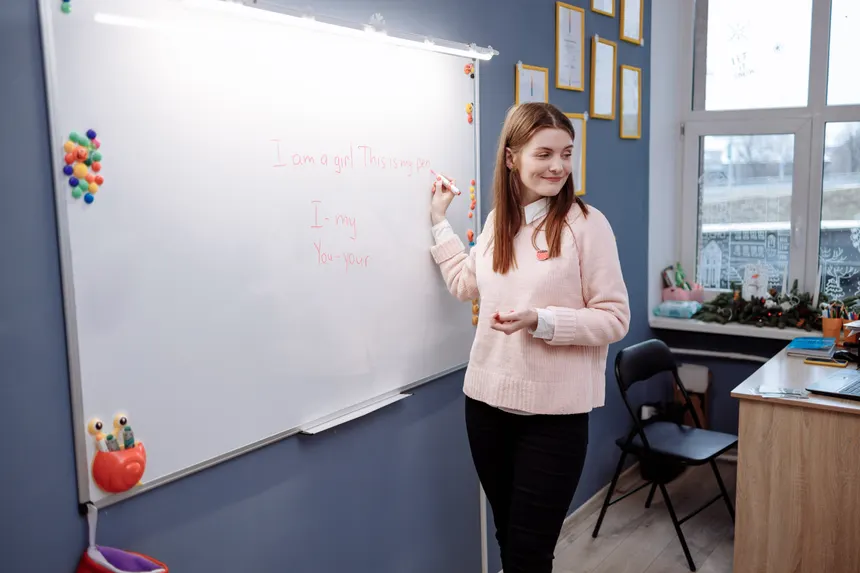
Understanding TEFL Course Types and Accreditation Standards
Back in 2005 when I started teaching in Barcelona, I thought - rather naively, I must admit - that any old TEFL course would do the job. That idea lasted right up until I got turned away from a respected language school because my certificate wasn’t properly accredited. Bit of a reality check, I’ll tell you. It turns out, not all courses are created equal. You’ll probably see all sorts of TEFL, TESOL, and CELTA courses on offer. So, what’s the deal? Here’s the basic outline:- Short TEFL/TESOL certificates (40-60 hours): If you just want a taste, or maybe hope to volunteer, these can work. But they almost never open the door to paid positions.
- 120-hour TEFL certificate: This is the standard ticket for most entry-level teaching jobs around the world. Employers nearly always want to see at least this much.
- Advanced TEFL (180-300+ hours): You get extra modules - business English, young learners, exam prep and so on. Great if you're looking to get a bit more specialist.
- CELTA/Trinity CertTESOL: These have a big reputation, especially in the UK and across Europe. They’re pricier and more full-on, and normally run in person.
- Search for courses regulated by Ofqual, or with names like TQUK or Qualifi attached.
- Double-check if the course is accepted by the British Council for summer teaching gigs.
- Be wary of “bargains” from totally unknown providers. If you’re even a bit unsure, ask for evidence of accreditation, or drop us a message at the UK TEFL Institute.
Comparing TEFL Course Formats and Duration
Choosing between in-person, online, or blended courses isn’t just about what fits your schedule - it actually shapes how you learn and the experiences you get. One weekend, I ran an in-person workshop in Birmingham, and the atmosphere buzzed. Trainees could try things, slip up a bit, have a laugh, and really learn together. Then again, last year I helped a student based out in Cumbria who needed total flexibility. She did brilliantly on an online course, fitting everything around her work and family. Totally different situations, but both worked for the person. So, what'll work for you? Here’s a quick side-by-side:| Format | Features | Best For |
|---|---|---|
| In-person | Face-to-face workshops, peer interaction, immediate feedback, real classroom practice | Those who value hands-on learning and networking |
| Online | Flexible schedule, self-paced modules, often lower cost, may lack practical teaching | Busy professionals, those outside major cities, people confident with independent study |
| Blended | Combination of online theory and in-person teaching practice | Anyone wanting flexibility with some practical experience |
- Short courses (60-100 hours): Good as a starter, but not enough for most real jobs
- Standard (120 hours): The usual minimum for teaching online or abroad
- Advanced (180-300+ hours): For anyone wanting to specialise or really stand out in the crowd
Essential Features to Look for in a Quality TEFL Course
Let’s be real: not every TEFL course is worth your hard-earned cash or your time. After assessing loads of courses over the years, I can say the right structure has a huge impact on your skills and confidence. If you’re aiming to actually enjoy teaching - and do it well - look out for these:- Accredited curriculum: Like I mentioned before, make sure it’s externally moderated and recognised in the UK.
- Experienced tutors: You’ll want support from people who’ve actually taught abroad, not just read it in theory.
- Real teaching practice: No getting around this if you want the better jobs. Go for courses with marked teaching practice or at least observed lessons.
- Interactive content: Videos, quizzes, and forums make things stick far more than just reading PDFs.
- Up-to-date methodology: English teaching has come a long way since chalkboards and textbooks. Your course needs to be current, especially with online and blended learning now so big.
- Job support: Guidance on CVs, interviews, even introductions to schools - it all helps more than you might think.

Budgeting and Planning: Balancing Cost with Value in TEFL Courses
Let’s be honest - budgets matter. I’ve done the same as you, wondering if I should spend big on a premium course or hunt for a great deal. But, and this is important, the cheapest choice can sometimes end up costing you more in the long run. Back when I was teaching in Warsaw, I met teachers who’d picked up “express” certificates for under £100. The bad news? Employers wouldn’t even look at them. So, how do you get the balance right? Look at what’s included, not just the price on the site.- Is the accreditation genuine and included up front?
- How much actual tutor support will you get?
- Does it include real teaching practice with feedback?
- Are there job support services or a network of past graduates?
- If life gets in the way, can you get a refund or defer?
- Compare what the course actually covers, not just the hours on the certificate
- Ask if there are “hidden” charges for certificates or assessments
- Check how much time you get to finish - extensions sometimes cost more
- Look up honest reviews from real students (not just shiny testimonials on the main page!)
- If you’re unsure, get in touch - we’ll give you honest advice, no pressure
Expert Advice: What TEFL Employers Look for in New Teachers
I’ll be blunt here: most employers get more applications than they can handle. So how do you actually stand out? I’ve helped pick new teachers for language schools in London, Valencia, and even Bangkok, and the same things always matter most.And did you know? According to the British Council, 85% of respected language schools in the UK want at least a 120-hour accredited TEFL certificate for summer jobs. For longer-term contracts, around 60% also want to see proof that you’ve done assessed teaching practice or have specialist training."We look for teachers with a solid, accredited TEFL certificate, but attitude and practical skills matter just as much as paper qualifications. The best candidates show they can adapt, plan lessons, and genuinely connect with learners."
- Claire Evans, Director of Studies, Oxford Language School
- Accreditation - always double-check a provider’s credentials
- Teaching practice - even if it’s online, it’s still a plus
- Adaptability - show you can jump between in-person and online classes
- Professionalism - things like clear emails and a well-organised CV go a long way
- Continuous development - employers like to see you’re keen to keep learning
"A TEFL certificate is just the start. We value candidates who show they’re reflective practitioners - that means learning from feedback and constantly updating their skills."
- Mark Tan, Recruitment Manager, London English Academy
Real Stories: Graduates Share Their TEFL Course Experiences
Honestly, there’s nothing better than hearing from people who’ve already taken the plunge. Over the past year, I’ve kept in touch with dozens of recent graduates, and their experiences are as unique as their destinations. Just last autumn, I had a lovely catch-up with Jess, who managed to complete our 300-hour course while working part time in Edinburgh. She’s now teaching online for a school in Madrid, and she reckons the specialist modules really helped her stand out (and land the job).Here’s what graduates say they valued most:"My course tutor was always available for feedback and advice. The practical teaching module really boosted my confidence before I taught my first real class."
- Jess, UK TEFL Institute Graduate
- “Flexible study - I could fit modules around my shift work.”
- “The support from tutors was amazing, especially when I got stuck on lesson planning.”
- “Being able to practise teaching with real students gave me the confidence to apply for my first job in Poland.”
- “The job support helped me polish my CV and find my first online students.”
- “I appreciated the updated materials, especially for teaching online.”
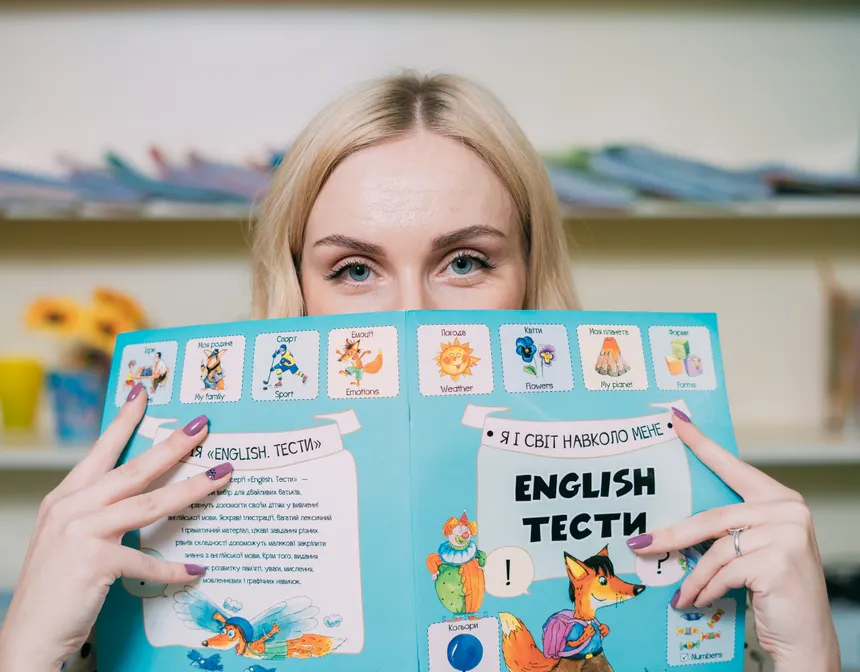
Start Your TEFL Journey: Steps to Enrol in the Ideal Course
If you’re reading this, I’d say you’re genuinely serious about teaching English - and that's brilliant to see. So, what should you do now? Here’s the way forward:- Get clear on your teaching ambitions and where you’d like to go
- Look into properly accredited courses that fit what you want (honestly, never hesitate to ask questions!)
- Compare formats, how long each course takes, and exactly what you get
- Make sure there’s real tutor support, practical experience, and job guidance
- Check the pricing, any payment plans, and what extras are thrown in
- Read honest reviews and real graduate stories before you decide
- Have a chat with the course provider’s advisors - a good team will be keen to help, not pressure you
- Once enrolled, set up a study schedule that gives you proper time to reflect (and to practise!)
Dr. Mitchell brings over 18 years of experience in English language education. Having taught across Europe and Asia, she leads our curriculum development with a focus on practical, classroom-ready methodologies grounded in British educational tradition.