

Understanding Your TEFL Career Goals Before Enrolling
Before you even start flicking through those shiny brochures or hunting for the cheapest course, just pause for a moment and really think: what do you actually want from your TEFL qualification? Honestly, I’ve watched so many people jump at the first course they spot - maybe it looks fancy, maybe it’s a bargain - and halfway through, that’s when they realise it’s not really going to get them where they’d hoped. So, give yourself a chance. Grab a bit of paper (yes, I know, old school - but trust me, it helps) and jot down some proper questions. It might feel a bit much now, but you’ll honestly thank yourself down the line. Here’s what I recommend you ask:- Where do you want to teach? (Europe, Asia, South America, online, or maybe right here in the UK?)
- Are you after business English, working with young learners, helping with exam prep, or just general English?
- How soon do you want to get started - and do you need guaranteed work or help finding a job?
- Is this a year out for fun, the start of a long-term journey, or just a side gig?
- Do you want to study fast and full-on, or would you rather fit your TEFL in around your job and family?
- Are you after a qualification that’s recognised by certain employers or in particular countries?
Key Features to Look for in a Quality TEFL Course
You’ve sorted your goals. Now, how can you tell if a TEFL course is actually worth your time, or just looks good on paper? There are a few things you really shouldn’t compromise on, no matter your teaching destination.- Proper accreditation by organisations people actually trust (don’t worry, we’ll talk more about this soon)
- Course length: honestly, anything under 120 hours isn’t going to cut it
- Real, experienced tutors who give you feedback that’s useful - not just random computer-graded quizzes
- A chance to actually practise teaching (even if it’s role-play and not real students)
- Covering all the essentials: grammar, planning lessons, classroom management, and practical teaching skills
- Help finding a job or at least some kind of placement support
- British English focus (especially important if you’ve got your eye on Europe or the Commonwealth)
Comparing Online, Blended, and In-Person TEFL Course Options
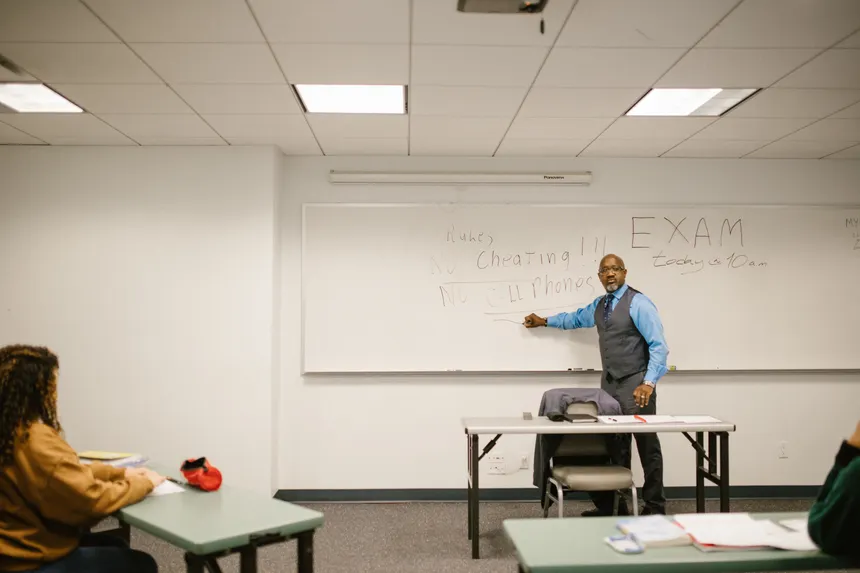
Let’s be real - not all TEFL courses are equal, and neither are the ways you can actually study. Some people love the freedom of online learning, while others honestly need the structure (and, yes, the gentle peer pressure) of an in-person classroom. I’ve seen both approaches work brilliantly. The trick is to know what actually helps you succeed. Here’s a quick comparison of the main formats:| Course Format | Pros | Cons |
|---|---|---|
| 100% Online |
|
|
| Blended (Online + In-Person) |
|
|
| In-Person/Intensive |
|
|
How Accreditation Impacts Your TEFL Certification Value
If you only remember one thing, let it be this: accreditation is genuinely crucial. Employers - especially places like Europe and the Middle East - really do check. That “certificate” from a non-accredited course? It could mean you’re basically stuck before you even get started. So what should you be looking for? In the UK, proper accrediting bodies include Ofqual, Qualifi, and the British Council (for CELTA). Make sure you see those logos or clear statements about official recognition. But never just take a provider’s word for it. Double-check the accreditor’s register, and make sure it’s the actual course, not just the website or company, that’s on the list. If you’re not sure, ask them for something in writing. I remember once in Bangkok I came across a course claiming “international accreditation” - well, actually, when I looked it up, the so-called accreditor didn’t even exist. The certificate was, frankly, worthless."A TEFL qualification is only as good as the standards behind it. International employers increasingly scrutinise certificates for proof of rigorous assessment and real tutor involvement."
- Dr. Sarah Mitchell, UK TEFL Institute

Specialist TEFL Courses for Niche Teaching Opportunities
Not every TEFL teacher wants exactly the same thing. Some dream of coaching business execs in a glass tower in London. Others love the idea of helping tiny children say their first English words. This is where specialist TEFL courses come into their own. From what I’ve seen, having an extra qualification in a specialist area really can open some surprising doors - and sometimes, it comes with a higher pay rate, too. Here are some of the most popular specialisms:- Business English
- Young Learners (ages 3-12)
- Exam Preparation (IELTS, Cambridge, TOEFL, etc.)
- Teaching English Online
- ESP (English for Specific Purposes - things like law, medicine, aviation)
One of my friends, Tom, made the switch to exam prep after teaching general English in Barcelona for three years. Suddenly, parents were queueing up for his Cambridge coaching. He grew his client list overnight and, to be fair, he never went back. Most specialist modules can be added onto your main TEFL course or picked up as standalones later. Check out our courses for ideas. If you’re already leaning towards a particular niche, get started sooner rather than later - extra skills pay off, honestly."Specialised TEFL training signals to employers that you’re serious about their students’ unique needs. It’s what sets you apart from the crowd."
- Michael Rowe, Senior Recruiter, Global English Schools
Budgeting for Your TEFL Course Without Compromising Quality
Let’s get down to it. TEFL courses are priced all over the place. You’ve got ultra-cheap “weekend” courses and super-premium options running into the thousands. And sure, it’s tempting to go for the cheapest option - I get it. But usually, if you scrimp too much, you’ll end up paying again anyway. Here’s my advice on how to strike a balance and avoid the classic pitfalls:- Decide your dealbreakers: 120 hours, real-life tutor guidance, and proper accreditation
- Look at exactly what’s included (teaching practice? job support? are materials or exam fees covered?)
- Ask if they offer payment plans or ways to spread the cost - decent providers, like UK TEFL Institute, usually do
- Search for scholarships or early bird deals
- Watch out for sneaky extras: travel, paperwork, certificates, that sort of thing
- Remember you may want to keep learning (specialist add-ons or refreshers later)
Expert Insights on TEFL Course Selection Trends and Graduate Success
So what actually leads to success? Which TEFL courses are actually creating confident teachers who get jobs quickly and actually stay happy in them? At UK TEFL Institute, we keep a close eye on this, and so do a lot of the recruiters I know. Here’s what we see (okay, it’s not all about numbers, but these are quite telling):- People who finish accredited courses (with at least 120 hours and tutor feedback) are 30% more likely to get placed in jobs than those with “express” or unaccredited certificates.
- Adding a specialist module (like Young Learners) can boost your job chances by 50% or more in some areas, especially in Asia and the Middle East. Surprising, but true.
- Courses that involve some kind of live or in-person teaching practice always get higher satisfaction ratings from both students and their new bosses.
One of my recent graduates, Emily, finished a 140-hour blended course focused on online teaching. She packed up for Chiang Mai and landed a remote job with a global language company in less than a month. She credits the live teaching practice and feedback for her first-day confidence: “It made all the difference when I was nervous in my first real lesson.” Across the industry, the pattern is obvious. Employers want evidence you’re classroom-ready, not just waving a certificate. The TEFL market’s getting more competitive, but it’s growing, too - especially for teachers with specialist skills. The more you can show you’ve got practical experience and a willingness to keep learning, the better your prospects look."Our most successful hires consistently come from programmes with strong tutor engagement and practical teaching experience. It’s less about the brand, more about the depth of preparation."
- Anna Davies, Academic Director, English First Europe
Start Your TEFL Journey with Confidence and Make the Right Choice
Choosing a TEFL course isn’t about going for what looks flashiest or costs the most. It’s about knowing yourself, choosing the format that suits you, making sure it’s properly accredited, and being honest about your budget. The fact you’re reading this means you’re already taking it seriously - you’re asking questions, reflecting, and making a plan. There’s no magical “best” TEFL course. Only the best one for you. Maybe you want to teach business people in Berlin, young kids in Vietnam, or students online from your kitchen table. It all starts with a course that actually gets you ready to teach.Dr. Mitchell brings over 18 years of experience in English language education. Having taught across Europe and Asia, she leads our curriculum development with a focus on practical, classroom-ready methodologies grounded in British educational tradition.