
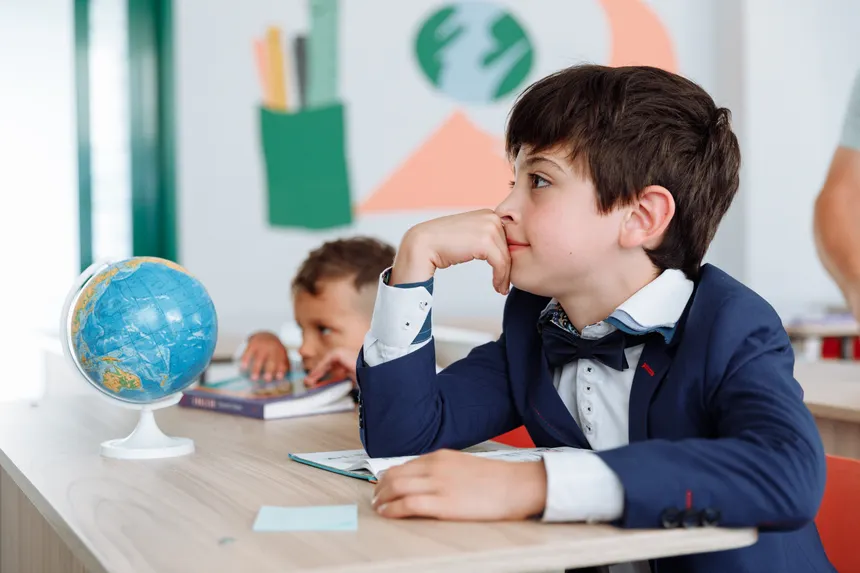
Why Games Are Essential for Young ESL Learners
If you've ever found yourself trying to coax a group of six-year-olds in Valencia to repeat “I have a blue pen” for what feels like the hundredth time, you’ll get this: kids need more than just endless repetition to stay on track. Honestly, that's where games completely change the game. When children are having fun, learning stops feeling like a task. Suddenly, practising English is something they actually get excited about. Games are way more than just a gap-filler or a distraction between lessons. Actually, they’re kind of vital for language learning, especially with young ESL students. Let me break down why:- Motivation: Games plug right into kids’ natural urge to play. So they’re much more likely to use new words and grammar if it feels like a game, not homework.
- Retention: When kids enjoy themselves, what they learn sticks around for ages. I still meet ex-students in Seoul who shout “Simon says, touch your nose!” across the street. True story.
- Social skills: Playing together naturally builds teamwork, turn-taking, and kind competition. Super useful, especially when everyone comes from different backgrounds.
- Risk-taking: If mistakes are part of the fun, kids don’t stress about getting things wrong. They just try. The lower anxiety is huge for speaking up.
- Physical engagement: Plenty of games get kids moving. Perfect for those who learn best when they’re active.

Top 5 Interactive Classroom Games for Young English Learners
I’ve seen, more than once, how the right game can flip a rainy morning in Busan from sulking and fidgeting to a bunch of giggling, focused learners. Here are my top five classroom games for 4- to 12-year-olds that really get results (and laughs):- Simon Says: A classic, and honestly, it never gets old. Super for practising basic instructions, body parts, or classroom objects. “Simon says, touch your nose!” Works every time.
- Flashcard Grab: Scatter flashcards on the floor. Call out the word - whoever snatches it first keeps it. Expect it to get noisy. It’s brilliant for reviewing vocab.
- Hot Potato: Kids pass around a soft ball while music plays. When the music stops, whoever’s holding it answers a question or names something in English. The suspense is hilarious.
- Memory Pairs: Lay cards face down. Each child flips over two, looking for a match (like “apple-apple” or word-picture). Great for memory and focus.
- Whisper Chain (Chinese Whispers): Line the class up. Whisper a sentence from one end to the other; the last child says it out loud. The results are usually hilarious, and it’s sneaky good for pronunciation and listening.
And what if you’ve got a big mix of ages or levels? Don’t panic - keep reading! There’s loads you can do to adapt these games so everyone is included."Games are the backbone of my young learner classes. When children are moving and laughing, they’re not just picking up English - they’re building confidence."
- Sarah McManus, Young Learner Specialist, UK TEFL Institute
Comparing Online and In-Person Activities for Young Learners
A lot of us are teaching online these days, and, to be fair, it isn’t always smooth sailing. I once tried “Simon Says” over Zoom with seven-year-olds in Madrid - let’s just say, it got a bit wild! But you know what? Both online and in-person have their own strengths (and quirks), and picking the right game can make a massive difference. Here’s a quick look at both:| Setting | Benefits | Challenges |
|---|---|---|
| Online |
|
|
| In-Person |
|
|
Creative Activity Ideas to Build Vocabulary and Speaking Skills
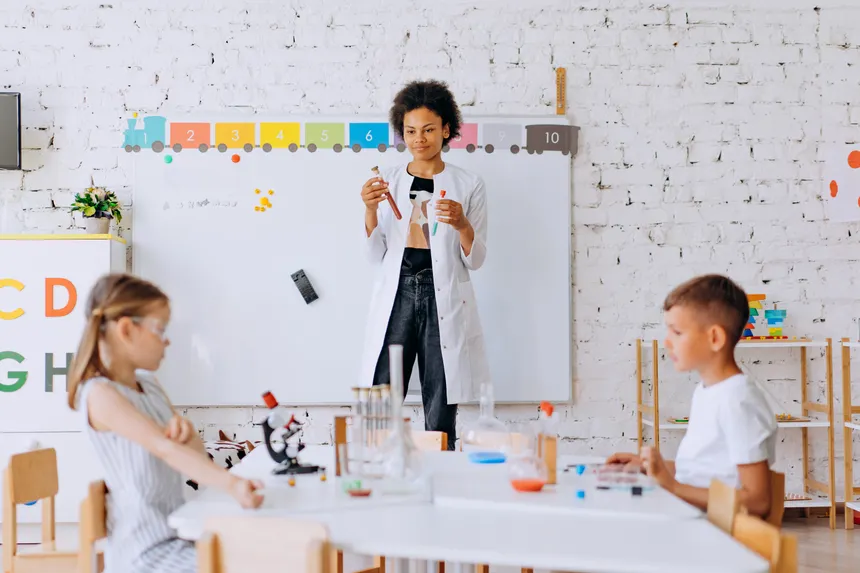
Nothing beats watching a usually quiet child suddenly blurt out “crocodile!” because they’re so keen to win a game. Growing vocab and speaking confidence doesn’t have to be about dry word lists and drills. Far from it. Here are a few of my favourite activities that really get kids talking:- Picture Bingo: Make bingo cards with pictures (animals, foods, classroom things). Call out the word; if they’ve got it, they cover it. Super for listening skills and quick thinking.
- Show and Tell: Kids bring a fave thing (or just draw it) and describe it in English. Even a simple “This is my red car” is a big deal for confidence.
- Story Cubes: Give them dice with pictures on. They roll and spin a sentence - or a whole silly story - based on what comes up. Amazing for creative chat.
- Role Play Corners: Set up mini cafes, shops, or doctors. Kids act out being the boss or the customer, using stuff like “Can I have…?” or “How much is…?” (And let’s be real - they love playing shop.)
- Word Hunt: Hide word cards around the classroom. Kids search and grab, but have to say the word out loud to keep it.
"Children need lots of opportunities to speak up - not just repeat after the teacher. The more creative and varied your activities, the more natural their English will become."
- Dr. Michael Tait, Applied Linguistics Lecturer
Adapting Games for Mixed-Ability ESL Classrooms
Mixed-ability classes can feel like a real challenge. I’ve taught classes in Madrid where one child could almost talk like a native and another barely managed “hi”. But a bit of creative thinking goes a long way to making sure everyone gets involved and feels successful. Here are some tactics that, honestly, have rescued many of my lessons:- Tiered tasks: Give different levels in one game. In “Memory Pairs”, confident students can match word and definition, while beginners just match the picture and word.
- Flexible grouping: Mix up pairs or teams so strong kids help beginners. And switch it round often so nobody is always “the helper”.
- Open-ended questions: In speaking games, let kids give answers at their own pace. “What did you do this weekend?” could be anything from “play football” to “I went to the park with my grandma and fed the ducks”. Both are good.
- Visual and audio support: Use pictures, gestures, and modelling so no one gets left behind - not just the ones who already know everything.
- Success for all: Celebrate all progress. One new word is worth cheering as much as a long sentence. Kids notice.
If you want more ways to adapt for mixed levels, the team at UK TEFL Institute are always ready to share advice or resources."Adaptation is the key. The same game can stretch advanced learners and support beginners if you tweak your instructions and materials."
- Emma Chen, International Placement Coordinator, UK TEFL Institute
Expert Insights: The Science Behind Play-Based English Teaching
Play isn’t just something extra - it’s at the heart of how kids learn, especially languages. Studies back this up: kids who get to learn through games not only pick up words faster, but become better at solving problems, making friends, and even remembering stuff long-term. There was a Cambridge University study that showed young learners kept 60 percent more new words after two weeks of structured play, compared to just using old-school drills. That’s a massive difference. Why does it work? Well, actually, play lights up multiple parts of the brain at once: language, physical movement, social feelings. When children are moving and engaging for real, those new words just stick.I saw it first-hand too. In one school in Guangzhou, even the quietest kids would pipe up if the lesson was a story game or role play. The energy in the classroom was contagious. And, to be honest, their spoken English came along much faster than with the worksheet-heavy approach."When teachers embrace play as a core part of language lessons, they’re tapping into how children naturally learn. The results speak for themselves - higher engagement, improved retention, and happier classrooms."
- Anna Taylor, TEFL Research Lead
| Approach | Vocabulary Retention Rate | Observed Participation |
|---|---|---|
| Traditional Drills | 40% | Low to Moderate |
| Play-Based Games | 60% | High |
Managing Behaviour and Maximising Participation During Activities
Let’s be real - even the most exciting game can turn into a free-for-all if you don’t put some boundaries in place. I remember running “hot potato” in Barcelona once - my beanbag potato got stuck on top of a locker and the whole class was howling. Lesson learned. Managing behaviour during activities is honestly half the job. Here’s what I’ve found works best:- Establish clear rules: Explain and show what’s okay before each game. If someone breaks the rules, keep consequences light but always follow through.
- Reward positive behaviour: Stickers, points, a “star of the day” - these things matter to kids. Reward teamwork, not just winning.
- Keep groups small: Smaller groups make it easier to keep things calm. Change up teams often so everyone gets a go with different classmates.
- Monitor closely: Don’t just stand at the front - walk around while they play. It helps keep them focused (and you’ll catch problems early).
- Involve everyone: Set up games so nobody gets left out or forgotten. Use random name pickers, or pass an object to pick who’s next.
And if a game does fall apart, don’t sweat it. Just pause, go over the rules again, and try once more. Sometimes all it takes is a quick reset to bring everyone (yourself included) back on track."Games can harness children's energy and excitement, but only with clear structure and expectations. Preparation and consistency are your best friends."
- Lisa Patel, Classroom Management Trainer
Start Transforming Your Young Learners Classroom With Engaging Activities
Time and again, I’ve seen what happens when teachers set aside the workbook and go all-in on playful, active learning. Kids not only become more confident and curious, but their English genuinely improves. Sometimes in ways you wouldn’t expect. If you want to make a change, just choose one new game or activity from above and give it a go this week. See what happens. I bet you’ll notice more focus - even from the ones who usually zone out. If you want a bit more help, you could try:- Joining a TEFL course designed for young learners (you’ll find options on our courses page)
- Checking out our resource library for printable games, flashcards, and lesson plans
- Swapping stories and tips with fellow teachers in our online community
- Upgrading with one of our course packages that come with extra classroom management training
Emma specialises in helping TEFL graduates find rewarding teaching positions worldwide. With a network spanning 40+ countries and personal teaching experience in China, South Korea, and Spain, she provides invaluable guidance for career starters.