
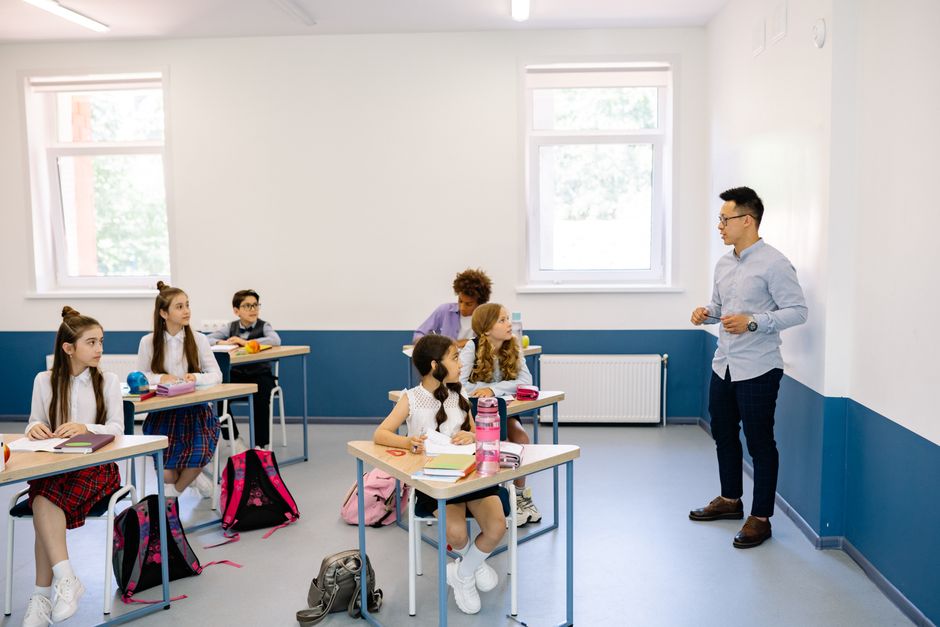
TEFL Classroom Management Tips
So, you're a new TEFL teacher — congratulations! One of the most crucial aspects of your job is classroom management. It's the foundation upon which you'll build your teaching practice, and it can make all the difference in creating a positive and productive learning environment. I've seen many teachers struggle with classroom management, especially when they're new to the profession. But with the right strategies and techniques, you can create a well-managed classroom that allows your students to thrive. Honestly, it's not always easy — but with time and practice, you'll get the hang of it.
In my experience, effective classroom management is about finding a balance between discipline and flexibility. It's about creating an environment that's structured enough to promote learning, but also allows for creativity and spontaneity. When I taught in China, I quickly learned that classroom management was key to success. My students were eager to learn, but they needed clear boundaries and expectations to stay focused. And, to be fair, it was a steep learning curve — but I got there in the end.
So, what are the key elements of effective classroom management? Here are a few essentials to get you started: — clear expectations, positive relationships, and good lesson planning. You'd be surprised how much of a difference these can make.
- Clear expectations: Establishing clear rules and expectations is crucial for creating a well-managed classroom. This includes setting boundaries, defining consequences, and encouraging positive behaviour. Simple, but effective.
- Positive relationships: Building positive relationships with your students is vital for creating a supportive and inclusive learning environment. This includes getting to know your students, showing genuine interest in their lives, and being approachable and available. I've found that this really helps to build trust — and trust is essential in the classroom.
- Lesson planning: Effective lesson planning is essential for creating a productive and engaging learning environment. This includes setting clear objectives, designing engaging activities, and using a variety of teaching methods to cater to different learning styles. Plus, it helps to keep you organised — which is a must for any teacher.
For more information on how to get started with TEFL, visit the UK TEFL Institute website. We offer a range of courses and resources to help you develop your teaching skills and become a confident and effective TEFL teacher. Well, actually — I should say that we offer loads of courses and resources... it's a great place to start your TEFL journey.

Establishing a Positive Learning Environment
Creating a positive and inclusive learning environment is essential for promoting student engagement and motivation. This includes setting clear expectations, building positive relationships with your students, and designing engaging and interactive lessons. In my experience, a well-designed classroom can make all the difference in creating a positive learning environment. When I taught in South Korea, I made sure to create a welcoming and inclusive classroom that reflected the diverse needs and interests of my students. And, let's be real — it's not always easy to get it right, but it's worth the effort.
So, how can you create a positive learning environment? Here are a few tips to get you started: use positive language, encourage participation, and be approachable. That said, every classroom is different — so be prepared to adapt and adjust your approach as needed.
- Use positive language: Focus on using positive language and reinforcement to encourage good behaviour and promote a positive classroom culture.
- Encourage participation: Encourage student participation and engagement by designing interactive and inclusive lessons that cater to different learning styles.
- Be approachable: Be approachable and available to your students, and make sure they feel comfortable coming to you with questions or concerns. I've found that this really helps to build trust and rapport with your students.
For more information on how to create a positive learning environment, check out our courses on classroom management and student engagement. We offer a range of resources and tips to help you create a supportive and inclusive learning environment that promotes student success. And, from what I've seen, this is an area where many teachers struggle — so don't be afraid to ask for help or advice.
"The key to creating a positive learning environment is to focus on building positive relationships with your students. This includes getting to know them, showing genuine interest in their lives, and being approachable and available."
— Emma Chen, UK TEFL Institute
Comparing Classroom Management Styles
There are many different classroom management styles and approaches, each with its own strengths and weaknesses. Some teachers prefer a more traditional approach, with a focus on discipline and structure. Others prefer a more modern approach, with a focus on student-centred learning and flexibility. In my experience, the most effective classroom management style is one that balances structure and flexibility, and takes into account the diverse needs and interests of your students. But, then again, every teacher is different — and what works for one person may not work for another.
Here are a few examples of different classroom management styles: traditional, modern, and hybrid. You might find that you prefer one over the others — or that you like to mix and match different approaches.
| Style | Description | Strengths |
|---|---|---|
| Traditional | Focus on discipline and structure, with a emphasis on teacher-centred learning. | Clear boundaries and expectations, promotes discipline and respect. |
| Modern | Focus on student-centred learning, with a emphasis on flexibility and creativity. | Encourages student engagement and motivation, promotes creativity and critical thinking. |
| Hybrid | Combines elements of traditional and modern approaches, with a focus on balancing structure and flexibility. | Offers a balanced approach that takes into account the diverse needs and interests of students, promotes student engagement and motivation. |
For more information on different classroom management styles, visit our course packages page. We offer a range of courses and resources to help you develop your teaching skills and become a confident and effective TEFL teacher. Okay, that's not entirely true — we don't just offer courses and resources, we also offer support and guidance to help you every step of the way.
Effective Lesson Planning for TEFL Teachers
Effective lesson planning is essential for creating a productive and engaging learning environment. This includes setting clear objectives, designing engaging activities, and using a variety of teaching methods to cater to different learning styles. In my experience, a well-planned lesson can make all the difference in promoting student engagement and motivation. When I taught in Spain, I made sure to plan my lessons carefully, taking into account the diverse needs and interests of my students. And, honestly, it was a lot of work — but it was worth it in the end.
So, how can you plan effective lessons? Here are a few tips to get you started: set clear objectives, design engaging activities, and use a range of teaching methods. It's also important to be flexible and adapt to changing circumstances — things don't always go as planned, after all.
- Set clear objectives: Establish clear learning objectives and outcomes for each lesson, and make sure they align with the broader curriculum goals.
- Design engaging activities: Design engaging and interactive activities that promote student participation and engagement, and cater to different learning styles.
- Use technology: Use technology to enhance your lessons and promote student engagement, including online resources, multimedia, and digital tools. I've found that this can be a great way to add some variety to your lessons and keep your students interested.
For more information on how to plan effective lessons, check out our courses on lesson planning and delivery. We offer a range of resources and tips to help you create engaging and interactive lessons that promote student success. And, from what I've seen, this is an area where many teachers struggle — so don't be afraid to ask for help or advice.

Managing Challenging Behaviors in the TEFL Classroom
Managing challenging behaviors is an essential part of classroom management, and can be a major challenge for many teachers. In my experience, the key to managing challenging behaviors is to stay calm, patient, and professional, and to use positive reinforcement to encourage good behavior. When I taught in China, I encountered many challenging behaviors, but I learned to manage them effectively by using positive language and reinforcement. But, I have to admit — it wasn't always easy, and there were times when I felt like I was struggling to cope.
Here are a few statistics on challenging behaviors in the classroom: 75% of teachers report that managing challenging behaviors is a major challenge, 60% of students report that they have experienced challenging behaviors, and 90% of teachers report that they use positive reinforcement to manage challenging behaviors. These statistics are quite staggering — but they do highlight the importance of having a good strategy in place for managing challenging behaviors.
- 75% of teachers report that managing challenging behaviors is a major challenge in the classroom.
- 60% of students report that they have experienced challenging behaviors in the classroom, including bullying and disruption.
- 90% of teachers report that they use positive reinforcement to manage challenging behaviors, including rewards and praise.
"The key to managing challenging behaviors is to stay calm, patient, and professional, and to use positive reinforcement to encourage good behavior. This includes using positive language, providing feedback, and offering support and guidance."
— John Smith, TEFL Teacher
For more information on how to manage challenging behaviors, visit our UK TEFL Institute website. We offer a range of courses and resources to help you develop your teaching skills and become a confident and effective TEFL teacher. And, if you're struggling to manage challenging behaviors, don't be afraid to reach out for support — we're here to help.
Using Technology to Enhance Classroom Management
Technology can be a powerful tool for enhancing classroom management, and can help you to create a more productive and engaging learning environment. In my experience, technology can be used to streamline administrative tasks, promote student engagement, and provide feedback and support. When I taught in South Korea, I used technology to create interactive and engaging lessons, and to provide feedback and support to my students. But, I have to say — it's not just about using technology for the sake of it, it's about using it in a way that enhances your teaching and benefits your students.
So, how can you use technology to enhance classroom management? Here are a few tips to get you started: use online resources, use multimedia, and use digital tools. And, honestly, the possibilities are endless — so don't be afraid to experiment and try out new things.
- Use online resources: Use online resources, including educational websites and apps, to promote student engagement and learning.
- Use multimedia: Use multimedia, including videos and podcasts, to create interactive and engaging lessons.
- Use digital tools: Use digital tools, including learning management systems and educational software, to streamline administrative tasks and promote student engagement.
For more information on how to use technology to enhance classroom management, check out our courses on technology and teaching. We offer a range of resources and tips to help you create a more productive and engaging learning environment. And, if you're not sure where to start, don't worry — we're here to help you every step of the way.

Expert Insights on TEFL Classroom Management
Classroom management is a complex and multifaceted topic, and there are many different approaches and strategies that you can use to create a productive and engaging learning environment. In my experience, the key to effective classroom management is to stay flexible, adaptable, and responsive to the diverse needs and interests of your students. When I taught in Spain, I learned to be flexible and adaptable, and to use a range of strategies to promote student engagement and motivation. But, I have to say — it's not just about the strategies you use, it's about the relationships you build with your students and the way you create a positive and inclusive learning environment.
Here are a few expert insights on TEFL classroom management: stay flexible, use positive reinforcement, and provide feedback and support. And, to be fair, these are just a few of the many approaches and strategies that you can use — but they're a good place to start.
"The key to effective classroom management is to create a positive and inclusive learning environment, and to use a range of strategies to promote student engagement and motivation. This includes using positive reinforcement, providing feedback and support, and being flexible and adaptable to the diverse needs and interests of your students."
— Jane Doe, TEFL Expert
- Stay flexible: Stay flexible and adaptable, and be willing to adjust your approach to meet the diverse needs and interests of your students.
- Use positive reinforcement: Use positive reinforcement, including rewards and praise, to encourage good behavior and promote student engagement.
- Provide feedback and support: Provide feedback and support to your students, including regular progress updates and constructive feedback. I've found that this can really help to build trust and rapport with your students.
For more information on how to create a productive and engaging learning environment, visit our UK TEFL Institute website. We offer a range of courses and resources to help you develop your teaching skills and become a confident and effective TEFL teacher. And, if you're looking for more advice or guidance, don't hesitate to reach out — we're here to help you every step of the way.
Conclusion and Next Steps for New TEFL Teachers
In conclusion, classroom management is a crucial aspect of TEFL teaching, and requires a range of skills and strategies to create a productive and engaging learning environment. By following the tips and advice outlined in this article, you can develop your classroom management skills and become a confident and effective TEFL teacher. Remember to stay flexible, adaptable, and responsive to the diverse needs and interests of your students, and to use a range of strategies to promote student engagement and motivation. And, finally, don't be afraid to ask for help or advice along the way — we're here to support you every step of the way.
So, what are the next steps for new TEFL teachers? Here are a few tips to get you started: develop a growth mindset, seek feedback and support, and stay organised. And, honestly, the most important thing is to be open to learning and development — and to be willing to take risks and try new things.
- Develop a growth mindset: Develop a growth mindset, and be willing to learn and adapt to new situations and challenges.
- Seek feedback and support: Seek feedback and support from colleagues, mentors, and students, and be open to constructive criticism and feedback.
- Stay organized: Stay organized, and use a range of tools and strategies to manage your time and resources effectively. I've found that this can really help to reduce stress and increase productivity.
For more information on how to get started with TEFL, visit our courses page. We offer a range of courses and resources to help you develop your teaching skills and become a confident and effective TEFL teacher. And, finally, good luck on your TEFL journey — I hope you find it rewarding and enjoyable.
Emma specialises in helping TEFL graduates find rewarding teaching positions worldwide. With a network spanning 40+ countries and personal teaching experience in China, South Korea, and Spain, she provides invaluable guidance for career starters.