
Cultural Sensitivity Strategies for Success in the TEFL Classroom
Understanding Cultural Sensitivity in TEFL Settings
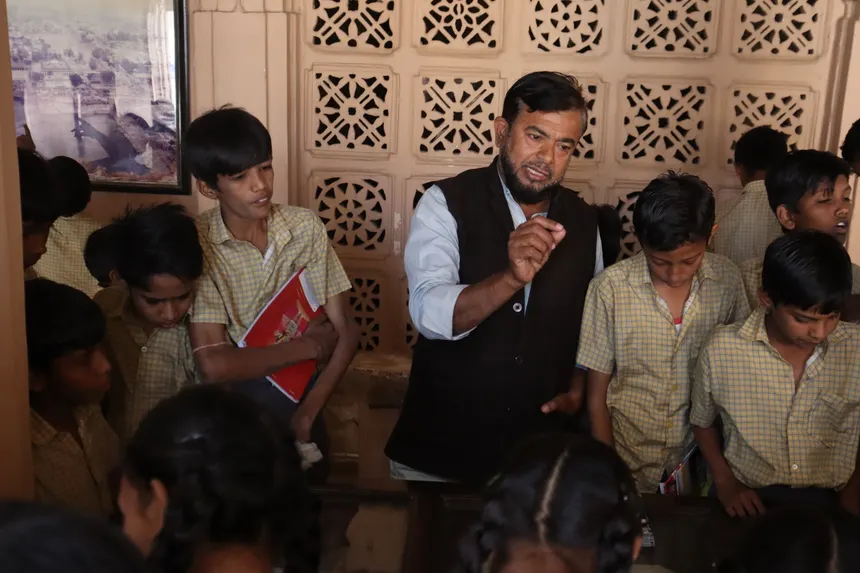
Cultural sensitivity in the TEFL classroom isn’t just some trendy term your trainers throw around or something you see scribbled in a manual. It really does sit at the heart of building a classroom where everyone - no matter where they're from - feels like they belong. When I first started teaching in Suzhou, China, it hit me quickly that what’s “normal” for me could be downright strange, or maybe even inappropriate, for my students. Even basic things, like making eye contact, sometimes carry totally different meanings. So, what does cultural sensitivity actually mean here? It’s about noticing, respecting, and valuing the cultural backgrounds, traditions, and beliefs your students bring into the room. And then making small changes to how you teach, the materials you choose, and the way you handle the class. That way, every learner gets a fair shot at doing well. Why does this matter? Because languages aren’t just words and grammar rules. Nope. They’re tied up with people’s family histories, how they see the world, social expectations, and all that. If we skip over that stuff, we’re in danger of making students feel left out or, honestly, just locking existing stereotypes in place.- Helps students feel confident and actually join in
- Cuts down on misunderstandings and arguments
- Builds real respect between teachers and students
- Makes lessons more interesting with different viewpoints
- Leads to better results for students
Common Cultural Challenges Faced by TEFL Teachers
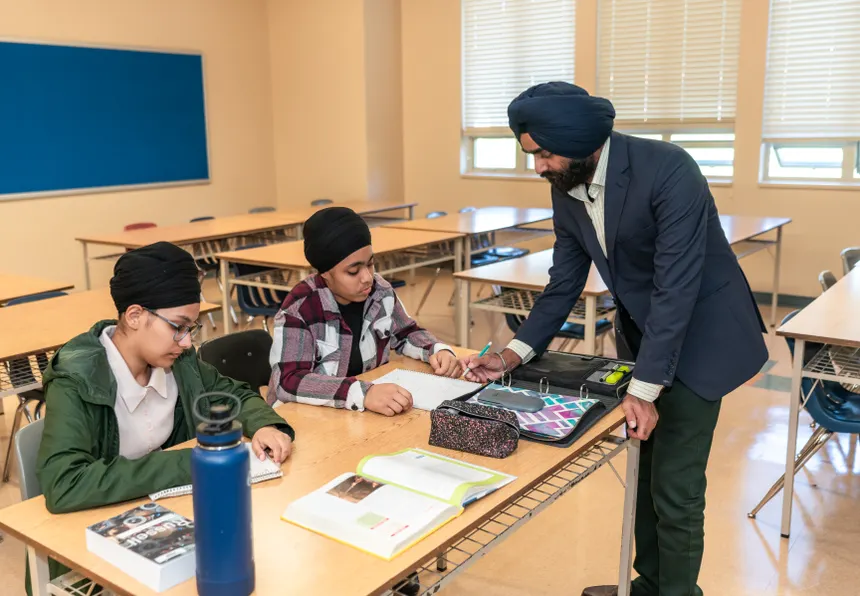
If you’ve taught abroad before, you already know - cultural clashes are bound to happen. Sometimes they’re tiny (like a funny moment about classroom rules), and sometimes - well, things get a little heated. Case in point: during my first week in Seoul, I marked homework with a bright red pen. A friendly colleague quietly explained that in Korea, red ink is actually linked to death. Bit of a shock for me. Here are some cultural bumps TEFL teachers run into a lot:- Confusion about classroom behaviour (for instance, being quiet as respect vs. speaking up to show you care)
- Different ideas about who’s in charge and how students should interact with the teacher
- Topics that might be “off limits” - things like religion, politics, or gender roles
- Communication styles: some students are super direct, others more reserved; even gestures or how close you stand can make a difference
- Expectations about homework, turning up on time, or working in groups
- Different learning styles, like memorising by heart or focusing on critical thinking
Comparing Approaches to Cultural Sensitivity in Different Countries
When it comes to cultural sensitivity, each place you teach is its own world. Even within a country, different cities or regions might have very different ideas about what’s okay in a classroom. When I look back on teaching grown-ups in Spain and then working with teenagers in China, the contrast was massive. In some places, the teacher is the ultimate authority - questioning them isn’t the norm. In others, you’re more of a guide, expected to spark debate and team work. Even how students address you can get tricky pretty fast. So how do different countries and school cultures actually approach this? Here’s a quick overview:| Country | Typical Classroom Culture | Approach to Cultural Sensitivity |
|---|---|---|
| China | Teacher-centred, respect for authority, minimal open debate | Teachers are expected to avoid controversial topics; indirect feedback is preferred |
| Spain | Student-centred, informal, high participation encouraged | Open discussion of cultural differences is welcomed; humour and personal stories common |
| South Korea | Formal, hierarchical, group harmony valued | Teachers focus on group cohesion; avoid public criticism and individual praise that singles out students |
| UK (ESOL) | Mixed, depends on institution; often multicultural | Explicit focus on inclusion and respect; diversity is celebrated in lesson content |

Practical Tips for Fostering Inclusivity in Your TEFL Classroom
You honestly don’t have to flip your whole teaching approach upside down to make your classroom more inclusive. Usually, it’s the little thoughtful things you do that end up meaning the most. For example, once I started greeting my students in their own languages - just a quick “Buenos días” or “Annyeonghaseyo” - I got so many surprised smiles. It’s a tiny step, but it opens doors. So, how do you build real inclusivity (not just ticking off the “diversity” box)? Here are a few things I’ve found work, both for me and loads of teachers I know.
Pro Tip: Stick a world map up in your classroom and let students mark where they're from. It’s a gentle, easy way to celebrate everyone’s background and get cultural conversations started.
- Have clear rules for respect and participation, and talk about them together as a class now and then
- Switch up groups often so students mix with classmates from other backgrounds
- Work global themes into your lessons (think: festivals, foods, traditions)
- Bring in visuals and real-life objects from different cultures
- Invite students to share things about their cultures if they want to - but never make it a requirement
- Remember religious and cultural dates when you’re scheduling tests or big activities
- Let students teach you (and each other) some words or simple phrases in their languages
Avoiding Stereotypes and Bias in Lesson Materials
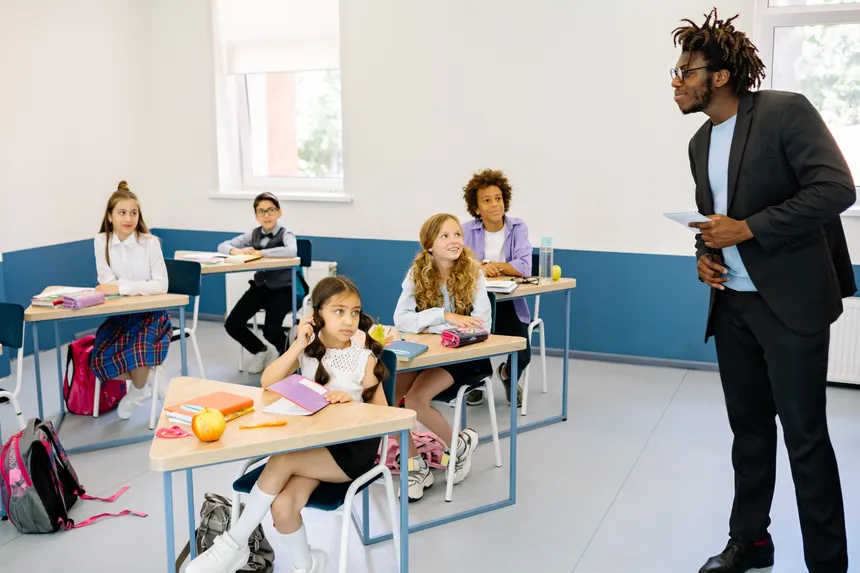
Let’s be real: even experienced teachers slip up sometimes and end up spreading stereotypes without meaning to. I caught myself once using a textbook photo that implied “British food” just means fish and chips - not exactly the whole story! The thing is, bias sneaks into lesson plans in sneaky ways. Everything from the names you use in role-plays to the families you show in simple reading activities. First step? Make a habit of actually checking your materials. Ask: Who’s shown in these examples? Who’s not? Does this task hint at just one “story” about a place, a gender, a culture?
Pro Tip: Textbooks can be pretty limited. Add your own stuff whenever you can - news clips, videos, and pictures that actually reflect the very real diversity in English-speaking countries today.
- Mix up the names and jobs in activities to show a wider range of people
- Use recordings with different English accents and styles in listening activities
- Highlight families, careers, and lifestyles from all over
- Skip idioms or jokes that only make sense in one culture
- Ask students to look for stereotypes in media they know. Turn it into a discussion or a critical thinking task
- Bring in “real stuff” - like menus, posters, or websites - from all sorts of cultures
Expert Insights: The Impact of Cultural Sensitivity on Student Engagement
There’s a ton of evidence (plus, let’s face it, what we see in the classroom) that culture-aware teaching isn’t just a bonus - it’s vital if you want students to really care and get involved. When students feel that you actually notice and value who they are, they’ll speak up more, try harder, and keep going when things get tricky. A friend of mine, Sarah, who teaches ESOL to adult refugees in London, nailed it when she told me:And here’s a stat that surprised me: The British Council asked students, and nearly 80% said they felt more motivated when teachers made the effort to learn about their culture. In classrooms where diversity is actually talked about, dropout rates fall sharply. And another take from an industry leader:"When we honour a student’s background, we send a message that their knowledge and experience matter. That’s when you see real confidence blossom - and learning accelerates."
- Sarah Goddard, ESOL Lead, London Adult Learning
Think about it - have you ever felt invisible in a group? Definitely not a feeling you want for your students. Sometimes, all it takes is one tweak in how you do things and suddenly, a student who used to freeze up is sharing their ideas."Cultural sensitivity is the bedrock of inclusive teaching. Not only does it foster student engagement, but it prepares learners for a truly global world."
- Dr. Rajiv Patel, Academic Director, UK TEFL Institute
Professional Development for Enhancing Cultural Awareness
Nobody starts teaching knowing everything - especially when it comes to understanding different cultures. I’ve taken plenty of webinars, in-person workshops, and (to be honest) a couple of snoozy online modules in my time. Still, every single one gave me at least one new idea or trick. There are loads of ways to keep growing your confidence here. The best teachers I know? They’re always picking up something new, reflecting, and adjusting their approach.- Choose a TEFL course that includes cultural awareness modules (like you’ll find in our courses)
- Sign up for ELT webinars or workshops based in the UK
- Join a teacher community or network where you can swap stories and advice
- Read, read, read - not just textbooks, but novels or articles from different cultures
- Ask your students for feedback, especially after you cover tricky topics
- Sit in on a colleague’s class, especially in a multicultural setting, and see what you can learn
If you’re thinking of boosting your CV, why not pick up a specialism in intercultural communication or inclusive education? It’s one of those skills that pays off in any classroom - and employers love to see it."Cultural awareness isn’t a destination, it’s a habit. The most effective teachers are those who approach every class with curiosity and humility."
- Helen Stewart, Teacher Trainer, UK TEFL Institute
Start Your Culturally Responsive TEFL Journey Today
You don’t have to figure all this out by yourself. Whether you’re totally new to teaching or you’ve been at it for ages, there’s always more you can learn about cultural sensitivity. The team at UK TEFL Institute is here to help you become that teacher who makes every student feel at home.
Pro Tip: Take a look at your favourite lesson plans first. Where could you bring in a fresh angle, or swap an example for something that fits your actual students better? It all starts with doing one small thing differently.
If you’re ready to build your skills, check out our courses or our course packages. You’ll find modules on everything from intercultural communication and inclusive teaching, to adapting materials for your unique groups - all with practical strategies that genuinely work.
What’s next for you? Maybe ask yourself: what’s one thing I could do this week to make my classroom a little more inclusive? Try it. You might be surprised by how your students react.
Cultural sensitivity isn’t just “nice to have,” it’s what turns a TEFL class from just a lesson into something meaningful. And honestly, for me, that’s what keeps me teaching year after year.
Emma Chen
International Placement Coordinator
Emma specialises in helping TEFL graduates find rewarding teaching positions worldwide. With a network spanning 40+ countries and personal teaching experience in China, South Korea, and Spain, she provides invaluable guidance for career starters.