

What to Expect in Your First Week as a TEFL Teacher Abroad
Preparing for Your First Day as a TEFL Teacher
Honestly, nothing really matches that jumble of nerves and excitement you get the night before your first ever class in a new country. I can still picture myself wandering around my little Madrid flat, checking (and re-checking) my bag, practising the words I’d use when all eyes turned to me. Prep matters. But what should you actually do before that first bell? Let’s focus on the basics. Here’s my go-to checklist for what to throw in your bag on day one:- Copies of your passport and visa (I’ve seen schools ask for these out of the blue)
- Your contract on paper, plus any super-important contacts
- A notebook to jot down what you notice and the names of staff (trust me, you’ll forget otherwise!)
- The essentials: a couple of pens, markers, sticky notes
- One of those USB sticks with a couple of emergency activities saved
- Sensible, comfy clothes that meet the local dress sense (sometimes a guessing game, so check first if you can)
- A bit of local cash for lunch, coffee, or a mini-crisis

Understanding Your Students and Classroom Dynamics
Here’s the thing: on your very first day, your classroom will teach you more than any methodology book possibly could. My first class in Bangkok springs to mind - thirty teenagers, each with their own level of English, and pretty much every one glued to their phone instead of listening to me. Welcome to the world of mixed abilities. Getting a quick read on your students’ level is crucial. Here are a few tried and tested activities:- Start by introducing yourself, then have each student do the same. You’ll hear straight away who’s confident and who’d rather hide!
- Hand out a short “getting to know you” survey - mix up open questions and yes/no ones
- Play a quick vocab or spelling game (word association is always a winner)
- Ask students to rate themselves from 1-10 in English and say why
- Learn students’ names quickly (even if you get them wrong at first - making the effort counts!)
- Take a genuine interest in who they are - ask about what they do outside class, their families, festivals, that sort of thing
- Set routines early. Students like knowing what to expect
- Change up groups often. Stops cliques and gives everyone a turn
Navigating School Culture and Local Expectations
Sometimes, settling into the school itself is as big a challenge as handling your first class. Every school does things their own way, and local culture plays a huge part in what your new colleagues expect from you. Don’t assume everything that worked on your CELTA or in your home country will fit right in. On my first week at a school in Prague, for example, I’d arrive early, set out my books... and get these confused looks from other teachers rolling in just before their lessons, coffees in hand. Turns out, punctuality there was more laid-back than what I was used to. Keep an eye out for things like:- Actual working hours and when (or if) you’re meant to plan lessons at school
- What the real dress code is (always best to ask instead of guessing)
- How discipline is handled - and what “late” really means
- Who you go to for resources or classroom help
- Is it all about teacher-talk, or do they love student-centred lessons?
- The staffroom - is tea up for grabs, or is there some complicated brewing schedule?
One last thing: make an effort to join in. Go to staff meetings, even if you feel totally clueless. Have lunch with everyone. Get involved in Friday drinks or whatever quirky tradition the team has. My fondest memories from Seoul are all about karaoke nights with colleagues who barely spoke English, but genuinely welcomed me in."The most successful new TEFL teachers are those who listen, observe, and ask questions early on. School culture is rarely written down - you learn it by watching and engaging."
- Dr. Alice Morgan, Head of Teacher Training, UK TEFL Institute
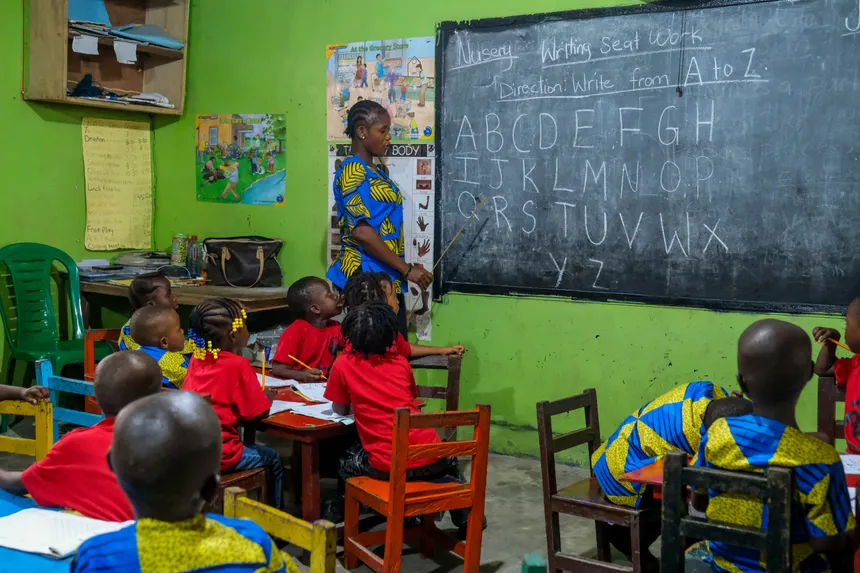
Comparing TEFL Experiences in Key Destinations
So what’s it really like to kick off your TEFL career in Spain, South Korea, or Brazil? The first week can feel totally different depending on where you land. Here are some quick comparisons, based on my own experience and what our graduates at UK TEFL Institute tell us year after year.| Country | Typical First Week Challenge | Unique Benefit |
|---|---|---|
| Spain | Relaxed approach to timetables; students often late | Friendly, social staff - easy to make friends fast |
| South Korea | Strict hierarchy; high expectations for discipline | Well-resourced classrooms; strong support for new teachers |
| Brazil | Large class sizes; noise and enthusiasm! | Warm, welcoming students and a vibrant school community |
| Vietnam | Mixed-level classes; frequent timetable changes | Students highly motivated to learn English for work and study |
| Saudi Arabia | Very formal environment; careful with gender interactions | Generous salaries and excellent housing support |
Practical Tips for Effective Lesson Planning
Planning out lessons in week one can really tie your brain in knots. Some new teachers go overboard and script every second. Others just wing it and hope for the best. Well, actually, most of us find that the sweet spot is somewhere in the middle. Start by chopping your lesson into clear bits: a warm-up, the main input, practice time, then a quick review. If things go off-piste, no big deal - you’ll always have a path back. And always, always bring two more activities than you think you’ll need. Lessons never move exactly how you expect.- Keep your instructions short, and show what to do instead of just saying it
- Mix up pair work, group tasks, and solo work to keep things fresh
- Pause regularly and check if students are on board (thumbs up, down, or even just asking works wonders)
- Always save a five-minute “filler” for when you finish too soon or tech lets you down
- Use real-world stuff - menus, tickets, maps - to bring the lesson to life

Common Challenges in Your First Week and How to Overcome Them
No matter how much you prep, that first week will spring a few surprises on you. Some problems come up everywhere. Here are the main ones I see again and again:- Figuring out what to do with big or mixed-level classes
- Students who won’t talk, or one or two who won’t stop talking
- Tech that won’t cooperate, or not enough materials
- Homesickness (totally normal!) and culture shock
- Not knowing if you’re doing well - not much feedback at first
Here’s what more experienced teachers do to get through:"Remember, it’s not failure if something doesn’t work the first time. Adapt, reflect, and try again - that’s what good teaching is about."
- Sarah Milner, Senior Tutor, UK TEFL Institute
- Sit in on other classes if you can - you’ll pick up handy local tricks
- Ask for informal feedback (honestly, people are usually glad to help)
- Join a WhatsApp group or an online teacher forum
- Keep a journal for what works, what doesn’t, and what made you laugh
- Celebrate small victories - maybe a new game worked, or a shy student smiled, or you just made it to Friday
Key Insights: What the TEFL Industry Says About Starting Strong
What do the numbers and experts tell us about those all-important first days? At UK TEFL Institute, we ask new teachers every year. There are definite patterns.- About 70% of new TEFL teachers say their first week is “overwhelming but exciting”
- Those who seek feedback and observe others settle in around twice as fast
- The biggest regret? Wishing they'd asked more questions or sought help earlier
From what we see in our alumni chats, having a mentor, or even just a friendly experienced teacher to grab a coffee with, makes a massive difference. If your school doesn’t offer this, just ask someone who looks like they know the ropes. And here’s an encouraging stat: 85% of those who’ve done a practical TEFL course - like ours - say they felt “well prepared” for handling a real classroom, even if they still had a few first-day butterflies. Good training really does pay off."Your first week sets the tone for your whole contract. Teachers who start with curiosity and flexibility adapt best, whatever the country or context."
- Mark Hall, Academic Director, UK TEFL Institute
Taking the Next Step Toward a Successful TEFL Career
Making it through your first week is no small thing. Feel proud of that. But let’s be real: it’s only the start. The best teachers I know keep developing, reflecting, and connecting - even years after they’ve got their first stamp in the passport. If you feel like you need more support, look into extra training. Loads of schools arrange workshops or peer observations. Or maybe it’s time to take on a bigger TEFL qualification, like a 180-hour course with a focus on young learners or teaching business English. Our course packages have plenty of options.So, stop and breathe. Trust what you’ve learned so far. And remember every teacher - whether they’re in Bangkok, Barcelona, or Birmingham - felt those first-week nerves too. You’re joining an international community now, and this is just the first step on a journey that could take you anywhere."Every great TEFL teacher was once a nervous beginner. Take every opportunity to learn, and remember: you’re making a difference, even when it doesn’t feel like it."
- James Thornton, Course Director, UK TEFL Institute
James has been involved in TEFL training for over 12 years. A Cambridge CELTA trainer and former British Council examiner, he ensures our courses meet the highest international standards while remaining accessible to aspiring teachers worldwide.