

Unlocking Global Opportunities: The Benefits of TEFL Certification in 2026
Why TEFL Certification is More Valuable Than Ever in 2026
Honestly, if you’d suggested to me ten years ago that teaching English would turn out to be such a tough, international, and portable job, I’d probably have laughed. But here we are, in 2026, and TEFL certification isn’t just something that looks good on a CV - it really does matter. Let’s be real: the world’s shifted a lot. People are travelling again, working online is standard, and there’s a real appetite for learning English everywhere from Seoul to São Paulo. Governments have got stricter, too. Schools want proof their teachers are qualified. I remember when I taught in Barcelona back in 2012, you could pretty much wing it if you had a degree and knew how to talk to people. But that’s changed. These days, my old mates in Spain tell me headteachers are asking for official certificates. And by the way, it’s not just the classic schools - online teaching platforms have jumped on this as well.- Loads of governments want TEFL certificates for work visas and teaching jobs
- Online schools and edtech companies mainly hire if you’ve got TEFL
- The better salaries and jobs always go to teachers with proper TEFL credentials
- Parents and students now expect teachers to have actual classroom training
- If you want to move up the career ladder, TEFL is often a must-have
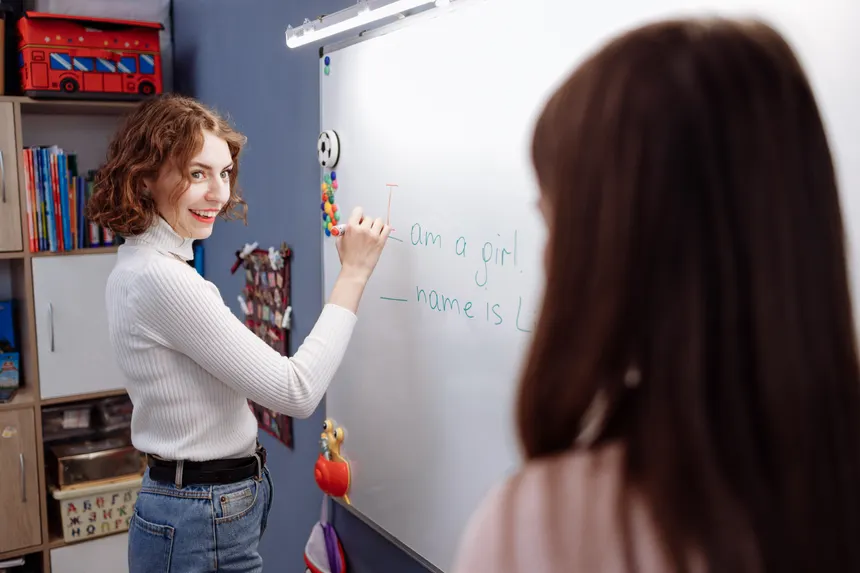
Career Paths Unlocked by TEFL: From Online to Overseas Roles
A TEFL certificate in 2026 doesn’t just mean you get to escape the UK weather (though, to be fair, that’s plenty of motivation sometimes). It opens doors you probably haven’t even thought of. When I got started in Prague, things were much more limited - it was mainly language schools or, if you were lucky, teaching a bit of business English. Now? It’s a completely different ball game. So what can you actually do with TEFL today? Try these on for size:- Teach English in primary and secondary schools overseas
- Find online teaching work with global platforms
- Specialise - Business English, Young Learners, or Exam Prep (IELTS, Cambridge, TOEFL and so on)
- Work at universities or with adults in lifelong learning centres
- Create lessons and materials for publishers or tech companies
- Move on to teacher training or academic management once you’ve got experience
- Tutor privately, in person or online, anywhere you fancy

Comparing TEFL Certification Options in 2026: Online, Hybrid, and In-Person Courses
Picking a TEFL course format? That can feel a bit much, can’t it. Should you do everything online, get hands-on in a real classroom, or go for a bit of both? Here’s a quick look at how the most popular options shape up for 2026:| Format | Pros | Cons | Best for... |
|---|---|---|---|
| Online |
|
|
People with jobs, digital nomads, or anyone wanting to upskill quick |
| Hybrid (Online + In-person) |
|
|
Career switchers; those after top international school jobs |
| In-Person |
|
|
Recent grads, teaching newbies, or anyone who wants to feel confident in a classroom |
Top Destinations for TEFL Teachers in 2026: Where Demand is Highest
So, are you picturing those beaches in Thailand, or maybe the lights of Seoul? But where are TEFL teachers really in demand in 2026? Demand’s shooting up in some places, holding steady in others, and requirements keep changing (sometimes faster than you’d think). Here’s the lowdown on where things are hot:- Vietnam - English schools are popping up all over, especially in Ho Chi Minh City and Hanoi
- South Korea - Great pay, brilliant perks, and a new government drive for English in state schools
- Spain - Big push for bilingual education, so a lot more jobs in both public and private schools
- Japan - Private conversation schools plus the public JET Programme are hiring more certified teachers
- United Arab Emirates - Excellent contracts for experienced teachers, especially in places like Abu Dhabi and Dubai
- Online/Remote - Platforms are keen for native British teachers (sometimes very specifically so!)
- Always check the local pay and living costs - surprises are no fun abroad!
- Think about the age group you’d prefer to teach (little ones, adults, business folks?)
- Languages and culture barriers matter - some countries make it easier for newbies
- Don’t forget about up-and-coming places like Poland or Morocco; there’s quiet demand building there too

Practical Tips for Maximising Your TEFL Certification Success
So you’ve picked your course and you might already be daydreaming about your first job. But how do you make sure your TEFL really works for you? I’ve seen plenty of trainees try to rush through, only to struggle landing a decent post. Here’s what I wish I could tell every new teacher, right from day one:- Pick a provider who supports you after the course, gives genuine job help, and is properly accredited (like the UK TEFL Institute)
- Pay attention during observed teaching - this is when schools notice your skills
- Build up a digital portfolio: lesson plans, videos, student feedback all help you stand out
- Don’t be shy - connect! Alumni groups, webinars, and chatting to teachers already abroad will open doors
- Tailor your CV for every job and put your TEFL certificate up top
- Keep topping up your skills - a short CPD course in Business English, IELTS, or online teaching can give you an extra edge
Expert Insights: Industry Trends and Data on TEFL Careers in 2026
The TEFL world never really sits still for long. Every year brings something new - sometimes it’s expected, sometimes it just sneaks up on us. Right now, recruitment agencies say overseas TEFL job listings are up by 19% compared to 2024. And online English teaching? Up even more! Some platforms are saying there’s a 40% jump in ads for certified British teachers.It’s not just about the number of jobs though. Quality matters now like never before. Employers want teachers who are confident with digital tools, know how to handle a class, and get the importance of inclusive practices. At a conference in Manchester, one head of studies told us, “We don’t even shortlist anyone without at least 120 hours of proper TEFL training.” That’s how it is now. Here’s what the numbers look like for 2026:"2026 is a boom year for TEFL. We're seeing more schools insisting on accredited teachers and a real hunger for expertise in digital teaching. A solid TEFL certificate is your passport to these new opportunities."
- James Brookes, Academic Director, TEFL Recruitment UK
- Over 1.7 billion people are learning English - yes, billion!
- 94% of managers surveyed by the British Council say they’d rather hire a certified teacher
- On average, TEFL-certified teachers make 18% more than those without.
- Online teaching companies fill roles three times faster when applicants have a certificate
"Employers now want teachers who can handle hybrid classrooms and motivate diverse groups. TEFL training is crucial for this."
- Maria Salazar, Head of English, Madrid Language Centre
Real Stories: TEFL Graduates Share Their 2026 Successes
I genuinely love hearing from former trainees. These stories remind me just how much a TEFL qualification can shift your whole path. Have a look at these from some of our own UK TEFL Institute graduates - and a few others I’ve worked with too:"After finishing my TEFL with UK TEFL Institute, I was offered a job in Seoul within weeks. The practical skills and interview prep made all the difference."
- Emily Chen, English Teacher, South Korea
- Paul started out teaching online in Liverpool - now he runs his own virtual language school with students in Brazil and Spain.
- Sophie, who switched from another job in Leeds, got a Business English post in Dubai and is now earning double what she did before.
- Ahmed, after finishing a hybrid TEFL course, was snapped up by a top centre in Casablanca.
- Anna, who focused on Young Learners, now teaches at a bilingual primary school in Madrid and couldn’t be happier.
So, what’s their secret? It’s not luck. They committed to developing themselves, got feedback, made connections - and treated TEFL as the launchpad for a real teaching career, not just a quick gap year fix. Okay, that’s not entirely true - a few did take a gap year, but then decided to stay because the work was that satisfying."I never thought a TEFL course could open so many doors. I moved from part-time tutoring in London to a full-time, secure role at an international school in Hanoi. It’s changed my life."
- Mark Evans, TEFL Graduate
Start Your TEFL Journey in 2026: Steps to Enrol and Get Ahead
If you’re reading this and thinking you might be ready for a change, I honestly don’t think there’s been a better time to go for TEFL certification. The world’s opening up again, and there’s a serious need for skilled, qualified English teachers. Here’s how to kick things off in 2026:- Check out accredited TEFL providers (why not our courses or course bundles for starters?)
- Pick the format that actually fits your life: online, hybrid, or in-person
- Gather up any documents you’ll need (degree, passport ID, the usual)
- Apply for your course and set your training dates
- Really dive in - ask questions, ask for feedback, and start building up your teaching folder
- Lean on your provider’s job support and alumni groups for advice and leads
- Prep for interviews with demo lessons and a CV that’s tailored for each job
Dr. Mitchell brings over 18 years of experience in English language education. Having taught across Europe and Asia, she leads our curriculum development with a focus on practical, classroom-ready methodologies grounded in British educational tradition.