
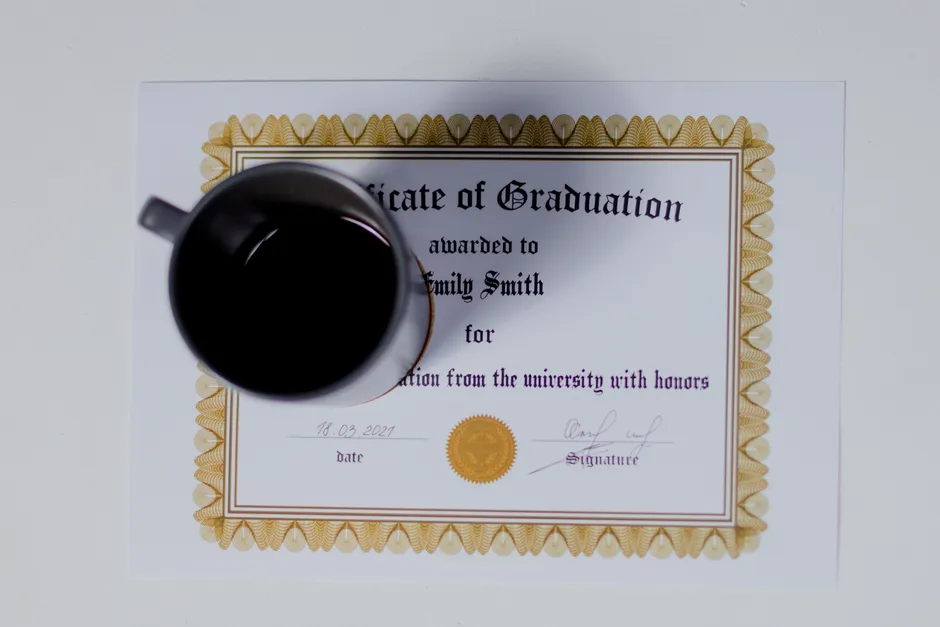
Introduction to TEFL and CELTA Certificates
I've been in the teaching industry for a while now — and let me tell you, a good TEFL or CELTA certificate can make all the difference in a teacher's career. When I taught in China, I met loads of fellow teachers who had either a TEFL or CELTA certification, and it was clear that these qualifications had given them a significant advantage in the job market. But what exactly are TEFL and CELTA certificates, and how do they differ from one another? That's a great question. In this article, we'll explore the benefits and importance of these certificates for teaching English abroad.
- Improved job prospects: Many schools and language institutes require or prefer teachers with a TEFL or CELTA certification — it's a no-brainer, really.
- Increased earning potential: Teachers with a TEFL or CELTA certification can often command higher salaries than those without — which is a big plus.
- Enhanced teaching skills: Both certificates provide teachers with the skills and knowledge they need to be effective in the classroom — and that's what it's all about, at the end of the day.
TEFL Certificate: Course Structure and Benefits
The TEFL certificate is a popular choice among those looking to teach English abroad, and for good reason. The course structure is typically flexible — and can be completed online or in-person, making it easy to fit into a busy schedule. The course covers a wide range of topics related to teaching English as a foreign language, including lesson planning, classroom management, and language teaching methodologies.In my experience, the TEFL certificate has provided many teachers with the skills and confidence they need to succeed in the classroom. For example, when I taught in South Korea, I met a fellow teacher who had completed a TEFL course — and was able to create engaging and effective lesson plans as a result. It was really impressive, to be honest."The TEFL certificate is a great way to get started in the teaching industry, especially for those who are new to teaching or have limited experience."
— Emma Chen, International Placement Coordinator at UK TEFL Institute
CELTA Certificate: Course Structure and Benefits
The CELTA certificate is a highly-regarded qualification that's specifically designed for teaching English to adults. The course structure is typically more intensive than the TEFL certificate — and it's usually completed in-person over a period of several weeks or months. The course covers a wide range of topics related to teaching English as a foreign language, including lesson planning, classroom management, and language teaching methodologies.
In my experience, the CELTA certificate has provided many teachers with the skills and confidence they need to succeed in the classroom. For example, when I taught in Spain, I met a fellow teacher who had completed a CELTA course — and was able to create engaging and effective lesson plans as a result. It was really inspiring, to be honest."The CELTA certificate is a highly-respected qualification that can open doors to teaching opportunities around the world. It's a great investment for anyone looking to develop their teaching skills and advance their career."
— John Smith, CELTA Trainer at UK TEFL Institute
Comparison of TEFL and CELTA Certificates
So, how do the TEFL and CELTA certificates compare? Here are some key differences:| Header | TEFL Certificate | CELTA Certificate |
|---|---|---|
| Course Duration | Typically 4-6 weeks | Typically 4-5 months |
| Course Cost | Typically £200-£1,000 | Typically £1,000-£2,000 |
| Job Prospects | Good job prospects, especially for entry-level positions | Excellent job prospects, especially for more senior positions |
TEFL vs CELTA: Which Certificate is Best for You
When choosing between the TEFL and CELTA certificates, there are several factors to consider. Here are some things to think about:- Career goals: What kind of teaching job are you looking for? If you're looking for a more senior position, the CELTA certificate may be a better choice. If you're just starting out, the TEFL certificate may be a better option. Or, maybe you're not sure yet — and that's okay.
- Budget: How much can you afford to spend on a TEFL or CELTA course? The TEFL certificate is often more affordable — while the CELTA certificate can be more expensive. Then again, it's an investment in your future, right?
- Time commitment: How much time can you dedicate to a TEFL or CELTA course? The TEFL certificate can often be completed online or part-time — while the CELTA certificate typically requires a full-time commitment. So, it's essential to think about your schedule and priorities.

In my experience, the key to choosing the right certificate is to consider your individual circumstances and goals. For example, when I taught in China, I met a fellow teacher who had completed a TEFL course — and was able to find a job quickly and easily. On the other hand, when I taught in Spain, I met a fellow teacher who had completed a CELTA course — and was able to advance their career and earn a higher salary. You'd be surprised at the difference it can make."When choosing between the TEFL and CELTA certificates, it's essential to consider your career goals and budget. Both certificates have their benefits and drawbacks — and the right choice for you will depend on your individual circumstances."
— Emma Chen, International Placement Coordinator at UK TEFL Institute
Tips for Choosing the Right Certificate Program
When choosing a TEFL or CELTA certificate program, there are several things to consider. Here are some tips to keep in mind:- Course content: What topics does the course cover? Is it comprehensive and up-to-date? — these are essential questions to ask.
- Trainer experience: What experience do the trainers have? Are they qualified and knowledgeable? — this can make a big difference in the quality of the course.
- Job placement: Does the program offer job placement assistance? What kind of support can you expect after completing the course? — this is crucial, if you're new to teaching.
Expert Insights: Success Stories from TEFL and CELTA Graduates
So, what kind of success can you expect from a TEFL or CELTA certificate? Here are some real-life stories from graduates:According to statistics, over 90% of TEFL and CELTA graduates are able to find a job teaching English abroad within a few months of completing their course. Additionally, many graduates report significant improvements in their teaching skills and confidence."I completed a TEFL course and was able to find a job teaching English in Japan. The course gave me the skills and confidence I needed to succeed in the classroom — and I've been able to build a successful career as a teacher."
— Sarah Lee, TEFL Graduate
In my experience, the key to success as a teacher is to be flexible, open-minded, and willing to learn. With the right training and support, anyone can build a successful career as a teacher. And, let's be real, it's not always easy — but it's worth it in the end."The CELTA certificate has been a game-changer for my career. I was able to advance to a more senior position and earn a higher salary — and I've been able to make a real difference in the lives of my students."
— John Smith, CELTA Graduate
Conclusion: Take the First Step in Your Teaching Career
So, what's the next step? If you're interested in teaching English abroad, I encourage you to start by researching the TEFL and CELTA certificates. Consider your career goals, budget, and time commitment — and choose the certificate that's right for you.Emma specialises in helping TEFL graduates find rewarding teaching positions worldwide. With a network spanning 40+ countries and personal teaching experience in China, South Korea, and Spain, she provides invaluable guidance for career starters.