
Why Games and Activities Are Essential for Young Learners in ESL Classrooms
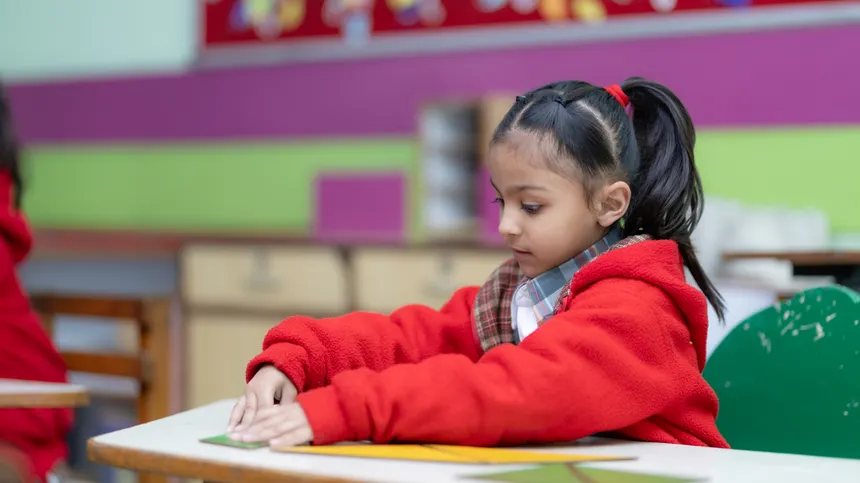
Kids really aren’t designed to sit still, are they? If you’ve ever spent just five minutes in a room of six-year-olds learning English, you know exactly what I mean. And honestly, it’s not just about using up all that energy - movement, play, and hands-on activities are right at the centre of what works with young learners. Games aren’t just a bit of fun to fill the time. They’re honestly one of the best tools for helping kids pick up language. When I first started teaching in Madrid, my group of eight-year-olds would completely switch off at the sight of worksheets. The magic happened the moment we played “Simon Says” or had a round of “Hot Potato.” Suddenly, even the quietest child was shouting out colours and verbs. So, why is that? Well, games match how children naturally learn: through play, loads of repetition, and, of course, chatting with each other. Here’s how games and activities really help young learners develop their English:- Motivation: Games make everything more exciting, so kids forget they’re even “learning” and just get involved.
- Language in context: Activities give kids real reasons to use new words and grammar in actual situations.
- Repetition without boredom: Games let you recycle language in fresh and interesting ways, so it doesn’t get dull.
- Confidence building: Winning or doing well in a game helps quieter students come out of their shell. You’d be surprised!
- Social skills: Teamwork, turn-taking, figuring out rules - it’s all wrapped up together.
- Multi-sensory learning: Kids remember better when they move around, see things, and hear them too.
Top 10 Tried and Tested Games for Teaching English to Young Learners
After more than twelve years in classrooms, I’ve built up a bank of games I return to over and over. Some are classics, and a few have taken on a life of their own - often adapted on the fly in places like Warsaw or Ho Chi Minh City, when I suddenly found myself teaching in a cupboard-sized classroom or with a huge group. Here are ten that never let me down for building vocabulary, fluency, and a real community feeling:- Simon Says: Brilliant for practising verbs and classroom instructions. Kids move, and it always gets a smile.
- Memory Cards: Get some picture and word cards to match up new words. Kids love shouting out when they get a pair.
- Bingo: Adapt this for any topic - animals, numbers, you name it. Really good for practising listening.
- Hot Potato: Pass a ball round the class; whoever’s holding it when the music (or counting) stops has to name a word or answer a question.
- Charades: Act out actions, feelings, or things. Great for creativity and getting everyone up on their feet.
- Running Dictation: Teams dash about reading and remembering short sentences posted around the room. Loads of energy!
- Whisper Chain (Chinese Whispers): Super for listening and learning to pronounce new words together.
- Board Races: Groups compete to write answers or words up on the board. Gets noisy - but in a good way.
- Find Someone Who: Kids walk around asking questions with the target language (“Find someone who has a cat”).
- What’s Missing?: Show a group of objects or cards, take one away, and let the kids guess what’s gone.
Creative Classroom Activities to Enhance English Learning
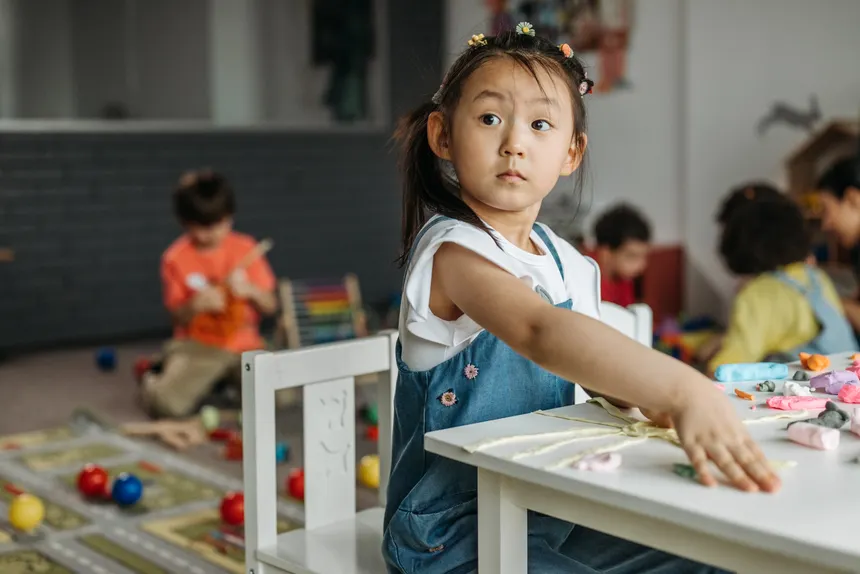
Games are fantastic, but there’s more to it. Creative activities fire up the imagination, help kids use English in new ways, and bring a new burst of energy just when you need it. I’ve found that the best learning happens when activities are something kids can touch and remember. Back in my Prague days, Fridays meant “story time”. Each child would add a line to a story, and then we’d act it out with puppets we’d made together. Even the most nervous speaker wanted to join in, and honestly, the pride they showed was something special. Here are a few creative ideas to bring into your classroom:- Storytelling Circles: Kids take turns building a story, one sentence at a time. Props and pictures help keep them on track.
- Role-plays: Act out simple conversations - maybe shopping, a day at the zoo, or a birthday. It’s perfect for practising real-life English.
- Arts and Crafts: Make things like masks, weather wheels, or animal puppets, using your target words as you go.
- Music and Songs: Action songs and chants are great for helping with pronunciation and rhythm.
- Show and Tell: Bring an object from home and talk about it in English.
- Classroom Surveys: Let kids ask and answer questions, then count up the responses.
- Drama Games: Freeze frames or miming feelings - fantastic for building confidence and showing understanding without words.
- Picture Dictation: Kids draw what they hear you describe. Perfect for practising prepositions and description words.
Comparing Game-Based vs Traditional Teaching Methods for Young Learners
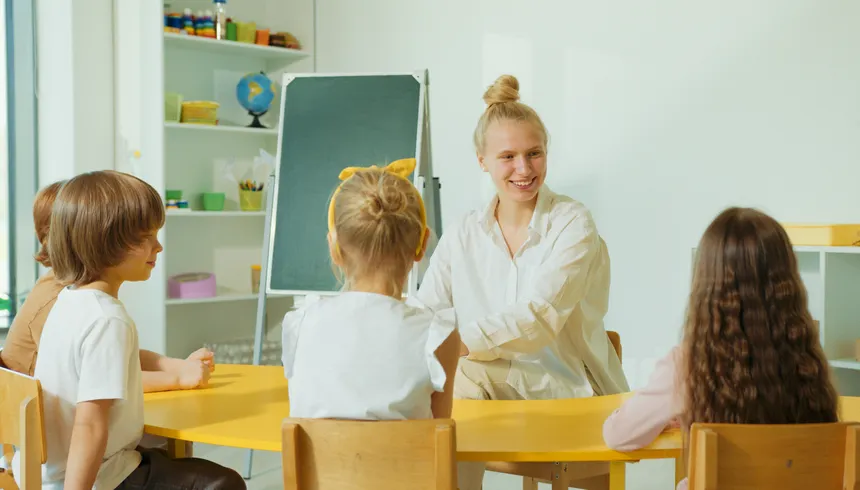
This debate’s been around as long as the modern classroom: Should we stick with drills, copying, and pupils sitting in neat rows, or go for movement, games and all that interaction? Honestly, there’s space for both. But - and this is important - the difference in how the kids respond can be pretty big. The old-school way is all about practice, teacher talk, and lots of solo work. It can help with accuracy, especially if kids are a bit older or already confident. But from what I’ve seen, with younger kids, too much worksheet work just leads to fidgeting, losing focus, and - well, actually - less real communication in English. Game-based learning flips things round. Kids use English for real. It brings down anxiety (that “affective filter” the academics always mention), and gets kids talking, moving, and repeating the new language in ways that actually stick. Here’s a look at both, side by side:| Method | Pros | Cons |
|---|---|---|
| Game-Based Learning |
|
|
| Traditional Methods |
|
|
Adapting Games and Activities for Different Age Groups and Language Levels
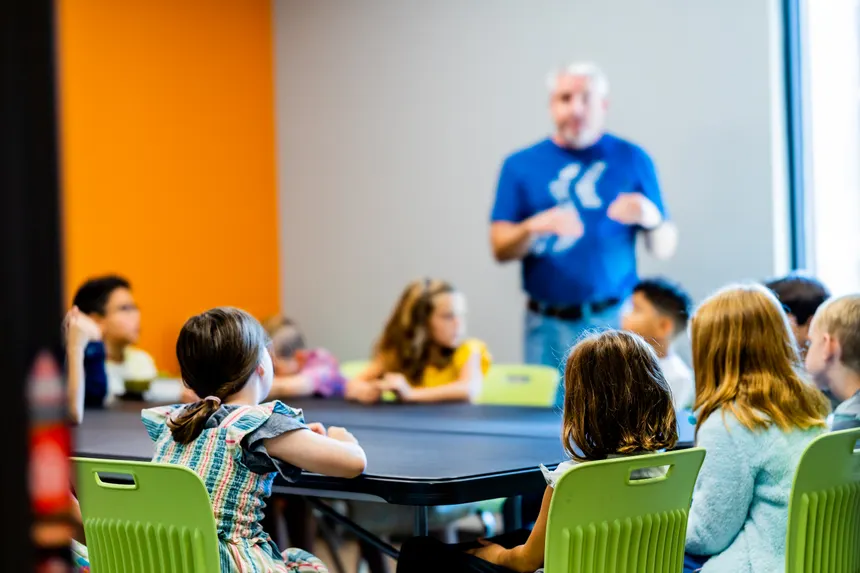
Of course, not all young learners are the same. What works with a group of six-year-olds probably won’t fly with older kids, or those who already speak quite a bit. The trick is staying flexible - a lesson I learned (the hard way, honestly) in a buzzing Buenos Aires classroom, when “Simon Says” completely flopped with a bunch of teenagers! Try these tweaks to fit games and activities to your group’s age and language level:- For very young learners (ages 4-7):
- Bring in plenty of real objects and pictures.
- Keep instructions super short and crystal clear.
- Focus on listening and speaking, with loads of movement and songs.
- Remember, their attention span is tiny - switch it up every 5-10 minutes.
- For older children (ages 8-12):
- Mix in more complex games (group competitions, simple role-plays).
- Start bringing in reading and easy writing tasks, but always try to keep it playful.
- Let them lead activities and use their own ideas more.
- For mixed-level groups:
- Put students into pairs or teams so stronger ones can help others.
- Offer different tasks (some easier, some a bit trickier).
- Go for games where you can adjust the language as you play (in “Charades”, allow choosing easy or harder words).
- For shy or less confident learners:
- Start with games that are whole-class or don’t single anyone out.
- Let them use gestures or draw if they’re not ready to speak straight away.
Knowing what to change and when takes practice - something we cover a lot in our courses, especially for teachers facing mixed ages or levels in one class. The main aim? Make every child feel included, help them move forward, and keep the classroom a happy, positive place."Games are not just a break from 'real' learning - for young children, they are the most effective way to acquire language naturally."
- James Thornton, UK TEFL Institute
Common Challenges and Solutions When Using Games in ESL Classes
If only games ran perfectly every single time, right? Truth is, even a simple vocab game can sometimes turn into a shouting match. Or one confident student ends up running the show while others hang back. I’ll never forget a “Board Race” in Seoul where the teams weren’t fair, and - well, let’s just say there were tears. Good classroom management really does make all the difference. Some classic problems and what I’ve found helps:- Noise and overexcitement: Set a signal to pause the game, and remind everyone about “game voices” versus “quiet voices.”
- Unequal participation: Change up groups and roles often. Give quieter students sentence starters, or let them play with a partner.
- Unclear rules: Always show exactly how the game works before you start. Use pictures if it helps.
- Time management: Have a plan for switching between activities to keep everyone focused. A timer out in the open helps a lot.
- Lack of resources: Think outside the box - loads of games need nothing more than a board, some scrap paper, or even the kids themselves as props.
Let’s be real: every teacher has a lesson where things go sideways. The real skill is figuring out what to do next. At UK TEFL Institute, we honestly believe every hiccup gives you a chance to get even better."Effective classroom games require clear routines and boundaries - but also a willingness to laugh and try again if things go wrong."
- James Thornton, UK TEFL Institute
What the Research Says: The Impact of Games on Young Learner Outcomes
It’s not just stories from teachers that make the case for games. Study after study, from universities and TEFL gurus, shows that playful, interactive lessons get kids further, faster. A 2022 University of Cambridge study found young English learners who did regular game-based activities scored about 23% higher in fluency than those who just used traditional methods. It wasn’t just speaking either - memory and listening improved too. Why? Games lower anxiety, help kids take safe risks in English, and pack in loads of meaningful practice - all the things language researchers say children need."Game-based learning increases motivation and provides real opportunities for children to practise new language in context. It's one of the most effective strategies for young EFL learners."
- Dr. Susan Halliwell, Applied Linguist
- Kids in classes with regular games say they enjoy lessons more and are more willing to speak English.
- Loads of research points to better vocabulary recall and quicker grammar learning in classes that use plenty of games.
- Teachers report better relationships in the classroom, and fewer behaviour problems, when games and hands-on activities are a regular part of lessons.
Get Started with Dynamic ESL Lessons: Next Steps for Teaching English to Young Learners
If you’re ready to liven up your lessons and see young children flourish, now’s the perfect time to bring in more games and fun activities. The results? Honestly, you’ll see children’s confidence, English, and overall classroom mood turn around completely. I’ve supported teachers all over - from London to Hanoi - and I know it can be a bit scary to try something new. But just take one step: swap a worksheet for a game, or finish a lesson with a creative activity. Watch your students light up (and listen for the English you didn’t expect to hear!). Here’s how to get started:- Try one new game or creative idea from above in your next lesson.
- Notice how different ages and levels respond - and tweak things as you go.
- Think about what went well and what you’d change next time. Don’t worry about adjusting the rules if it helps.
- Ask your colleagues what works for them or join a group of other teachers for ideas and support.
- Consider taking a deeper dive with our TEFL courses at UK TEFL Institute - we’re all about practical, classroom-ready activities for young learners.
- Check out our course packages for options that fit your schedule and your budget.
Every group is different, no question about it. But here’s one thing that’s always true: children learn best when they’re involved, moving, and genuinely enjoying themselves. With the right mix of games, creative activities, and, to be fair, your own enthusiasm, you won’t just be teaching English - you’ll be building a classroom kids are excited to walk into week after week."The most successful young learner teachers are those who aren’t afraid to sing a silly song, play a game, or let children lead the activity. That’s where the best learning - and the best memories - are made."
- James Thornton, UK TEFL Institute
James has been involved in TEFL training for over 12 years. A Cambridge CELTA trainer and former British Council examiner, he ensures our courses meet the highest international standards while remaining accessible to aspiring teachers worldwide.