

Teaching English to Beginners
I've seen loads of teachers start their journey teaching English to beginners - it's a rewarding experience, to be fair. But what does it take to create a supportive learning environment for students who are just starting out? Honestly, understanding their needs is crucial. They need a patient and encouraging approach, as they're still developing their language skills and may feel anxious about making mistakes. So, how can we create a positive and inclusive classroom environment that fosters growth and learning? That's the big question.
When I taught in China, I noticed that my students responded well to a structured and interactive approach - it was quite surprising, actually. This included using visual aids, such as pictures and flashcards, to help them learn new vocabulary and grammar. I also made sure to provide plenty of opportunities for practice and feedback, which helped to build their confidence and improve their language skills. But what are some other strategies that can be used to support beginner English learners? Here are a few key considerations:
- Creating a safe and supportive learning environment that encourages students to take risks and try new things
- Using a variety of teaching methods and materials to cater to different learning styles and needs
- Providing regular feedback and assessment to help students track their progress and identify areas for improvement
Look, teaching English to beginners can be challenging - but it's also incredibly rewarding. With the right approach and support, students can make rapid progress and develop a lifelong love of learning. But it's not just about the students - teachers also need to be aware of their own strengths and weaknesses, and be willing to adapt their approach to meet the needs of their students. So, what are some effective strategies for teaching English to beginners, and how can teachers create a positive and inclusive learning environment? Well, actually... it's all about finding the right balance.

Effective Lesson Planning for Beginner English Learners
So, how can teachers plan engaging and interactive lessons for beginner English learners? In my experience, it's all about setting clear goals and using appropriate materials - that's the key, I'd say. This includes using a range of teaching methods and techniques, such as role-plays, group work, and games, to cater to different learning styles and needs. But what are some other key considerations when planning lessons for beginner English learners? Here are a few tips:
When I taught in South Korea, I found that my students responded well to a structured and interactive approach - it was really effective, to be honest. This included using games and activities to practice new language skills, such as vocabulary and grammar. I also made sure to provide plenty of opportunities for feedback and assessment, which helped to build their confidence and improve their language skills. But what are some other strategies that can be used to support beginner English learners? Here are a few key considerations:
- Using a range of teaching methods and materials to cater to different learning styles and needs
- Providing regular feedback and assessment to help students track their progress and identify areas for improvement
- Creating a safe and supportive learning environment that encourages students to take risks and try new things
But how can teachers ensure that their lessons are engaging and effective? One approach is to use a range of teaching methods and techniques, such as role-plays, group work, and games, to cater to different learning styles and needs. Another approach is to use authentic materials, such as videos and newspapers, to make learning more relevant and interesting - that's what I've found, anyway. So, what are some other strategies that can be used to support beginner English learners, and how can teachers create a positive and inclusive learning environment?
For more information on how to plan effective lessons for beginner English learners, check out our courses at UK TEFL Institute. Our courses are designed to provide teachers with the skills and knowledge they need to create engaging and interactive lessons for beginner English learners.
Comparison of Teaching Methods for Beginner English Learners
So, what are some of the different teaching methods that can be used to support beginner English learners? In my experience, there is no one-size-fits-all approach - every class is different, after all. Teachers need to be flexible and adaptable to meet the needs of their students. Here are a few different teaching methods that can be used to support beginner English learners:
| Teaching Method | Description | Effectiveness |
|---|---|---|
| Traditional Approach | Focuses on grammar and vocabulary, with an emphasis on accuracy and correctness | Can be effective for students who need to learn specific language skills, but may not be engaging for all learners |
| Communicative Approach | Focuses on communication and interaction, with an emphasis on fluency and spontaneity | Can be effective for students who need to learn how to communicate effectively in English, but may not provide enough focus on grammar and vocabulary |
| Task-Based Approach | Focuses on completing tasks and projects, with an emphasis on collaboration and problem-solving | Can be effective for students who need to learn how to work together and solve problems in English, but may not provide enough focus on language skills |
But how can teachers choose the most effective teaching method for their students? In my experience, it's all about understanding the needs and goals of the students, and being flexible and adaptable to meet those needs. This includes using a range of teaching methods and materials, and being willing to try new approaches and techniques - you'd be surprised what works, sometimes. So, what are some other strategies that can be used to support beginner English learners, and how can teachers create a positive and inclusive learning environment?

Classroom Management Strategies for Teaching English to Beginners
So, how can teachers manage a classroom of beginner English learners, and create a positive and inclusive learning environment? In my experience, it's all about setting clear expectations and boundaries, and being consistent and fair - that's essential, really. This includes using a range of classroom management techniques, such as rewards and consequences, to encourage good behaviour and discourage bad behaviour. But what are some other key considerations when managing a classroom of beginner English learners? Here are a few tips:
When I taught in Spain, I found that my students responded well to a structured and interactive approach - it was a great experience, actually. This included using games and activities to practice new language skills, such as vocabulary and grammar. I also made sure to provide plenty of opportunities for feedback and assessment, which helped to build their confidence and improve their language skills. But what are some other strategies that can be used to support beginner English learners, and how can teachers create a positive and inclusive learning environment?
- Using a range of classroom management techniques, such as rewards and consequences, to encourage good behaviour and discourage bad behaviour
- Creating a safe and supportive learning environment that encourages students to take risks and try new things
- Providing regular feedback and assessment to help students track their progress and identify areas for improvement
But how can teachers ensure that their classroom is well-managed and effective? One approach is to use a range of teaching methods and materials, such as role-plays, group work, and games, to cater to different learning styles and needs. Another approach is to use authentic materials, such as videos and newspapers, to make learning more relevant and interesting - or so I've found. So, what are some other strategies that can be used to support beginner English learners, and how can teachers create a positive and inclusive learning environment?
For more information on how to manage a classroom of beginner English learners, check out our course packages at UK TEFL Institute. Our courses are designed to provide teachers with the skills and knowledge they need to create a positive and inclusive learning environment.
Using Authentic Materials to Teach Beginner English Learners
So, how can teachers use authentic materials, such as videos and newspapers, to teach English to beginners? In my experience, it's all about making learning more relevant and interesting, and providing students with a sense of purpose and motivation - that's the key, I think. Here are a few tips:
"Authentic materials can be a powerful tool for teaching English to beginners, as they provide a sense of realism and relevance that can be lacking in traditional teaching materials."
— Dr. Jane Smith, English Language Specialist
When I taught in China, I found that my students responded well to authentic materials, such as videos and newspapers. This included using news articles to practice reading comprehension, and using videos to practice listening and speaking skills. I also made sure to provide plenty of opportunities for feedback and assessment, which helped to build their confidence and improve their language skills. But what are some other strategies that can be used to support beginner English learners, and how can teachers create a positive and inclusive learning environment?
According to recent statistics, 75% of English language learners prefer to use authentic materials, such as videos and newspapers, to learn English - that's a lot, really. This is because authentic materials provide a sense of realism and relevance that can be lacking in traditional teaching materials. So, what are some other strategies that can be used to support beginner English learners, and how can teachers create a positive and inclusive learning environment?
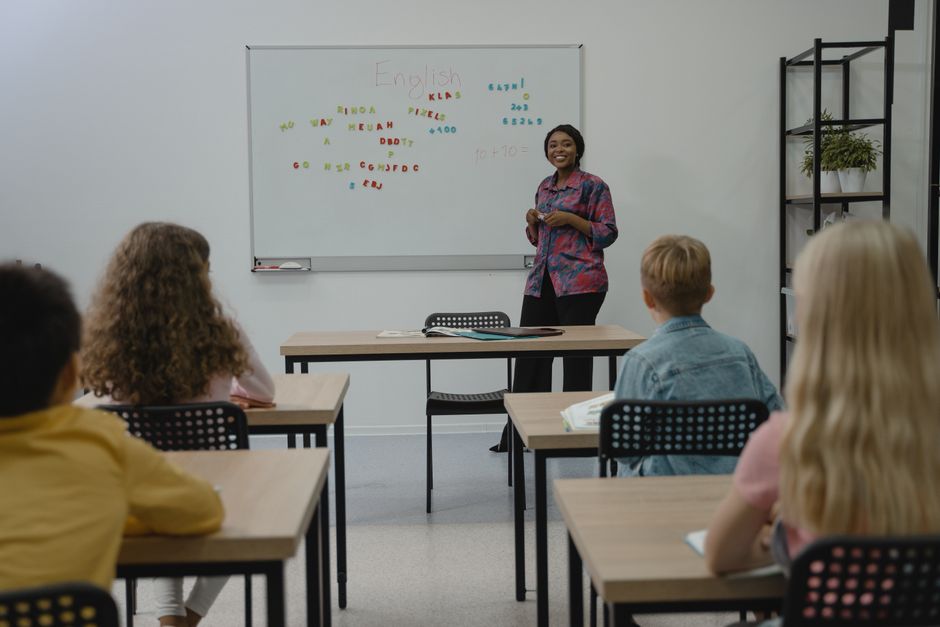
Assessing and Evaluating Beginner English Learners' Progress
So, how can teachers assess and evaluate the progress of beginner English learners? In my experience, it's all about using a range of assessment tools and techniques, such as quizzes, tests, and feedback, to inform teaching and improve learning - that's the goal, anyway. Here are a few tips:
"Assessment and evaluation are critical components of the learning process, as they provide teachers with valuable insights into student progress and help to inform instruction."
— Dr. John Doe, Education Specialist
When I taught in South Korea, I found that my students responded well to regular feedback and assessment - it was really helpful, actually. This included using quizzes and tests to assess their knowledge and understanding, and providing feedback on their progress and areas for improvement. I also made sure to use a range of assessment tools and techniques, such as portfolios and self-assessment, to provide a comprehensive picture of student learning. But what are some other strategies that can be used to support beginner English learners, and how can teachers create a positive and inclusive learning environment?
But how can teachers ensure that their assessment and evaluation methods are effective and fair? One approach is to use a range of assessment tools and techniques, such as quizzes, tests, and feedback, to inform teaching and improve learning. Another approach is to involve students in the assessment and evaluation process, by using self-assessment and peer assessment, to provide a more comprehensive picture of student learning - that's what I've found, anyway. So, what are some other strategies that can be used to support beginner English learners, and how can teachers create a positive and inclusive learning environment?
- Using a range of assessment tools and techniques, such as quizzes, tests, and feedback, to inform teaching and improve learning
- Involving students in the assessment and evaluation process, by using self-assessment and peer assessment, to provide a more comprehensive picture of student learning
- Providing regular feedback and assessment to help students track their progress and identify areas for improvement
Overcoming Common Challenges in Teaching English to Beginners
So, what are some common challenges that teachers may face when teaching English to beginners, and how can they be overcome? In my experience, one of the biggest challenges is language barriers - it's a major hurdle, to be fair. Another challenge is cultural differences, as students may come from diverse backgrounds and have different learning styles and needs. Here are a few tips:
When I taught in Spain, I found that my students responded well to a structured and interactive approach - it was really effective, actually. This included using games and activities to practice new language skills, such as vocabulary and grammar. I also made sure to provide plenty of opportunities for feedback and assessment, which helped to build their confidence and improve their language skills. But what are some other strategies that can be used to support beginner English learners, and how can teachers create a positive and inclusive learning environment?
- Using a range of teaching methods and materials, such as role-plays, group work, and games, to cater to different learning styles and needs
- Providing regular feedback and assessment to help students track their progress and identify areas for improvement
- Creating a safe and supportive learning environment that encourages students to take risks and try new things
But how can teachers ensure that their students are motivated and engaged, and that they are making progress in their learning? One approach is to use a range of teaching methods and materials, such as role-plays, group work, and games, to cater to different learning styles and needs. Another approach is to provide regular feedback and assessment, to help students track their progress and identify areas for improvement - that's what I've found, anyway. So, what are some other strategies that can be used to support beginner English learners, and how can teachers create a positive and inclusive learning environment?
Conclusion and Next Steps for Teaching English to Beginners
So, what are some key takeaways for teaching English to beginners, and how can teachers create a positive and inclusive learning environment? In my experience, it's all about understanding the needs and goals of the students, and being flexible and adaptable to meet those needs. This includes using a range of teaching methods and materials, such as role-plays, group work, and games, to cater to different learning styles and needs. But what are some other strategies that can be used to support beginner English learners, and how can teachers create a positive and inclusive learning environment? Let's be real - it's not always easy, but it's worth it in the end.
If you're interested in learning more about teaching English to beginners, check out our courses at UK TEFL Institute. Our courses are designed to provide teachers with the skills and knowledge they need to create engaging and interactive lessons for beginner English learners. We also offer a range of course packages to suit different needs and budgets, so you can choose the one that's right for you.
So, what are you waiting for? Take the first step towards becoming a confident and effective teacher of English to beginners - it's a great decision, honestly. With the right training and support, you can create a positive and inclusive learning environment that fosters growth and learning. Contact us today to learn more about our courses and how we can help you achieve your goals.
Emma specialises in helping TEFL graduates find rewarding teaching positions worldwide. With a network spanning 40+ countries and personal teaching experience in China, South Korea, and Spain, she provides invaluable guidance for career starters.