

Why Teach English in South Korea: Key Benefits and Opportunities
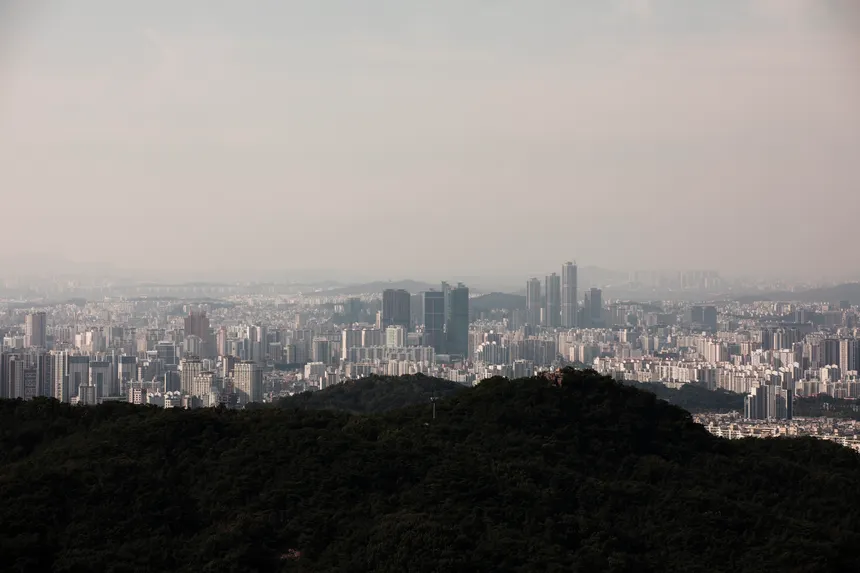
- Competitive pay and excellent benefits - ESL salaries are some of the best in Asia, and schools often throw in housing and your flights.
- Vibrant cities and stunning countryside - whether you want Seoul’s bright lights or Jeju’s calm beaches, there’s something for everyone here.
- Professional respect - Most teachers are seen as skilled professionals, especially if you work in public schools or universities.
- Opportunities for travel and cultural exchange - With lots of time off and cheap travel inside Korea, exploring is easy (and tempting, trust me!).
- Modern infrastructure - Reliable Wi-Fi, quick public transport, and top-notch healthcare all make day-to-day life smoother.
Types of English Teaching Jobs in South Korea
There’s really no such thing as a single ‘standard’ teaching job in Korea. Your choice is going to shape your daily routine, salary, and even who you spend time with after work. Let’s break it down:- Public Schools (EPIK, GEPIK, SMOE programmes): Usually you’ll work from 8:30am until 4:30pm, often teaching bigger classes (20-30 students). Contracts last a year, you get long holidays, and there’s a set curriculum to follow. A bachelor’s and a TEFL certificate are musts. If you don’t mind rural life, jobs outside the cities sometimes pay more or come with nice bonuses.
- Private Language Academies (Hagwons): Hagwons pop up everywhere - in big cities and small towns alike. Most teaching happens in the afternoons and evenings. Class sizes are smaller and the pace is quicker. Great if you’re keen to save money, but some hagwons are better run than others. To be fair, always check out reviews before you sign anything.
- Universities: These are trickier to land since you often need a master’s or loads of teaching experience. But if you land one, the teaching load can be light (sometimes just 10-15 hours a week) and holidays are fantastic. Most are in large cities like Seoul or Busan.
- International Schools: Tough to find, but the pay and benefits can be excellent. They’ll usually require a teaching licence from your home country.
- Private Tutoring: You’ll need the right visa to do this by the book, although some teachers use it to top up income. Best advice is to stay legal - authorities check more than you’d think.
Salary and Benefits: What English Teachers Can Expect
Look, money isn’t everything - but let’s be real, it definitely helps. Korean teaching salaries are well above average for Asia, especially when you count in all the extras. And you do feel them. When I was living in Gwangju, having an apartment provided meant I could save most of what I earned, even after weekends away and the odd K-BBQ blowout. Here’s a quick look at the numbers:| Job Type | Monthly Salary (KRW) | Benefits |
|---|---|---|
| Public Schools (EPIK/GEPIK/SMOE) | 2.0 - 2.7 million | Free housing, airfare, pension, bonus |
| Private Academies (Hagwons) | 2.1 - 2.5 million | Free housing, airfare, some bonuses |
| Universities | 2.3 - 3.5 million | Housing allowance, paid holidays, pension |
| International Schools | 2.5 - 4.0 million | Housing, relocation, full benefits |
- Housing: Most jobs cover your rent for a furnished flat - or pay you an allowance if not.
- Airfare: Schools usually pay for return flights home (sometimes up front, sometimes reimbursed).
- Pension and Health Insurance: You’ll be put into the national pension scheme and get subsidised health care.
- Completion Bonus: Finish your year and you’ll get an extra month’s pay as a bonus.
- Holidays: Public schools offer 18-23 days off, plus all the national holidays. Universities can be even more generous.
Comparing Teaching in South Korea vs Other Asian Destinations

| Country | Typical Salary (GBP/month) | Main Benefits |
|---|---|---|
| South Korea | £1,200-£2,200 | Free housing, airfare, pension, bonuses |
| Japan | £1,400-£2,000 | Partial housing, airfare (rare), pension |
| China | £1,000-£2,000 | Housing, airfare, completion bonus |
| Vietnam | £850-£1,600 | Some housing, lower cost of living |
- Work hours: In Korea and Japan, hagwons and eikaiwas mean longer shifts, but public school jobs are much the same everywhere.
- Savings potential: Korea’s a superstar for saving, Japan is good (but pricier day-to-day), and China/Vietnam pay less but cost less to live in.
- Visa processes: Korea’s E-2 system is clear but does ask for a lot of paperwork. Japan’s is similar, while Vietnam is, well, a bit more unpredictable.
Navigating Korean Culture: Essential Tips for TEFL Teachers
To be honest, Korean culture can take some getting used to. It’s welcoming, yes, but it’s also formal, with a bunch of unspoken rules that catch you out if you’re not careful. I still laugh about the time in Gwangju when I poured my own soju at a staff dinner - my co-teacher’s gasp was priceless. (Pro tip: let someone else pour your drink. Really.) Some quick cultural survival tips:- Bowing: A little bow goes a long way when greeting colleagues, elders, or even the school principal. You don’t need to overdo it - just a small nod shows you get it.
- Respect for hierarchy: Age and job rank matter a lot. Use formal titles, and show a bit of extra politeness to senior staff.
- Gift giving: Bringing a small gift for your co-teacher or principal when you start is a great way to get on the right foot.
- Public behaviour: Koreans value harmony, so try to avoid big public arguments or showing frustration.
- Classroom etiquette: Your students may seem a bit shy at first. Build trust slowly, and don’t be shocked if everything feels more formal than you’re used to.
- Food: Try everything. Or at least have a go. Teachers who dive into local food earn major points with staff and students alike.
Expert Advice for a Successful Teaching Experience in Korea
Don’t just take my word for it - the numbers are pretty clear. Over 25,000 foreign English teachers work in Korea every year (according to the Ministry of Education), and most report high levels of satisfaction.In my experience, teachers who fully embrace the unique quirks of Korean schools end up having the best time. When I was mentoring in Daejeon, the newbies who picked up a bit of Korean or joined after-school clubs generally had a smoother transition - and way more fun."Teachers who approach their time in Korea with curiosity and patience thrive. Those who connect with local staff and students get the most out of the experience."
- Sarah Evans, Former EPIK Coordinator
- Ask questions early and often. Unsure about your timetable or lessons? Just check with your co-teacher or director - don’t guess.
- Get stuck in with local activities. Whether it’s hiking, a language exchange, or helping at a festival, you’ll settle in much faster.
- Keep an open mind with lesson styles. Some schools are more traditional, but you’ll usually find space for creativity, especially in speaking classes.
- Don’t worry about making mistakes. Koreans appreciate the effort, even if your language skills need work.
If you want to stand out and genuinely enjoy your experience, don’t come just for the pay. Treat Korea as a real career step and an adventure, all in one. (Well, actually... it’s often both at once.)"A TEFL qualification from a reputable provider, like UK TEFL Institute, not only secures interviews but also prepares you for real classroom challenges."
- Martin Lowe, British Council Trainer
TEFL Certification: Preparing for Your South Korean Teaching Journey

- You must have a bachelor’s degree (it can be in any subject, so don’t worry if it’s not in English or teaching).
- A recognised TEFL certificate (120 hours is really the standard now).
- A clean background check.
- You must be a native English speaker from the UK, Ireland, USA, Canada, Australia, New Zealand, or South Africa.
Not sure which course to start with? Take a look at our course packages. We built these with Korea’s visa and school requirements in mind."The difference between a great and a mediocre teaching experience often comes down to preparation. Take the time to complete a robust TEFL course - you’ll be grateful for it on your first day."
- James Thornton, UK TEFL Institute
How to Start Your TEFL Adventure in South Korea Today
If you’ve made it this far, you’ve got the facts, some real stories, and (hopefully) you’re excited. So, what’s next? Honestly, the process isn’t that complicated. It just pays to be organised. Here’s what I’d suggest:- Do a 120-hour TEFL course (one with some real classroom practice, if you can).
- Gather your paperwork: degree, transcripts, police check, passport, TEFL certificate.
- Look at job openings: public schools (EPIK, GEPIK, SMOE), hagwons, and universities.
- Put together a proper CV and cover letter (anything teaching, coaching, or youth-related helps).
- Apply either direct to schools or via trusted recruiters.
- Prep for interviews (Skype or Zoom is pretty standard for these).
- Once you get an offer, start your visa paperwork right away.
- Book your flight, pack the essentials, maybe learn a few Korean basics.
James has been involved in TEFL training for over 12 years. A Cambridge CELTA trainer and former British Council examiner, he ensures our courses meet the highest international standards while remaining accessible to aspiring teachers worldwide.