
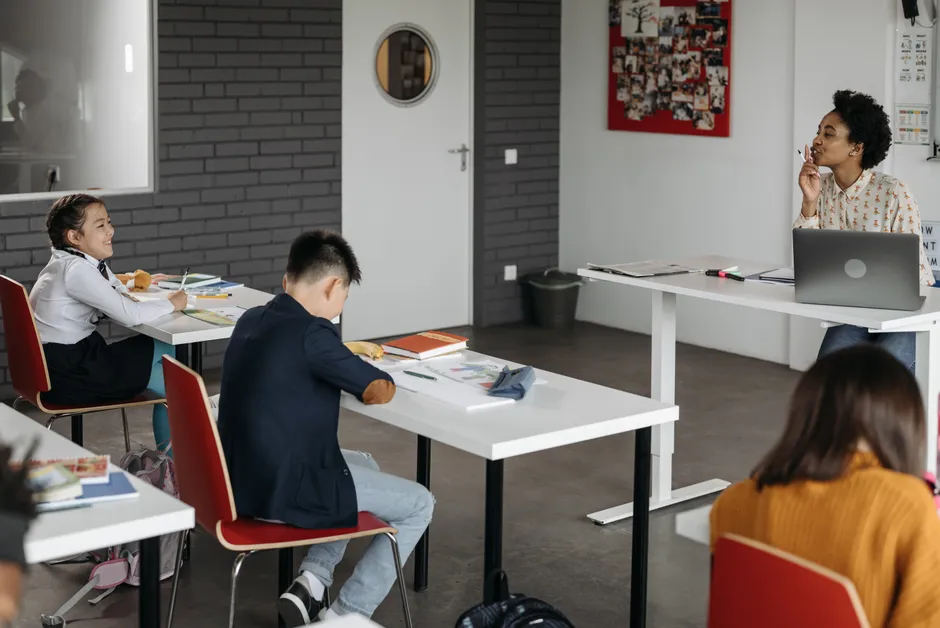
Introduction to English Conversation Classes
Teaching English conversation classes - it's a vital part of ESL education, really. I mean, it enables students to practice their speaking skills and build confidence in using the language. In my experience, I've seen students who are proficient in reading and writing English struggle to hold conversations with native speakers. This is because conversation requires a different set of skills, including the ability to think on one's feet, use idiomatic expressions, and understand nuances of language. As a Cambridge CELTA trainer, I've had the opportunity to work with teachers from around the world - from Tokyo to London - and I've seen firsthand the impact that effective conversation classes can have on students' language abilities.
- Encouraging student participation and engagement
- Providing opportunities for students to practice using language in context
- Developing students' critical thinking and problem-solving skills
- Fostering a sense of community and collaboration in the classroom
Planning Effective English Conversation Lessons
Planning effective English conversation lessons - it's crucial, really. As a teacher, you need to be able to set clear goals and objectives, and choose topics that are relevant and engaging for your students. You also need to be able to create a sense of structure and organization, while still allowing for flexibility and spontaneity in the classroom. In my experience, I've found that it's essential to start with a clear idea of what you want to achieve in the lesson, and then work backwards to plan the activities and tasks that will help you get there.- Setting clear goals and objectives for the lesson
- Choosing topics that are relevant and engaging for your students
- Creating a sense of structure and organization in the lesson
- Allowing for flexibility and spontaneity in the classroom
- Current events and news stories
- Culture and traditions
- Personal experiences and anecdotes
- Debates and discussions
Teaching English Conversation Classes: Methods and Approaches
There are many different methods and approaches to teaching English conversation classes, each with its own strengths and weaknesses. In my experience, I've found that the most effective approach is often a combination of different methods, tailored to the needs and abilities of your students. Some popular methods and approaches include:| Method | Description | Advantages |
|---|---|---|
| Task-based learning | Students work in groups to complete tasks and projects | Encourages collaboration and problem-solving |
| Content and language integrated learning | Students learn content and language simultaneously | Helps students develop a deeper understanding of the subject matter |
| Communicative language teaching | Students engage in communicative activities and tasks | Helps students develop their speaking and listening skills |
- Role-plays and simulations
- Debates and discussions
- Presentations and performances
- Group work and collaboration
Managing Classroom Dynamics in English Conversation Classes
Managing classroom dynamics - it's crucial, really. As a teacher, you need to be able to create a sense of order and organization in the classroom, while still allowing for flexibility and spontaneity. You also need to be able to encourage student participation and engagement, and provide opportunities for your students to practice using language in different contexts.
- Establishing clear expectations and rules for the classroom
- Encouraging student participation and engagement
- Providing opportunities for students to give feedback and suggestions
- Creating a sense of community and collaboration in the classroom
Using Authentic Materials in English Conversation Classes
Using authentic materials - it's a great way to stimulate conversation and engage your students in English conversation classes. Authentic materials can include anything from news articles and videos to social media posts and podcasts. The key is to choose materials that are relevant and interesting to your students, and that provide opportunities for them to practice using language in context.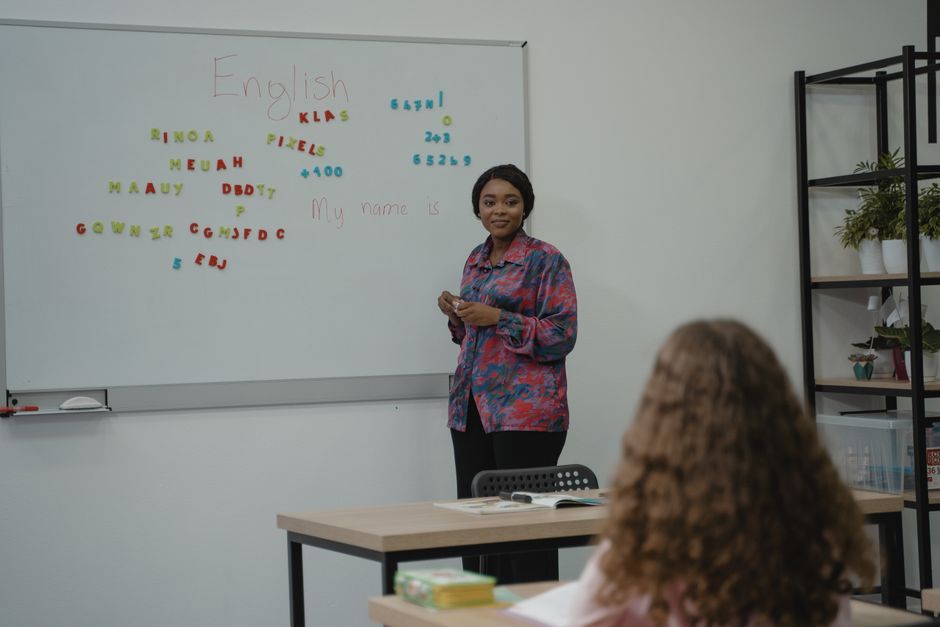
- News websites and online newspapers
- Social media platforms and online forums
- Podcasts and online radio shows
- YouTube videos and TED talks
According to recent statistics, over 70% of ESL teachers use authentic materials in their classrooms, and report an increase in student engagement and motivation. As a teacher, it's essential to be aware of the different sources of authentic materials available, and to be able to adapt and modify them to suit the needs of your students. So, you'd be surprised at how much of a difference it can make."Using authentic materials is a great way to bring the real world into the classroom, and provide opportunities for students to engage with real-life language and contexts."
— Jane Smith, ESL Teacher
Assessing Student Progress in English Conversation Classes
Assessing student progress - it's an essential part of teaching English conversation classes, really. As a teacher, you need to be able to evaluate your students' language abilities, and provide feedback and guidance to help them improve. In my experience, I've found that it's essential to use a range of different assessment methods, including:- Formal tests and exams
- Informal assessments and quizzes
- Peer assessment and self-assessment
- Classroom observations and feedback
As a teacher, it's essential to be able to provide constructive and supportive feedback, and to help your students set goals and targets for their language learning. You also need to be able to use assessment to inform your teaching, and make adjustments to your lessons and activities to better meet the needs of your students."Assessing student progress is not just about evaluating their language abilities, but also about providing feedback and guidance to help them improve and develop as learners."
— John Taylor, ESL Teacher Trainer
Common Challenges in Teaching English Conversation Classes
Teaching English conversation classes - it can be challenging, to say the least. There are many common pitfalls and obstacles that teachers may encounter. In my experience, I've found that some of the most common challenges include:- Dealing with large classes and mixed-level students
- Managing classroom dynamics and encouraging student participation
- Providing opportunities for students to practice using language in context
- Assessing student progress and providing feedback and guidance
Conclusion and Next Steps for Teaching English Conversation Classes
Teaching English conversation classes - it's a rewarding and challenging profession, really. There are many different approaches and methods that teachers can use. As a teacher, it's essential to be aware of the different methods and approaches available, and to be able to adapt and modify them to suit the needs of your students. You also need to be able to create a sense of trust and rapport with your students, and establish a positive and supportive learning environment.If you're interested in learning more about teaching English conversation classes, I recommend checking out our courses at our courses or exploring our course packages. With the right training and support, you can become a confident and effective teacher of English conversation classes, and help your students achieve their language learning goals. So why not take the next step, and start your journey as a teacher of English conversation classes today? I mean, what's holding you back?"Teaching English conversation classes is not just about teaching language, but also about creating a sense of community and collaboration in the classroom, and providing opportunities for students to develop as learners and individuals."
— James Thornton, TEFL Course Director at UK TEFL Institute
James has been involved in TEFL training for over 12 years. A Cambridge CELTA trainer and former British Council examiner, he ensures our courses meet the highest international standards while remaining accessible to aspiring teachers worldwide.