

The Rise of Digital Nomad English Teachers
The idea of teaching English used to make people picture chalk-stained whiteboards in old classrooms in Bangkok, or those buzzing groups of teens you’d find in Barcelona. But not anymore. These days, honestly, I keep meeting teachers who run full schedules from a bamboo hut in Koh Lanta, a bustling café in Lisbon, or even a campervan tucked away somewhere in the Scottish Highlands. The whole “digital nomad English teacher” thing isn’t just for a tiny crowd now - it’s fast becoming the go-to route for anyone after a bit of freedom and adventure. So, why’s it taking off? Well, the demand for English hasn’t exactly dropped. The real game-changer is how we deliver lessons. Fast (and much more reliable) internet - in spots that, ten years back, barely managed dial-up - now lets students and teachers link up from pretty much anywhere. Suddenly, there’s no need to stick to a language school’s rigid timetable or even one city.- Online ESL platforms have popped up everywhere, offering everything from 1-to-1 business English for CEOs to fun group classes for kids in China.
- Loads of countries now have friendlier visa schemes for remote workers, since they’ve figured out digital nomads give the local economy a decent boost.
- Covid-19, for all its downsides, gave millions a taste of working from home - now, both teachers and students often prefer the online set-up.
- Tech gear is cheaper too. Setting up a solid online “classroom” now takes a laptop, a headset, and a decent ring light - honestly, that’s less than a week’s wages for most teachers.
Requirements for Teaching English Online While Travelling
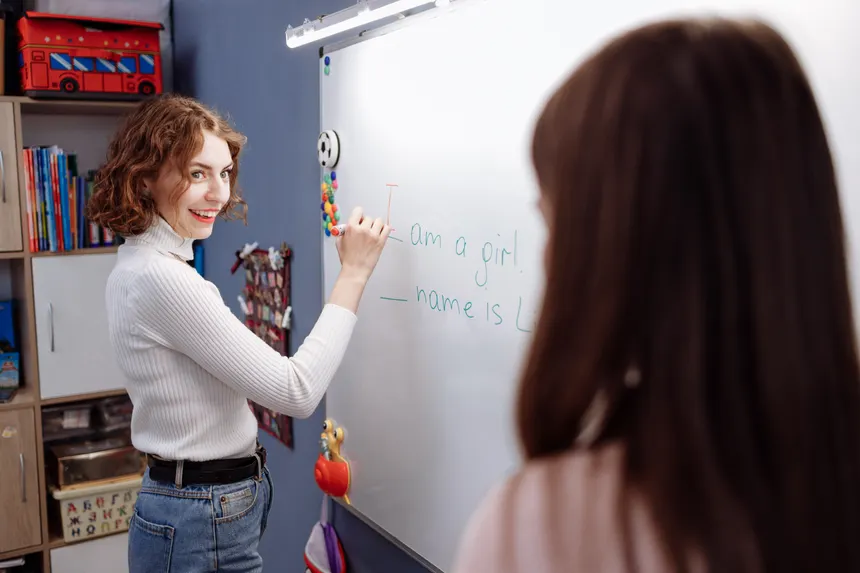
So, what do you actually need to get started as a digital nomad English teacher? Some people think you just need to speak English, sign up, and you’ll start getting paid. I wish it worked like that. To be fair, the most successful teachers I’ve met have a mix of qualifications, digital know-how, and the right set-up. Let’s break it down, step by step. Most legit platforms expect you to have:- A reputable TEFL certificate (120 hours is basically the minimum - CELTA or one of our UK TEFL Institute courses gives you much more credibility, and you’ll feel more confident starting out).
- Native or near-native English skills. Some platforms care about your passport, others just want to hear how you speak.
- A degree (not always essential, but it does help, especially if you want better pay or business clients).
- Basic IT skills. You’ll need to use Zoom, Skype, or their own platforms, so you should be able to share screens, upload files, and sort out tech issues without panicking.
- Laptop or desktop computer (most places won’t let you use a phone or tablet, and for good reason)
- Decent headset with a proper microphone (background noise can really ruin a lesson, especially with younger kids!)
- Webcam (built-in is alright, but an external HD one can make you look a lot more professional)
- Stable, fast internet connection (as a rule, you want at least 10Mbps up and down - test before you commit)
- Good lighting and a tidy, distraction-free background
Top Platforms and Companies for Digital Nomad TEFL Jobs
Not all online teaching gigs are made equal. Some give you total flexibility, some pay more but expect you to stick to stricter rules. Over a few years, I’ve tried everything - big name companies, quirky micro-platforms, pure freelance. Each one has its own personality. Here’s a quick rundown of some of the main options (and what makes them different):| Platform/Company | Typical Pay (GBP/hour) | Key Features |
|---|---|---|
| VIPKid | £12-£20 | Focus on young Chinese learners, fixed schedule, degree required |
| Preply | £8-£25+ | Set your own rates, global students, flexible hours |
| italki | £8-£30+ | Marketplace model, you build your brand, varied students |
| Cambly | £8-£10 | Casual conversation, no degree needed, instant bookings |
| EF English First (Online) | £10-£15 | Structured curriculum, regular hours, degree preferred |
If you’re new, honestly, try using two platforms at the same time. Just don’t make the rookie mistake I did and end up double-booked - it’s not fun explaining to two students at once why you’re late."The key is to match your own working style and time zone to the platform's student base. Flexibility is great, but structure can help you build a consistent income."
- Rachel Li, Online TEFL Consultant
Comparing Destinations - The Best Countries for Digital Nomad Teachers
Landed a job? Now, where should you go? The “perfect” place has brilliant internet, a decent cost of living, and easy visas. But let’s be real - that’s not always how it pans out. Some cities have flawless Wi-Fi, but you’ll burn half your pay on rent. Other places are super cheap, but then you’ve got to deal with blackouts or power cuts. Let’s have a look at a few popular spots and why they get so much love:| Country | Internet Quality | Visa Options for Digital Nomads | Cost of Living (per month, GBP) |
|---|---|---|---|
| Portugal | Excellent, especially in Lisbon/Porto | Digital nomad visa (D7); EU passport holders no restriction | £900 - £1,400 |
| Thailand | Very good in cities/islands | Tourist visa + extensions; new digital nomad schemes emerging | £600 - £1,000 |
| Mexico | Reliable in cities; variable in rural areas | Temporary resident visa (up to 4 years) | £700 - £1,200 |
| Georgia | Good in Tbilisi/Batumi | One-year visa-free for many nationalities | £500 - £900 |
| Spain | Excellent in most cities | Digital nomad visa; Schengen for EU citizens | £950 - £1,400 |

Setting Up Your Digital Classroom for Success
Your laptop is your whole classroom these days, but students still expect things to look and sound professional - even if you’re teaching from a spare room in Bali. A good setup honestly makes a world of difference, both for your students and your own stress levels. I can’t count how many times an ugly background or harsh shadows lost teachers repeat bookings. Here’s what I always tell new teachers about “classroom” setup:- Pick a quiet space where nobody (or nothing) is likely to interrupt. Even the slickest lesson falls apart if a neighbour’s dog is barking every few minutes (I once had a rooster join my lesson in Chiang Mai - it became a running joke with the students).
- Lighting’s a big one. Natural light is perfect, but if that’s not an option, grab a ring light or a bright desk lamp and shine it at your face, not from behind.
- Background? Keep it simple. A tidy wall, a bookshelf, or even a plain sheet does the job. Clear away any clutter or anything that could steal your students’ attention.
- Test everything before your lesson: camera angle, sound, and - most important - your internet.
- Props help, especially with younger students. Flashcards, mini-whiteboards, or any real objects you can grab make a huge difference.
Expert Insights - Navigating Challenges as a Digital Nomad Teacher
Let’s be real: teaching as a digital nomad isn’t just endless sunsets and smoothie bowls. There are tough parts, and you’ve got to get on the front foot if you want to make it more than just a short holiday job. Time zones, for a start, can be a right pain. If your main clients are in China but you’re in South America, you’ll soon find yourself teaching in the middle of the night or missing key hours. Internet can be patchy, especially outside cities or during local celebrations (I still remember a thunderstorm taking out my lesson in Penang - not my proudest moment). And, let’s not forget, sometimes online students - especially kids - will zone out if your lesson’s not lively. Did you know? The British Council did a survey in 2023, and 71% of online English teachers said their biggest headache was dodgy internet. But, on the flip side, 68% reckoned that the freedom and chance to travel made up for all the hassle.A few things that really help:"Effective digital nomad teachers are problem-solvers. They plan for tech hiccups, adapt quickly to new environments, and keep their lessons interactive, no matter where they are."
- Michael Foster, Academic Director, UK TEFL Institute
- Build in a buffer between lessons for tech issues or travel hiccups.
- Keep some “offline” lesson plans up your sleeve for those days on a mobile hotspot.
- Play games, use quizzes, try virtual whiteboards - anything keeps students engaged when you’re not sitting face-to-face.
Maximising Earnings and Career Growth in Digital Nomad TEFL
So, once you’ve got your digital teaching life up and running, how do you actually earn more and keep your career moving? The world of online TEFL is competitive, but there’s loads of space if you know how to stand out. From what I’ve seen, the highest earners aren’t always the native speakers or the ones with the “best” degrees. They’re the folks who:- Offer specialised classes - think IELTS prep, business English, teaching kids, or pronunciation bootcamps
- Build a proper personal brand: smart profiles, student testimonials, some social media magic
- Keep learning: new teaching tricks, tech tools, or even adding another qualification with our courses
- Deal directly with clients where possible, so you save on platform fees
- Sell extras: eBooks, worksheets, or even recordings of their best lessons
Be smart with your working hours too. Open up your calendar for your students’ “peak” slots instead of picking hours at random - you’ll fill up much quicker."Online TEFL isn’t just a job, it’s a business. Treat it like one: track your income, invest in your skills, and always be thinking about how you can add value."
- Susan Evans, Senior TEFL Trainer
How to Start Your Digital Nomad English Teaching Journey Today
If the idea of teaching from your laptop while exploring new countries sounds good, don’t hang about waiting for the “right moment.” Online English teaching isn’t slowing down, but people who get started early end up with the best gigs. Step one’s simple: get qualified. You’ll want a TEFL certificate, ideally over 120 hours (ours at the UK TEFL Institute fit the bill, by the way). Not sure which one? Just take a look at our course packages and see which fits.James has been involved in TEFL training for over 12 years. A Cambridge CELTA trainer and former British Council examiner, he ensures our courses meet the highest international standards while remaining accessible to aspiring teachers worldwide.