

Understanding Cultural Sensitivity in TEFL Classrooms
Here’s the thing: cultural sensitivity isn't just a trendy line for your CV. It's a real, ongoing awareness that every student in your classroom comes with their own set of beliefs, values, and expectations. Ignore that, and honestly, you'll risk not just a few awkward moments - you could end up blocking real progress. I remember my first teaching job in Hangzhou (fresh out of uni and thinking I had it all sorted). I tried a lesson on weekend activities that completely fell flat. I had no clue that half my students weren't comfortable talking about their family life because of cultural reasons, and there I was, charging ahead as if everyone was on board. You could feel the awkwardness hit the room instantly. But what does being culturally sensitive really look like? Well, it’s mostly about noticing, respecting, and adjusting to cultural differences - especially when those differences change how students learn, join in, or express themselves. It’s not just “don’t stereotype.” It’s paying attention to what isn’t being said, staying curious, and seeing everyone in your class as a unique human being. Why is this such a big deal in the ESL classroom? Here’s what you stand to gain (or lose):- Student engagement: When students see their background matters, they get more involved and feel safe enough to take risks. Makes all the difference.
- Classroom harmony: Less confusion. More trust. And I’ve seen it plenty of times - it really works.
- Better outcomes: Students who feel noticed just learn better. Sure, you can measure it in grades, but the real win is how their confidence grows.
- Professional growth: If you build up cultural sensitivity, you’re instantly more adaptable, confident, and, to be honest, way more appealing to schools everywhere.

Common Cultural Challenges TEFL Teachers Face Worldwide
Doesn’t matter where you teach - at some point, you’ll run up against cultural differences. Sometimes you’ll see it coming (like everyone arriving “late” by your standards), and sometimes it creeps up on you. Like a student who never wants to speak out, or a topic that just doesn’t work. One thing I learned fast in a rural Korean secondary school was how even simple activities could get unexpectedly tense. For students used to valuing group harmony above all, being asked to “argue” felt less like learning and more like breaking the rules. So what cultural challenges crop up most often?- Communication styles: Some cultures are all about being direct; others prefer hints and subtlety. Reading between the lines is a real skill.
- Attitudes towards authority: In certain places, students might challenge you openly; in others, even asking a question could feel rude to them.
- Views on mistakes: Is making errors a normal part of learning, or is it embarrassing? Depends where you are.
- Gender roles: Sometimes you need to change up seating, group tasks, or even how you interact, depending on expectations about gender.
- Taboo topics: In some classrooms, things like family, politics, relationships, or religion are totally off the table.
- Time and punctuality: What’s running late in Madrid might be showing up early in Tokyo. I’m not joking!

Comparing Cultural Norms in Popular TEFL Destinations
Every country (okay, nearly every school) comes with its own stack of rules and “norms” - some posted on the wall, some never spoken at all. Thinking about teaching in China, Spain, or Saudi Arabia? "Normal" shifts a lot. In China, teachers are respected, but students usually won’t speak up or question authority. When I taught in Hangzhou, hardly anyone volunteered in class, even when they knew the answer. Spain was like a different world: classrooms felt lively, chatty, sometimes a bit wild. Students loved to debate - with each other and with me. Saudi Arabia? Whole different game. Gender separation, religious routines, and a certain formality shape everything from lesson plans to how you say hello. Let’s look at a few side-by-side examples:| Country | Typical Classroom Etiquette | Cultural "Watch Outs" |
|---|---|---|
| China |
|
|
| Spain |
|
|
| Saudi Arabia |
|
|
Practical Tips for Fostering Inclusivity in Your ESL Classroom
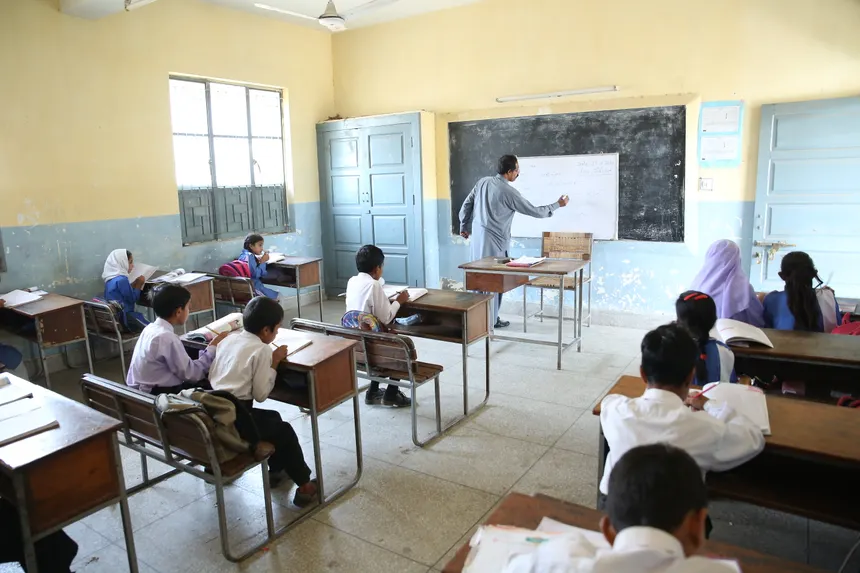
You can't just put up an “All Are Welcome” poster and call it a day. Inclusivity is something you work into every lesson, every chat, everything. Early on in my South Korea job, I thought “inclusivity” meant every student got a turn to speak. But after a few weeks, I realised, for some, that was more like a punishment. Not everyone likes being put on the spot. So how do you create a classroom where every single student - no matter their background - feels like they belong?- Set clear expectations: Spell out your rules, routines, and your own role right away. Never assume students “just know.”
- Celebrate diversity: Bring in international ideas, stories, and let students share their own customs and languages.
- Adapt participation: Give plenty of ways to join in: pairs, small groups, writing, speaking. Don’t force everyone to speak up if it’s not comfortable for them.
- Be aware of materials: Watch out for bias or stereotypes in textbooks and images. Bring in real items from different cultures.
- Model curiosity: Admit when you’re unsure about a student’s culture. Ask honest questions. Show you really want to learn.
- Handle missteps openly: If someone gets offended or there’s a misunderstanding, talk about it honestly. Apologise if it’s needed.
Adapting Lesson Plans for Cultural Sensitivity and Engagement
Honestly, the most skilled TEFL teachers I’ve met are like chameleons with their lesson planning. A worksheet that gets students buzzing in Manchester might absolutely flop in Shanghai. Making your lessons fit the local context isn’t about making them boring - it’s about making them richer, more relatable. For example, I’ve swapped UK Christmas traditions for local holidays, tweaked role plays to dodge sensitive topics, or changed all my sports metaphors after a student in Busan asked, “What’s cricket?” The students always notice when you try to make lessons fit them. They appreciate it - you can see it in their faces.- Audit your topics: List what might be sensitive, like religion, gender, family, or politics, before you plan lessons.
- Offer choices: Let students pick from a few different topics for talks or projects.
- Localise content: Use names, places, and examples from your students’ world, not just your own.
- Check for bias: Avoid teaching as if everyone celebrates the same holidays, eats the same foods, or has the same home life.
- Encourage peer input: Invite students to suggest their own topics or bring in material from their own culture.
- Be flexible: If a lesson upsets someone, don’t just keep going. Pause and talk about why, then adapt.
Expert Insights: The Impact of Cultural Awareness on Student Success
So does this focus on cultural awareness really pay off? The short answer is yes - both research and loads of teachers at UK TEFL Institute have shared story after story about breakthroughs that only happened when they started tuning in more closely to their students’ cultures. A British Council survey from 2022 showed that ESL students in culturally aware classrooms reported about 30% higher satisfaction, and were twice as likely to speak up in class. That’s not just a statistic - that’s real improvement you can see every day.Plus, it’s not just about happier students. They learn more, stick with their courses, and actually recommend their schools to friends."Cultural sensitivity isn't about walking on eggshells. It's about creating a space where every student feels their voice matters, no matter where they're from. I've seen shy students blossom when lessons reflect their world."
- Sarah Morton, Senior Trainer, UK TEFL Institute
It’s easy to spend too much energy on grammar and testing targets. But, honestly, in my experience, students remember the lessons where they felt understood - not just the grammar drills. That’s what keeps them coming back."The best English teachers I know constantly ask themselves, 'Whose stories are we telling in this lesson?' When you make room for every student's story, learning happens faster and deeper."
- Jamal Al-Farsi, EFL Programme Director
Voices from the Field: Real Stories of Overcoming Cultural Barriers
If you’re worried about messing up, you’re definitely not alone. Every teacher I know has a “foot in mouth” story from those first few months. The goal isn’t to never slip up - it’s to keep learning from what happens. When I first arrived in Suzhou, I set up a “family tree” activity. After a while, one girl quietly told me her mum had died, and the lesson was making her sad. I felt terrible. So the next day, I switched it to “famous families” and let everyone choose. Problem solved - instantly lighter mood. A fellow teacher, Tom, told me this:And sometimes, your students end up teaching you. In a Barcelona class, a student brought in traditional sweets to share. What started as a quick snack turned into a “cultural show and tell” that taught me more than any textbook ever could. Honestly, it’s not about being perfect. It’s about being open, apologising when you slip, and showing your students you’re human, too."In Riyadh, I once gave out an image of a mixed-gender party as a speaking prompt. I didn’t realise how inappropriate it would seem. My students were polite, but silent. Later, a colleague explained why. Now, I always double-check my materials and ask local staff for advice."
- Tom H., ESL Teacher, Saudi Arabia
Start Your TEFL Journey with Confidence in Cultural Sensitivity
If teaching English abroad is on your wish list, here’s my advice: cultural sensitivity isn’t just some skill - it’s your secret weapon. It’s how a random collection of strangers becomes an actual community. Plus, it’s what makes teaching feel meaningful, not just like a job. The great part? You absolutely can build this skill, with good training and a bit of willingness to listen. At UK TEFL Institute, we put cultural awareness at the heart of our courses, from lesson planning to managing your classroom. Again and again, grads tell us it’s what helped them succeed where others might struggle. If you’re ready to build confidence and truly make a difference, check out our course packages and start your TEFL journey with cultural sensitivity front and centre. Your students - and your future self - will be so glad you did.Emma specialises in helping TEFL graduates find rewarding teaching positions worldwide. With a network spanning 40+ countries and personal teaching experience in China, South Korea, and Spain, she provides invaluable guidance for career starters.