

What You Need to Teach English Online from Home
Ever stopped and wondered what you *actually* need to start teaching English online from home? If you have, you’re definitely not the only one. Back when I organised my first online lessons in Brighton, I honestly didn’t expect just how much proper prep could smooth things out. Here’s the good news: you really don’t have to be a tech genius or own a fancy sound booth. I’d say you can split the basics into three main areas: you’ll need to sort technical stuff, educational bits, and of course, a few personal qualities. Let’s break down what matters in each category.- Reliable computer or laptop - You don’t need anything flashy, but it should be able to handle video calls and sharing files without freezing up. Most recent laptops are fine for this, in my experience.
- Stable, high-speed internet connection - Honestly, this bit isn’t up for debate. You want at least 10Mbps download/upload for lessons that don’t glitch out (the more, the merrier).
- Good quality headset with microphone - Skip your laptop’s built-in mic. Students have to hear you (and you need to hear them). A noise-cancelling headset really makes a difference - I’ve seen it turn a choppy session into a great one.
- Webcam - Most places want you to be on camera. Clear video helps grow trust and makes lessons feel real.
- TEFL certification - To be fair, most well-known online platforms want you to have at least a 120-hour TEFL certificate. British credentials always look good. Don’t have one yet? Our courses are put together for just this reason.
- Native or near-native English proficiency - Loads of platforms look for this. If English isn’t your first language, you’ll need to show you’re pretty close to native level.
- Legal right to work as a freelancer/contractor - Depending on your country, you might need to register as self-employed, or check your local tax rules. Boring but essential.
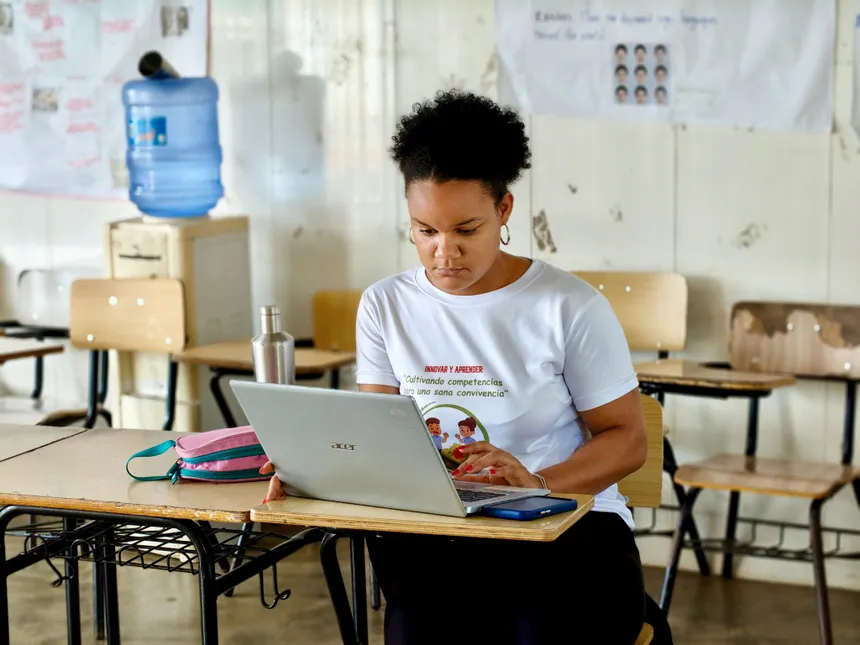
Setting Up Your Home Classroom for Online English Teaching
Your teaching space at home is basically your stage. You’d be surprised how much a good setup can affect your mood and your students’ first impressions. I once attempted to teach in a cramped kitchen nook in Glasgow, surrounded by the clang of dishes and people passing by. Never again - lesson learned. So, what does a decent online teaching space include? Here’s my two pence:- Quiet location - Pick the spot furthest from noisy housemates and distractions. If you can close a door, do so. Makes a huge difference.
- Neutral, uncluttered background - A blank wall or tidy bookshelf works best. Avoid piles of laundry or wild posters in the background (I learned that the hard way in my early days).
- Good lighting - If you’ve got daylight, brilliant. If not, pop a lamp behind your camera. Try not to sit with a window right behind you or you’ll just turn into a silhouette.
- Ergonomic seating - Seriously, you’ll thank yourself. A comfy chair and proper desk height save your back, even if you only realise it after a marathon teaching week.
- Organised teaching materials - Keep your props, cards, and books within easy reach. Also, make sure your digital files are tidy and quick to pull up in a pinch.

Top Platforms for Teaching English Online Compared
Picking where to teach can feel a bit overwhelming at first. When I started out, I actually signed up for three platforms in one week just to see what fit (truth is, some were definitely not a match for me). Each one has its own quirks - different requirements, pay rates, and ways of working. Here’s a quick side-by-side look at some of the biggest online English teaching platforms for 2024:| Platform | Requirements | Typical Pay Rate | Key Features |
|---|---|---|---|
| VIPKid | Bachelor’s degree, TEFL certificate, native English speaker | £12-£18/hour | Kids aged 4-12, set curriculum, North American accent preferred |
| Preply | TEFL/TESOL, teaching experience preferred | £10-£25/hour (you set rates) | All ages, flexible schedule, tutor marketplace |
| iTalki | TEFL certificate, proficiency proof | £8-£30/hour (you set rates) | Global student base, one-to-one lessons, flexible |
| Cambly | Fluent English speaker, no degree required | ~£8-£11/hour | Adults and kids, casual conversation focus, instant bookings |
| EF English First | Bachelor’s degree, TEFL certificate, UK/US/Canada citizen | £12-£16/hour | Adults and teens, structured lessons, regular hours |

How to Find the Best Students and Build Your Online ESL Reputation
Getting motivated students isn’t just luck. It’s part art, part strategy. If you think just signing up to a platform is enough, well, actually... it’s not. The teachers who really stand out are the ones who build their own reputation and put in the work to keep students coming back. So, what actually helps? Start with your profile. Use a friendly, clear headshot. Write a bio that isn’t stiff - share your teaching style, any special interests, and a bit about you. In Budapest, I noticed that mentioning my business English background brought in more professionals. In Prague, though, parents liked my playful approach with children. Little details matter.- Ask for reviews - Don’t be shy. Gently ask students for feedback, especially if you’re just starting out. Good reviews can work wonders for your bookings.
- Specialise - Focus on something (IELTS, business English, conversation) to attract students who need that area. Makes you stand out.
- Be responsive - Reply quickly when students message you. It really does make people pick you over someone slower.
- Share resources - Pop up a quick video, tip, or worksheet on your profile. It shows you actually care and go beyond the basics.
- Network with other teachers - TEFL groups online (our own alumni group at UK TEFL Institute is great for this) offer support and sometimes student referrals too.
"The most successful online teachers treat each student as a long-term relationship, not a one-off transaction."
- Dr. Sarah Mitchell, UK TEFL Institute
Lesson Planning and Classroom Management in the Virtual Space
Putting together fun, useful lessons online isn’t just about sending over a worksheet and hoping the silence isn’t awkward. I remember my first group of teens in Seoul: cameras off, no one talking - it was brutal. And I suddenly realised I needed new tricks. Truth is, it’s not the same as teaching in-person, but with a few tweaks, it absolutely works. Aim for clear goals and keep things moving. I like to switch regularly between tasks - get them speaking, then listening, then reading or writing, and then back again.- Break lessons into short segments - Activities of 5-10 minutes stop people zoning out. It really helps.
- Use the chat box creatively - Great for spelling, quick checks, or for students who’d rather type than talk.
- Leverage online tools - Platforms like Google Docs or Jamboard let your students work together, even from different countries.
- Set digital homework - Online quizzes or worksheets keep the learning going between sessions.
- Encourage student talk time - Breakout rooms, role plays or peer feedback are brilliant for getting everyone talking (not just you).
Most importantly, be ready to change things up. If tech fails, switch plans. If kids look half asleep, throw in a quick game or chat. The best online teachers I know are flexible - and don’t take themselves too seriously."Online teaching requires you to be both a facilitator and a guide. The more structure and variety you build in, the more your students will engage and progress."
- Louise Taylor, Senior Trainer, UK TEFL Institute
Overcoming Common Challenges When Teaching English Online
Even with the best prep, things will go sideways sometimes - guaranteed. I’ve had lessons from hotel rooms in Barcelona with WiFi that cut out, and once had a wild Devon storm take down my power. Nearly every online teacher has a drama story. Or two. So what are the usual headaches - and how do you fix them?- Technical issues - Internet drops, audio problems, random platform errors. Always have a Plan B (like a mobile hotspot, another app you can switch to, or lesson materials you can send by email).
- Student motivation dips - Easy to spot with kids or anyone after a long day. Use games, polls, or get everyone to stand up and move for a minute. Makes a massive difference.
- Time zone confusion - This catches even experienced teachers. Double-check your lesson times, especially if your students are far away. Shared online calendars can save the day.
- Distractions at home - Everyone’s got them, teachers and students alike. Set your ground rules, but also try to be understanding. Life happens.
"Online teaching is about preparation and quick thinking. The best teachers focus on solutions, not blame, when things go wrong."
- Dr. Sarah Mitchell, UK TEFL Institute
Industry Insights: Online TEFL Job Trends and Opportunities in 2024
Online English teaching has changed a lot over the last couple of years. In 2024, there’s still loads of demand worldwide, but it’s shifting. More students want focused lessons - like exam prep or business English - or teachers who are comfortable with digital tools. UK-based teachers have a real edge, especially for business and exam classes, thanks to the reputation of British training. According to the British Council, online English learners jumped up by about 18% in 2023, with adults making up most of that growth.- Average pay rates: £10-£25/hour depending on platform and what you specialise in
- Most in-demand skills: online classroom tools, exam prep (IELTS, Cambridge), business English
- Flexible schedules: around 65% of teachers pick their own hours
So whether you’re after a bit of extra money or something full-time, there’s plenty of room to grow. Flexible hours, all sorts of students, and that feeling of connecting across borders - honestly, it never gets old."Online TEFL isn’t a stopgap. For many, it’s a sustainable, rewarding career that fits around family, travel, or other commitments. The key is to keep upskilling and stay connected to the community."
- Dr. Sarah Mitchell, UK TEFL Institute
Start Your Online TEFL Journey: Next Steps for Aspiring Teachers
If teaching English online is your goal, don’t wait around for the “perfect” time to get started. Sort your certification first - a 120-hour TEFL course is what nearly every platform asks for, and it opens the door to better pay. At UK TEFL Institute, we’ve seen thousands go from studying to teaching online in well under three months. After you’re certified, get your teaching space sorted, research a couple of platforms that match your style, then start building your profile. Don’t worry about getting everything perfect. You’ll learn far more from your first ten lessons than you will from weeks of reading guides (even, I’ll admit, guides like this one).So, are you ready? The world’s full of English learners waiting for a good teacher - and your living room might just be the next best classroom out there."The most important step is simply to begin. Take the plunge, get certified, and open that first virtual classroom door. The rest you’ll learn as you go."
- Dr. Sarah Mitchell, UK TEFL Institute
Dr. Mitchell brings over 18 years of experience in English language education. Having taught across Europe and Asia, she leads our curriculum development with a focus on practical, classroom-ready methodologies grounded in British educational tradition.