
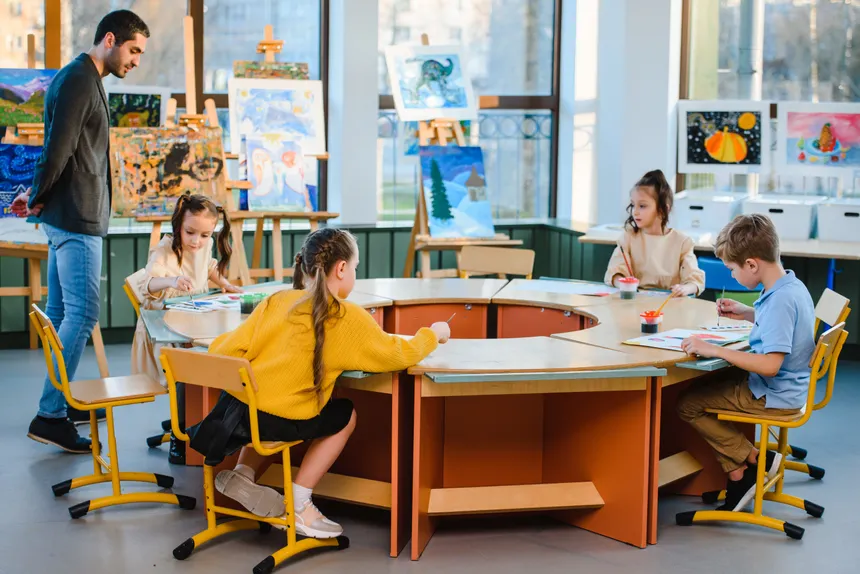
Why Games Boost English Learning for Young Students

- Motivation: Games make lessons exciting. Kids actually want to jump in and practise their English.
- Engagement: When students play, they focus way more than they do with endless worksheets or drills.
- Language Retention: Games sneakily repeat words and grammar, helping them stick for good.
- Collaboration: Loads of games need teamwork, so kids pick up social skills alongside language.
- Confidence: The pressure’s off. Games let kids mess up, try again, and really use new words without stress.
So if you’re hoping for more energy, better focus, and memories that stick, games are absolutely your secret weapon. And in the next bits, I’ll show you exactly how to make them work in your classroom."Children learn best when they’re relaxed and having fun. Games are not just a break from learning - they are learning."
- Dr. Susan Halliwell, Early Years Language Specialist
Top 7 Classic ESL Games for Young Learners
Back when I was teaching in Hangzhou, I learned pretty quickly that having a few favourite games in my pocket was better than any pile of worksheets. The best games? They’re simple, you can adapt them for any class, and, to be fair, they’re just plain fun. Here are seven classics that teachers from London to Lima swear by:- Simon Says: Brilliant for practising verbs and classroom instructions. Mistakes just add to the laughs!
- Flashcard Race: Stick flashcards around the classroom, shout out a word, and let the kids race to the right one.
- Hot Potato: Pass a ball or toy while the music goes. When it stops, whoever’s holding says a word or answers a question.
- Bingo: Perfect for listening and vocab. You can mix it up with numbers, pictures, or sounds.
- Memory Game: Flip the cards and try to match pairs. If they get one, they have to say the words out loud too.
- Charades: Best for actions, animals, or routines - no talking, just acting!
- Hangman: Old but gold for spelling and vocab review. Stick with easy words and let them team up.
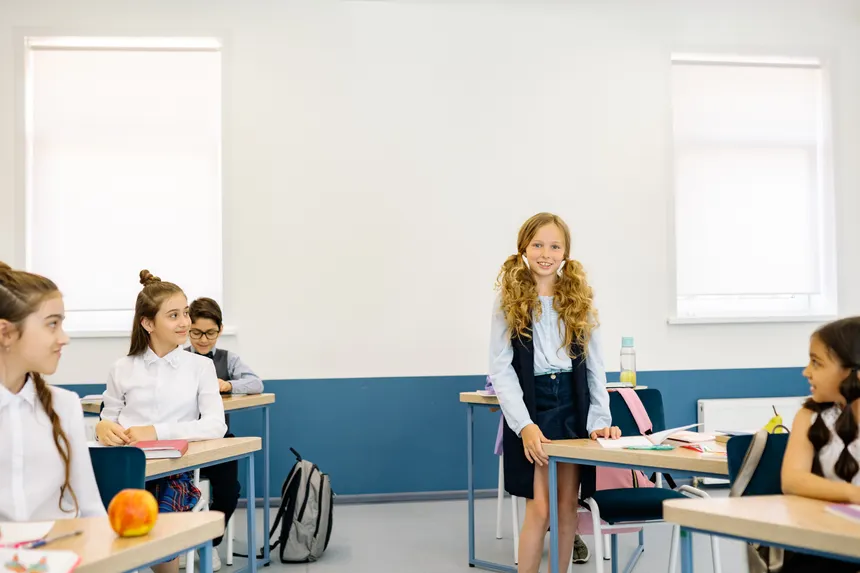
- Got a room full of hyper kids? Go for ‘Flashcard Race’ or ‘Hot Potato’.
- Low energy or tight on space? Try ‘Bingo’ or ‘Memory Game’.
- Want to go over new vocab? ‘Hangman’ and ‘Simon Says’ always work.
Creative Classroom Activities Beyond Traditional Games
Don’t get me wrong, games are fantastic, but English lessons really come alive when you blend in other creative activities too. Some of my best teaching memories from China are just of us belting out ‘Head, Shoulders, Knees and Toes’ or the time kids came up with the silliest puppet stories. Here are a few ways to bring more creativity into your room:- Songs and Chants: Catchy rhymes are made for vocab and pronunciation. Repeating through music sticks words in kids’ brains.
- Storytelling: Whether you’re reading, using puppets, or having kids act, stories work wonders for comprehension and sequencing.
- Role-play: Set up a mini ‘shop’ or ‘restaurant’ and let kids try out real-life conversations.
- Art and Craft: Drawing, colouring, making props - it all helps! Designing a wacky monster and describing it in English is hilarious every time.
- Total Physical Response (TPR): Mix up movement with language. It’s basically ‘Simon Says’ on turbo mode - listening and acting together.

- Switch up between moving, singing, and making things so everyone finds something they love.
- Bring in props - hats, toys, whatever you can get your hands on. The more real, the better.
- Let students take the lead sometimes. The “teacher” or narrator role is a hit.
Comparing Game-Based Methods for ESL: Which Approach Works Best?
You might be thinking, is it best to stick to the classic games, or jump into music and stories? Well, actually, there’s no magic formula - different groups need different tricks. So here’s how the main methods stack up side by side:| Method | Best For | Considerations |
|---|---|---|
| Traditional Games (e.g. Simon Says, Bingo) | Quick vocabulary review, energising a restless class, group bonding | May not suit shy students; needs clear instructions |
| Creative Activities (songs, stories, role-play) | Building confidence, practising real-life language, creative thinking | Takes more prep; some students may need encouragement to participate |
| Digital Games/Resources | Individual practice, homework, remote learning | Requires tech access; screen time limits for young children |
- What’s your room like? Big open space? Perfect for running games. Tighter spot? Card games or crafts might be better.
- Mix things up. Even swapping out just one activity a week keeps lessons fresh.
- Watch your students. What gets them excited? What totally flops?
Digital Resources and Online Games for Engaging Young ESL Students
Let’s be honest - kids today are naturals with tablets and computers. Even though nothing beats a good old ‘Simon Says’ in person, tech can absolutely boost your lessons, especially if you’re teaching online or want to get families involved at home. Here are some of my go-to digital tools and games:- Interactive Flashcards: Animated cards with sound effects turn vocab into something kids want to practise.
- Phonics Games: Apps that help kids play around with sounds and letters - great for beginners who are just learning to read.
- Online Storybooks: Digital stories with voices, pictures, and quizzes built in.
- Digital Whiteboards: Drawing games, doodle quizzes, collaborative stories - the sky’s the limit.
- Video Songs: There are loads of YouTube channels with English action songs. Just hit play and follow along.
Oh, and one thing I learned the hard way: always test new apps before class. I spent a whole 20 minutes in Seville trying to get an online bingo game to work, only to realise the sound was off. Meanwhile, the kids were giving each other doodle moustaches."Digital tools can be a game-changer for young English learners, especially in hybrid or remote settings. But they work best when combined with real-life interaction and movement."
- Louise Carter, TEFL Digital Learning Advisor
- Begin with easy games, and build up to tougher challenges as your students get the hang of things.
- Set boundaries for screen time - young kids need plenty of breaks.
- Use digital games to back up your real-life lessons, not as a replacement.
Classroom Management Tips for Game-Based Learning Success
A buzzing classroom is awesome. But, let’s be fair, things can go sideways in a second when games are on the menu. I’ve lost count of how many times flashcards went flying or chairs tipped over. The trick is making sure all that energy helps kids learn, instead of chaos taking over. Here’s what’s actually worked for me (after plenty of facepalm moments):- Clear Rules: Lay down the rules before you start. Keep it simple - show, don’t just tell.
- Visual Timers: Timers make transitions smoother and help end games before anyone gets bored.
- Team Points: Kids love a bit of friendly competition. But reward effort, teamwork, or creative English - not just winning.
- Classroom Jobs: Assign roles like “referee” or “scorekeeper”. Even shy kids get involved when they have a job.
- Signal for Attention: Bells, claps, even a silly chant (“Magic hands!”). Anything works as long as kids know what to look out for.
A few more tricks from my own classrooms:"Effective management is less about strict discipline and more about clear expectations and routines. When students know what to expect, games run smoothly and everyone learns more."
- Michael Evans, Primary TEFL Trainer
- Change up partners and teams every so often so everyone gets a turn with everyone else.
- Music is magic: when the song stops, everyone pays attention - instant transition!
- Always wrap up with a quick review. “What word did you learn today?” goes a long way.
What the Experts Say: Insights on Games in Young Learner Classrooms
It’s not just me saying this - there’s plenty of research and real-world teacher feedback that backs up using games for young English learners. The case is honestly pretty convincing.Check out these numbers:"Game-based activities not only increase motivation, but also foster natural language use, collaboration, and problem-solving skills in children. The playful context lowers anxiety and builds confidence."
- Dr. Helen Woodward, Lecturer in TESOL Education
- Studies have shown that children using games regularly hold on to up to 40% more vocabulary after a month than those doing just traditional drills.
- From a survey of 500 TEFL teachers (UK TEFL Institute, 2023), 87% said games led to better participation and a happier classroom atmosphere.
- Teachers also spotted a 25% faster boost in speaking confidence among young learners who did role-play and interactive games.
Start Transforming Your Young Learner ESL Lessons with Games Today
So, are you ready to turn your classroom into a hub of laughter, learning, and real English? Try out a new game next time. Or pick a new song, story, or activity from your digital toolkit. Mix things up, see what gets a reaction, and honestly, don’t be afraid to get a bit silly too. Kids love seeing their teachers join in the fun.If you want some extra support, UK TEFL Institute is here for you. Our courses go deep into classroom games, managing lively groups, and creative ways to teach - the stuff that’s backed up by research and real life. You’ll also get to connect with other passionate teachers around the world."Games aren’t an extra - they’re essential. Every successful young learner classroom I’ve seen has play at its heart."
- Emma Chen, UK TEFL Institute
Emma specialises in helping TEFL graduates find rewarding teaching positions worldwide. With a network spanning 40+ countries and personal teaching experience in China, South Korea, and Spain, she provides invaluable guidance for career starters.