
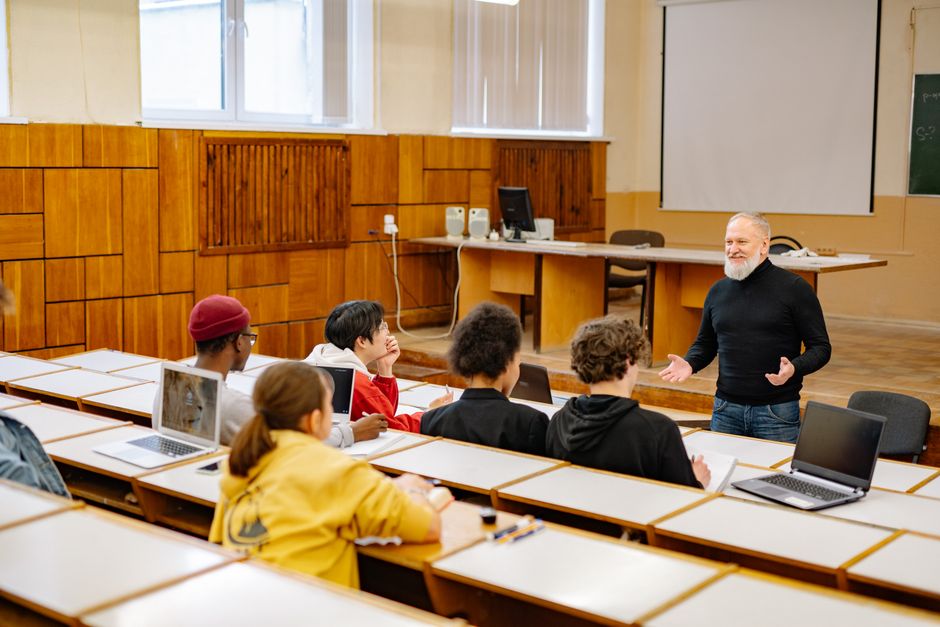
First Week as TEFL Teacher
Introduction to TEFL Teaching Abroad
I still remember my first weeks as a TEFL teacher - what a whirlwind of emotions! Excitement, nerves, and a hint of uncertainty. When I first started teaching in Tokyo, I was struck by the vast cultural differences and unique challenges that came with adapting to a new environment. Your first week as a TEFL teacher will likely be similar - new sights, sounds, and experiences. You'll be navigating unfamiliar surroundings, meeting new people, and adjusting to a different way of life. It's a lot to take in.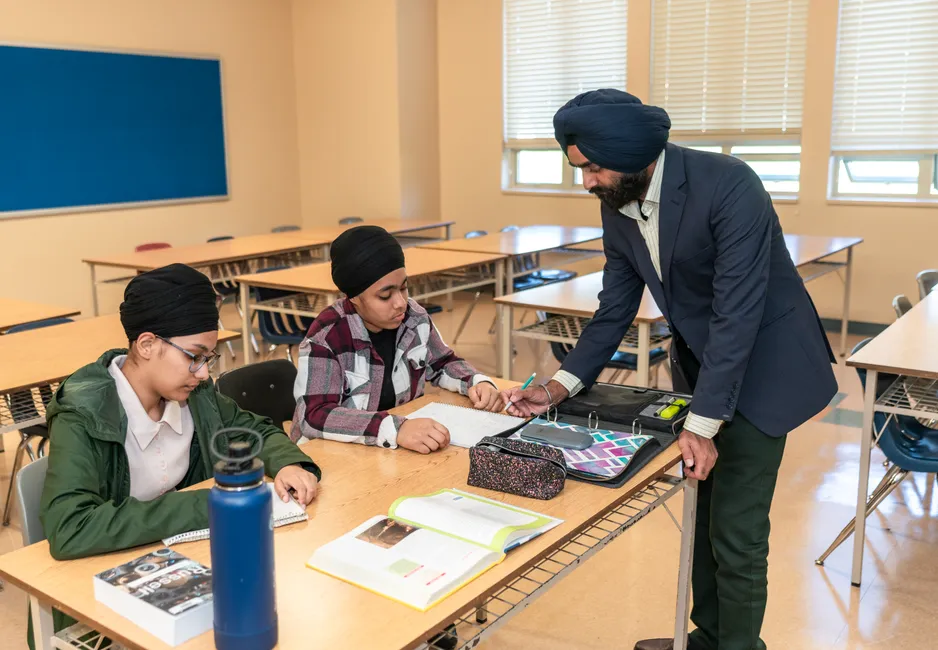
- Induction and orientation: You'll likely receive an introduction to the school, its policies, and the local culture - which is really helpful, by the way.
- Meeting your colleagues: You'll meet the other teachers, administrators, and staff members who will be supporting you throughout your time at the school. They're a great resource, so don't be afraid to ask questions.
- Classroom observations: You may have the opportunity to observe other teachers in action, which can help you get a feel for the school's teaching style and methods. I found this really useful when I was starting out.
- Lesson planning: You'll start planning your first lessons, which can be a daunting task - I'd say it's one of the biggest challenges you'll face. But with the right guidance and support, you'll be well on your way to creating engaging and effective lessons.
Cultural Adjustments for New TEFL Teachers
But, as you navigate your new surroundings, you'll also need to adapt to local customs and ways of life. This can be a challenging but rewarding experience, as you learn to appreciate the unique cultural nuances of your host country. When I taught in Seoul, I had to adjust to a very different teaching style, which was more formal and structured than what I was used to. It was a bit of a shock, to be honest.
Pro Tip: Be open-minded and flexible when it comes to cultural differences, and don't be afraid to ask questions or seek clarification when you're unsure about something. Trust me, it's worth it.
Here are a few tips for adapting to local customs and ways of life:
- Research the local culture: Before you arrive, research the local customs, traditions, and way of life, so you have a better understanding of what to expect. It's not that hard, and it makes a big difference.
- Be respectful: Remember to be respectful of local customs and traditions, even if they differ from your own. It's just good manners, really.
- Learn the language: While you'll be teaching English, it's also a good idea to learn a few basic phrases in the local language, which can help you communicate with your students and colleagues. You'd be surprised how far a little language can go.
- Join local groups: Joining local groups or clubs can be a great way to meet new people and get involved in the local community. I joined a language exchange group in Rome, and it was fantastic.
TEFL Classroom Management Strategies
And, as you start teaching, you'll need to develop effective classroom management strategies to ensure your lessons run smoothly and your students stay engaged. When I taught in Paris, I had to adapt to a very different classroom environment, with larger classes and more limited resources. It was a challenge, but I learned a lot.| Strategy | Description | Benefits |
|---|---|---|
| Positive reinforcement | Encouraging good behaviour with rewards and praise | Improves student motivation and engagement - it's a no-brainer, really. |
| Clear expectations | Setting clear rules and expectations for behaviour | Helps to establish a positive and respectful classroom environment. I've seen it work time and time again. |
| Active learning | Encouraging students to take an active role in their learning | Improves student engagement and motivation - it's a great way to keep them interested. |
- Establish clear expectations: Set clear rules and expectations for behaviour, and make sure your students understand what is expected of them. It's not that hard, and it makes a big difference.
- Use positive reinforcement: Encourage good behaviour with rewards and praise, which can help to improve student motivation and engagement. I've used it in my own classes, and it works well.
- Encourage active learning: Encourage your students to take an active role in their learning, through activities such as group work, discussions, and hands-on tasks. It's a great way to keep them engaged.
Lesson Planning for New TEFL Teachers
So, as you start planning your lessons, you'll need to create engaging and effective lesson plans that meet the needs of your students. When I taught in Madrid, I had to adapt to a very different curriculum, with a focus on communicative language teaching. It was a challenge, but I learned a lot.
Here are a few tips for creating engaging and effective lesson plans:"The key to effective lesson planning is to understand your students' needs and create lessons that are tailored to their interests and abilities."
— Dr. Jane Smith, UK TEFL Institute
- Know your students: Understand your students' needs, interests, and abilities, and create lessons that are tailored to their needs. It's not that hard, and it makes a big difference.
- Set clear objectives: Set clear objectives for each lesson, and make sure your students understand what they will be learning. It's essential, really.
- Use a variety of activities: Use a variety of activities, such as group work, discussions, and hands-on tasks, to keep your students engaged and motivated. I've used them in my own classes, and they work well.
- Encourage student participation: Encourage your students to participate fully in each lesson, through activities such as role-plays, presentations, and debates. It's a great way to keep them interested.
Building Relationships with Students and Colleagues
Look, as you start teaching, you'll also need to build positive relationships with your students and colleagues. When I taught in Amsterdam, I made a conscious effort to get to know my students and colleagues, and to build strong relationships with them. It was worth it, in the end.
Pro Tip: Take the time to get to know your students and colleagues, and make an effort to build positive relationships with them. It's essential, really.
Here are a few tips for building positive relationships:
- Be approachable: Make yourself available to your students and colleagues, and be willing to listen to their concerns and questions. It's not that hard, and it makes a big difference.
- Be respectful: Treat your students and colleagues with respect, and be mindful of cultural and personal differences. It's just good manners, really.
- Be supportive: Offer support and guidance to your students and colleagues, and be willing to help them when they need it. I've been there myself, and it's great to have someone to turn to.
- Be positive: Maintain a positive attitude, and be enthusiastic about your work and your relationships with your students and colleagues. It's infectious, really.
Common Challenges Faced by New TEFL Teachers
But, as you start teaching, you'll also face a number of challenges, from managing classroom behaviour to creating engaging lesson plans. When I taught in Stockholm, I had to adapt to a very different educational system, with a focus on student-centred learning. It was a challenge, but I learned a lot.Here are a few common challenges faced by new TEFL teachers:"The biggest challenge for new TEFL teachers is often the cultural and linguistic differences between their home country and their host country."
— Dr. John Taylor, UK TEFL Institute
- Classroom management: Managing classroom behaviour and creating a positive learning environment can be a challenge, especially for new teachers. I've been there myself, and it's not easy.
- Lesson planning: Creating engaging and effective lesson plans can be time-consuming and challenging, especially for new teachers. But, with the right training and support, you can do it.
- Cultural and linguistic differences: Adapting to cultural and linguistic differences can be a challenge, especially for teachers who are new to TEFL. It's not impossible, though - just be patient and flexible.
- Student motivation: Motivating students to learn and engage with the material can be a challenge, especially for new teachers. But, with the right strategies, you can keep them interested.
Staying Organized and Productive as a TEFL Teacher
So, as you start teaching, you'll need to stay organized and productive, in order to manage your time and resources effectively. When I taught in Helsinki, I had to adapt to a very different schedule, with more emphasis on planning and preparation. It was a challenge, but I learned a lot.
Pro Tip: Use a planner or calendar to stay organized, and make sure to set aside time for lesson planning and preparation. It's essential, really.
Here are a few tips for staying organized and productive:
- Use a planner or calendar: Stay organized by using a planner or calendar to keep track of your schedule and deadlines. It's not that hard, and it makes a big difference.
- Set aside time for planning: Make sure to set aside time for lesson planning and preparation, in order to create engaging and effective lessons. I've found that it's essential, really.
- Prioritize tasks: Prioritize your tasks and focus on the most important ones first, in order to manage your time and resources effectively. It's a great way to stay on top of things.
- Take breaks: Take breaks and practice self-care, in order to avoid burnout and maintain your physical and mental health. It's essential, really - don't forget it.
Conclusion and Next Steps for New TEFL Teachers
And, as you complete your first week as a TEFL teacher, you'll be well on your way to becoming a confident and effective teacher. Remember to stay organized, prioritize your tasks, and take breaks when needed.Here are a few next steps to consider:"The key to success as a TEFL teacher is to be flexible, adaptable, and open to new experiences and challenges."
— Dr. Sarah Mitchell, UK TEFL Institute
- Continue to develop your skills and knowledge: Continue to develop your skills and knowledge as a TEFL teacher, through ongoing training and professional development. It's essential, really.
- Seek support and guidance: Seek support and guidance from colleagues, mentors, and other teachers, in order to overcome challenges and stay motivated. I've found it really helpful, myself.
- Stay positive and enthusiastic: Stay positive and enthusiastic about your work, and maintain a growth mindset in order to continue learning and growing as a teacher. It's infectious, really.
- Consider further training: Consider further training or certification, such as a TEFL certificate, in order to advance your career and increase your earning potential. It's worth it, in the end.
Dr. Sarah Mitchell
Head of Curriculum & Senior TEFL Advisor
Dr. Mitchell brings over 18 years of experience in English language education. Having taught across Europe and Asia, she leads our curriculum development with a focus on practical, classroom-ready methodologies grounded in British educational tradition.