

Understanding TEFL Teaching Abroad: Key Preparation Steps
So, you’re gearing up to pack your bags and jet off to teach English somewhere new. Kind of a thrill, right? But also, let's be real - the nerves are perfectly normal. I’ve watched loads of TEFL grads start off totally wide-eyed (and maybe slightly terrified), but honestly, the journey to confident teacher begins way before you actually board that first flight. If you’re just getting into this, here’s the thing: teaching abroad is never just about what happens in the classroom. It’s about wrangling life in a brand new country, figuring out how to work with your new co-workers, and basically learning to live a whole new way. Quick story - in Hangzhou, China, on my first day, I was so busy stressing about my lesson plan that I forgot my power adapter. Cue me wandering a backstreet, doing embarrassing charades for 'UK plug' at a tiny shop. Wish I could say that was the last time I forgot something obvious. Preparation honestly saves a ton of hassle. Here's what you need to sort before you get on that plane:- Finish your TEFL qualification (go for a Level 5 certificate if you can - employers love it)
- Get all your documents together - passport, visa, degree, TEFL cert, police check, job offer letter
- Dig into the customs, climate, and workplace rules at your destination
- Arrange travel insurance and see what jabs you need
- Book a place to stay for at least the first week or two
- Tell your bank and mobile provider about your move
- Scan your key documents and save them online

The Ultimate TEFL Packing Checklist: What to Bring and What to Leave
Packing for TEFL? Trust me, it’s a lot different from packing for a holiday. This is your new life you’re stuffing into a suitcase, not just a week at the beach. My golden rule? Pack light. But forget something key, and you’ll be kicking yourself (I once spent hours looking for women’s shoes my size in a small Korean town - spoiler: didn’t find any). You’re always juggling what’s truly essential and what you can buy after you get there. It’s weird the stuff you can’t find easily in some countries (in China, deodorant can be like unicorn dust, and good English books? Forget it in rural Spain sometimes). Other things just weigh you down. Here’s the list I wish I’d been handed before my first big move:- Original and copy of your passport, visa, TEFL cert, degree, police check
- Loads of passport photos (for SIM cards, banks, work permits - seriously, bring more than you think you’ll need)
- Smart, modest work clothes (look up the local dress code - some places are stricter than you’d expect)
- Comfy shoes - you’ll be standing or walking all day
- Clothes for the weather (layers if it’s cold, light stuff for hot countries)
- Basic toiletries to get through the first couple of weeks
- Any must-have meds and a mini first aid kit (and a script copy just in case)
- UK plug adapters and a power strip (you’ll thank me later)
- Some English teaching resources: favourite books, fun flashcards, stickers, small games
- Photos from home - students love seeing them, and they help when you’re homesick
- Reusable water bottle and lunchbox (school lunches can be hit-and-miss... or just baffling)
- Little gifts from the UK (perfect icebreakers for host families and colleagues)
- Huge suitcases (backpacks or soft wheeled bags are way easier to lug round cities or up staircases with no lifts - I learned this in Madrid the hard way!)
- Expensive jewellery or anything you’d be gutted to lose
- Way too many teaching supplies - most schools provide the basics, and you’ll collect local stuff anyway
- Piles of shoes or chunky coats if you’re heading somewhere warm (buy them there if you need them)
Comparing TEFL Destinations: Packing Needs by Country
Every TEFL country is its own beast. What works for Thailand might be dead weight in Spain or South Korea. I totally underestimated how humid Chinese autumn could be - ended up melting in my one ‘autumn’ sweater for weeks. On the flip side, winter in Busan taught me that thermal underwear is basically a survival tool. A quick look at how your packing priorities change depending on where you’re headed:| Country | Climate & Dress Code | Special Packing Tips |
|---|---|---|
| China | Varied (north = harsh winters, south = humid summers). Smart-casual preferred, conservative in schools. | Bring deodorant, UK plug adapters, and a few English books. Modest clothing for conservative cities. |
| South Korea | Cold winters, hot summers. Business-casual for schools, indoor shoes required. | Indoor slippers, prescription medication (hard to get locally), teaching props. |
| Thailand | Tropical, hot and humid year-round. Modest dress in schools (covered shoulders, knees). | Lightweight, breathable clothes, raincoat, insect repellent, gifts from home. |
| Spain | Mild winters, hot summers. Fashionable but relaxed, smart for work. | Layered clothing, plug adapters, bilingual teaching materials, sun cream. |
| Saudi Arabia | Extremely hot, very conservative dress. | Loose, modest clothing (long sleeves, ankle-length skirts/trousers), headscarf for women. |
| Vietnam | Tropical, rainy and dry seasons. Smart clothing, but lighter fabrics. | Poncho for rainy season, teaching games, basic medicines. |
Practical Packing Tips for TEFL Teachers on the Move
Packing smart isn’t about cramming every inch of your bag. It’s about keeping your life simple and your stress level low that first month. Trust me, I once huffed two monster suitcases up four flights of stairs in Madrid, only to discover there was no lift. Honestly. Wish I’d thought it through. Here’s what I swear by now:- Roll your clothes, don’t fold - saves space and wrinkles
- Pack a spare work outfit and some toiletries in your carry-on (lost luggage? It happens...)
- Packing cubes are a lifesaver - one for work clothes, one for casual, one for gym stuff
- A small sturdy backpack is great for day trips and daily commutes
- Stuff your shoes with socks, chargers, or small teaching bits to save space
- Throw in a foldable tote bag for grocery runs or weekends away
- Label your stuff, especially if you’ll be sharing a flat
Navigating Cultural Differences: Preparing for a New Classroom
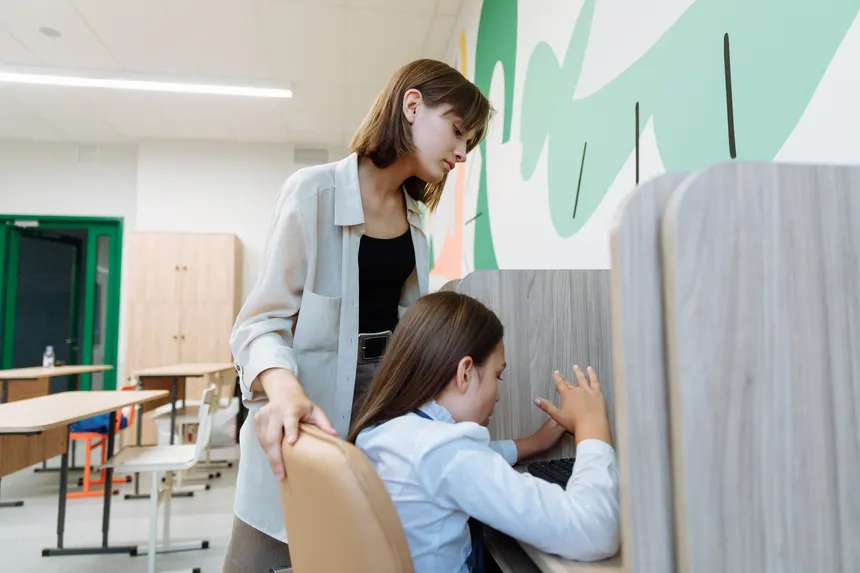
Teaching English abroad is so much more than just lessons and grammar. It’s stepping into someone else’s daily life - their school, their rules, their little rituals. The first time I walked into a class in Hangzhou, every student stood up and greeted me all at once. Totally took me by surprise. In Spain, it was pretty much the opposite: zero standing, but plenty of chat at the start of every lesson. That's culture shock for you. Classroom culture can throw you for a loop, so here’s what’s worth sussing out before you start:- How do teachers get addressed? (First name? Last? ‘Teacher’?)
- Is timekeeping strict or should you expect a little ‘flexibility’?
- Learn some basic greetings and everyday classroom phrases in the local lingo
- Check how much students talk versus listen (it can really vary)
- Take note of any touchy topics or local dos and don’ts (like physical contact or gift-giving)
Worried about fitting in? Everyone is, honestly. Every teacher I know has at least one slightly embarrassing or funny story (bowing too low in Korea, getting an unexpected hug in Spain - okay, that one was me). Best thing you can do is laugh it off and learn. Local teachers are usually really generous with tips and advice - just ask."The most successful TEFL teachers are those who arrive with open minds and a willingness to adapt. Respect for the host culture goes a long way in building trust with students and colleagues."
- Priya Patel, Senior Placement Advisor, UK TEFL Institute
Expert Insights: What Experienced TEFL Teachers Wish They Had Packed
Over the years, I’ve heard so many stories from TEFL teachers, and, to be fair, everyone forgets something. Sometimes it’s a comfort thing (like a certain brand of tea), other times it’s something that’s actually essential for teaching. A recent survey with UK TEFL Institute grads showed 62% wished they’d packed more British snacks or comfort food, and almost half regretted not scanning their documents before flying out. Want to know the item I hear about the most? Power banks. In places with dodgy electricity, you’ll be glad you brought a good one.A few honest gems I’ve collected:"I’d give anything to have packed more English storybooks and a spare phone charger. I didn’t realise how tricky it would be to find the basics in my rural Thai town!"
- James T., TEFL Teacher, Thailand
- “I missed Marmite more than my family.” (No judgement here, honestly.)
- “That lightweight raincoat was a lifesaver during Vietnam’s rainy season.”
- “Bring a hard copy of your CV and teaching references. Some employers still expect to see paper.”
"You can buy almost anything abroad, but nothing beats the feeling of unpacking something familiar on your first night in a new country."
- Sarah L., TEFL Teacher, South Korea
Staying Organised: Managing Documents, Health, and Finances for TEFL Abroad
Being organised isn’t exactly glamorous, but, wow, does it save your skin - especially when you’re faced with paperwork or an official who doesn’t speak English. Once, in China, I lost a whole afternoon at the police station because I’d left my registration slip in my hostel room. Not my finest hour. Here’s your hit list before you go:- Visas: Check (and double-check) the requirements and expiry dates. Some places want you to register as soon as you arrive.
- Health: Book vaccinations, copy your scripts, and pack a basic medical kit. Make sure your insurance will actually cover you abroad.
- Finances: Set up online banking, warn your bank about your move, and check the best ways to move money internationally.
- Emergency contacts: Make a list for both home and overseas, including your embassy.
- Digital backups: Keep your most important documents saved safely online.
Start Your TEFL Journey Prepared: Next Steps for a Successful Experience
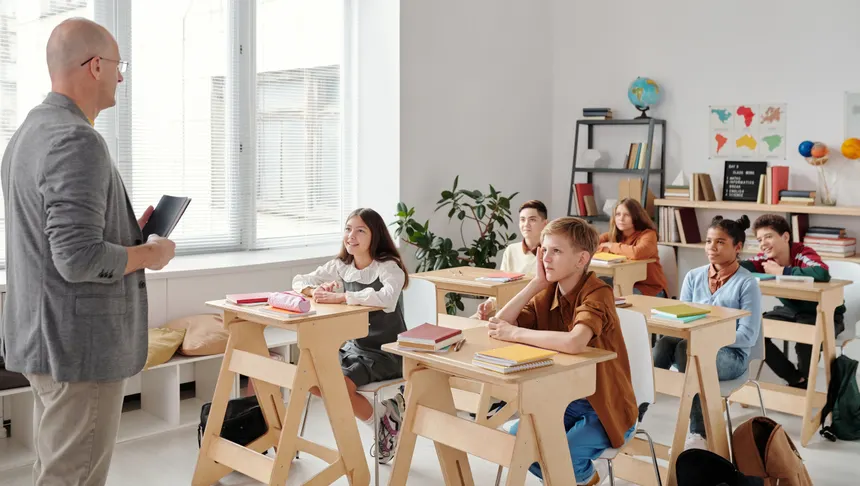
Getting ready for your first TEFL job is genuinely a mash-up of excitement, nerves, and one huge to-do list. But you’re not alone in this. At UK TEFL Institute, we’re all about supporting new teachers at every stage - whether it’s picking out the best course or prepping for your first class. From what I’ve seen, the teachers who arrive as organised, curious, and flexible as possible are the ones who end up with the best stories and longest-lasting friendships. It really does make a difference. And if you’re feeling a bit anxious, just remember - every experienced teacher started out feeling exactly the same way. Well, actually... probably even more nervous than you.Ready to take the next step? Have a look at our course packages, or chat with our placement team for some proper guidance. There’s a huge need for great teachers out there - and with a bit of smart prep, you’ll be one of them."Preparation is half the battle. The rest is being ready to laugh at your mistakes, learn from them, and make the most of every opportunity."
- Emma Chen, International Placement Coordinator, UK TEFL Institute
Emma specialises in helping TEFL graduates find rewarding teaching positions worldwide. With a network spanning 40+ countries and personal teaching experience in China, South Korea, and Spain, she provides invaluable guidance for career starters.