

Understanding Classroom Dynamics in TEFL Settings
So, you’re about to walk into your first classroom overseas? Trust me, you’re in for a real adventure. I still remember my first teaching gig in Xi’an, China: thirty kids staring at me, waiting for something amazing to happen. Or at the very least, hoping I wouldn’t bore them to tears. Was I nervous? Absolutely. But that jittery mix of nerves and excitement is honestly part of the experience. But there’s a lot more going on in TEFL classrooms than just English lessons. Think of them as tiny societies, with their own unwritten rules, shaped by local culture, school traditions, and all sorts of student-to-student relationships. For example, when I taught teenagers in Madrid, it hit me fast that my tried-and-true British classroom tricks didn’t really land. Spanish students? They wanted a buzz of energy and lots of chat. Compare that to my classes in Korea, where students preferred a calm, respectful vibe.- Students might see the teacher’s role very differently to what you’re used to.
- Discipline isn’t just about school policies - local culture always shines through.
- Even how the desks are arranged (rows or groups, for instance) tells you a lot about priorities.
- Non-verbal communication is huge. In some countries, a thumbs-up is a win. Somewhere else, it could leave your students scratching their heads or even take offence.
Comparing Classroom Management Styles Across Countries
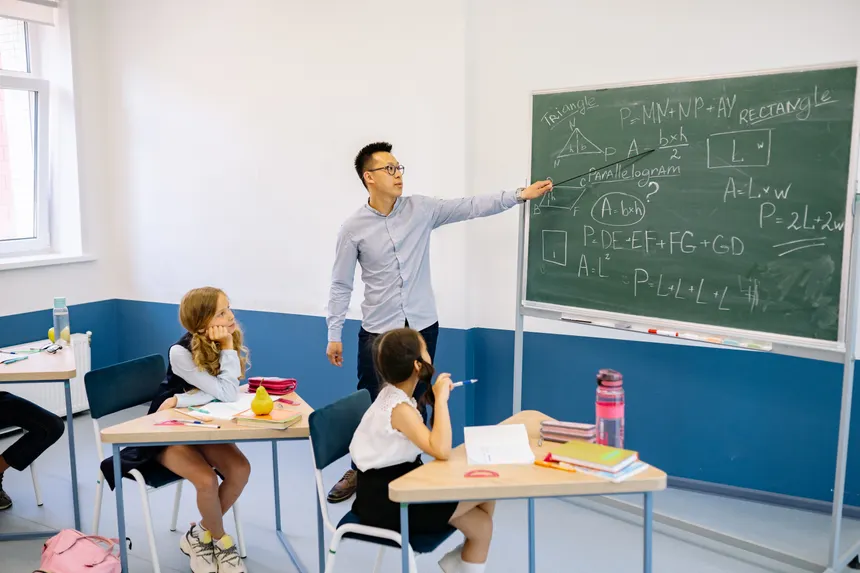
Let’s be real: classroom management isn’t the same everywhere. You might have to totally flip your style depending on where you are. I know teachers who’ve bounced between different countries (okay, I’m one of them) - and honestly, what gets respect in one place can draw blank stares or even chaos in another. Take South Korea, for example. When I was teaching there, students always stood up when I entered, and challenging the teacher just didn’t happen much. Then I moved to Spain. Suddenly, my classes were wild and full of laughter, with students negotiating every rule and chatting non-stop. One afternoon in Seville, I saw a local teacher defuse a heated moment with a perfectly timed joke. In my Korean school, that would’ve been a no-go. So what should you actually expect? Here’s a snapshot comparing a few popular TEFL destinations:| Country | Classroom Management Style | Typical Student Behaviour |
|---|---|---|
| South Korea | Formal, hierarchical, respect for authority | Quiet, attentive, rarely challenge the teacher |
| Spain | Informal, relationship-driven, flexible rules | Talkative, expressive, comfortable with debate |
| China | Structured, group-focused, teacher-centred | Obedient, competitive, value group harmony |
| Thailand | Relaxed, friendly, avoid confrontation | Respectful, sometimes shy, respond to praise |
| Saudi Arabia | Traditional, clear boundaries, gender-segregated | Formal, may be reluctant to participate openly |
Building Rapport and Setting Expectations Early
From my experience, the first few days with your class are gold. They really set the mood for everything else. Back when I started in Busan, I made it my mission to learn every student’s name by the end of week one. Not easy, trust me (especially when you’re juggling a list of 120 names!), but absolutely worth it. Students could tell I was making the effort, and they usually gave it back. So, how do you build a real connection and set out your expectations from day one?- Say hi to each student as they walk in. It takes no time, but works wonders.
- Share a bit of yourself - where you’re from, hobbies, even your own language learning struggles. Makes you more relatable.
- Stick to your word. If you say you’ll start at 9:00, start at 9:00. Students do notice.
- Be super clear about what you expect. Show what good participation actually looks like in your lessons.
- Get them involved. Where possible, let students help create the classroom rules. It boosts buy-in, trust me.
- If someone’s really not getting it or seems withdrawn, have a quiet word after class instead of calling them out in front of everyone.
- Start with a fun fact or story about yourself.
- Agree on 3-5 key classroom rules, and keep them straightforward and positive.
- Use pictures or gestures to show your expectations, especially for beginners.
- Explain what happens if rules get broken - calmly, no drama.
- Make sure everyone understands - have them say the rules back or explain them in their own words.
Effective Techniques for Handling Disruptive Behaviour
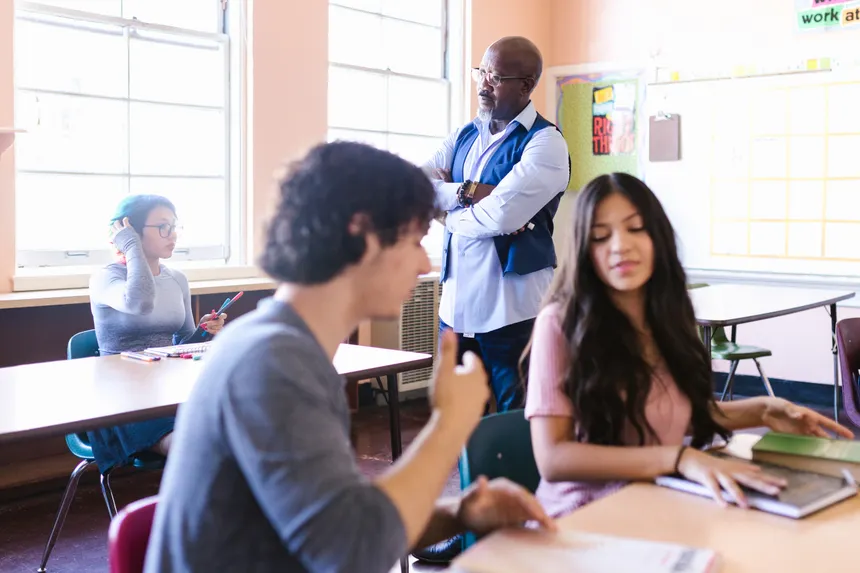
Let’s face it: no lesson plan survives perfectly. There will always be a student (or three) who wants to test the limits. Once, in Shanghai, I had a kid who made it his mission to outwit my every instruction, all while grinning cheekily. It was a challenge, for sure. But, well, ignoring the antics almost never worked. Tackling it respectfully usually did. So, what actually helps when things start to unravel?- Keep your cool. How you react often decides if things escalate or settle down.
- Try non-verbal cues first. A pause, strong eye contact, or moving a bit closer can do wonders.
- Re-focus the class - like, “Let’s tackle this together” instead of embarrassing anyone.
- Deal with repeat troublemakers quietly after class. No need to make a scene for the whole group.
- Have simple, predictable consequences lined up for repeated trouble, and stick to them.
- Teach simple signals or hand gestures for quiet or attention early on.
- Defuse awkward moments with humour, but skip the sarcasm - tone doesn’t always translate.
- Give students little jobs, like timekeeper or group leader, to keep them invested in good behaviour.
- If you model respect and positivity, students are much more likely to follow your example.
- Okay, that’s not entirely true - sometimes you do everything “by the book” and still get chaos. Every class is different. What works in Bangkok with eight-year-olds might flop in a Prague adult class.
Expert Advice on Maintaining Student Engagement
Here’s where the magic really happens: when students perk up and actually want to join in. I still remember this one lesson in Valencia. My class of half-asleep teens suddenly turned into a sea of volunteers, all desperate to win a super-silly team game I’d just invented. Sometimes, engagement is about the little tweaks. But how do you keep students involved when language barriers, cultural quirks, or tiredness threaten to derail your plans? I asked around in the UK TEFL Institute network for some of the best hacks."Keeping students engaged is about variety and relevance. Change the pace, use visual prompts, and connect lessons to their real lives - it works in every country I’ve taught in."
- Sarah Williams, Senior TEFL Trainer, UK TEFL Institute
- Mix in fast games or classroom challenges to split up longer lessons.
- Bring in multimedia - songs, videos, quirky objects. They love it.
- Swap between group, pair, and solo tasks so everyone gets a go.
- Tie your lesson to local events or student interests.
- Keep your instructions super clear, especially with beginners.
The Role of Positive Reinforcement and Feedback
I’m not exaggerating when I say a simple “Well done!” or a sticker has changed the whole mood of a class. It sounds basic, but backing students up with positive feedback isn’t just about being nice - it’s genuinely rooted in research. Did you know students who get regular, clear praise remember more, and join in more often? One British Council survey found that over 70 percent of TEFL teachers saw better classroom behaviour when they made a habit of positive reinforcement. But what kind of feedback actually helps? If you only say “good job!” all day, it gets old fast. Instead, be specific: “I really liked how you used that new word,” or “Nice work checking in with your group.” It shows them exactly what you want to see again."Positive reinforcement builds confidence, especially in language classrooms where students are naturally anxious about making mistakes. The key is to focus on effort and improvement, not just correct answers."
- Dr. Helen Fox, Applied Linguistics Lecturer
- Celebreate the tiny wins - even if it’s just a shy student speaking up for once or nicely-done homework.
- Mix up your rewards: shout-outs, stickers, points, or a ‘star student’ list.
- Pair praise with honest suggestions. Give corrections privately and stay solution-focused.
- Let students give feedback too. Teaching them to encourage one another builds a great class vibe.

Utilising Technology for Better Classroom Management
Back when I started out, “classroom tech” meant a half-working CD player. Now? So many apps, gadgets, and tools, it can be a bit much. But if you choose wisely, technology can save you time, boost engagement, and actually make classroom management simpler. Technology isn’t just about flashy slides. When used thoughtfully, it helps you keep routines running, track who’s joining in, and give fast feedback. Here are a few tools that honestly changed my day-to-day (and helped a lot of teachers I’ve worked with):- Interactive whiteboards: perfect for kids who learn visually or for group brainstorming.
- Apps like ClassDojo for tracking behaviour and rewarding positive moves.
- Online timers keep things moving and make activity switches smooth - honestly, a life-saver in big classes.
- Polls and mini quizzes: handy for quick checks and sparking a fun bit of competition.
- Digital flashcards or games: make review sessions way more fun (and memorable).
Start Your TEFL Journey with Confidence and Support
Starting your TEFL journey abroad is a big leap. It can feel like a lot, but you don’t have to figure it all out alone. From what I’ve seen, the teachers who thrive are the ones who reach out, share their wins (and those facepalm moments), and never stop learning.So, whether it’s Asia, Europe, or the Middle East you’re headed for, just remember: every classroom is a fresh start. Bring your own spark. Stay open to the local way of doing things. Try out the tips above, and give yourself space to find what fits your style. And if you ever want a bit more support or advice about placements, just check our UK TEFL Institute website. Our courses, support packages, and placement help are all designed to make your TEFL dreams feel a whole lot more doable. Most important of all: enjoy it! Classroom management isn’t really about ticking off a list perfectly - it’s about growing, adapting, and discovering what works for you and your students. Sometimes, the best classes are the ones you couldn’t have planned for if you tried."Investing in quality training and ongoing support is the single best way to build your confidence and classroom management skills. The right foundation helps you adapt, thrive, and truly enjoy teaching abroad."
- Mark Simmons, Placement Advisor, UK TEFL Institute
Emma specialises in helping TEFL graduates find rewarding teaching positions worldwide. With a network spanning 40+ countries and personal teaching experience in China, South Korea, and Spain, she provides invaluable guidance for career starters.