

Understanding Cultural Sensitivity in TEFL
Cultural sensitivity. You’ve probably heard it mentioned in just about every teacher training session, but what’s it actually mean when you’re standing in front of a class in Hanoi, Seville, or Manchester? To put it simply, cultural sensitivity is about being aware of, understanding, and respecting the differences and beliefs that shape how people see the world. In the TEFL classroom, honestly, it’s what separates a lesson that puts up walls from one that opens doors. I still remember my first week ever teaching in Istanbul. I thought I’d planned out a top-notch lesson about British holidays. Then, half my students stared at me in disbelief when I mentioned Halloween - they found it pretty bizarre, some even said it wasn’t appropriate. That taught me a lot. The TEFL classroom is a real melting pot. You might have learners from all sorts of cultures, religions, or backgrounds. What cracks one person up might really offend another. And let’s be real, as teachers, we’re not just there to model language - we end up as cultural ambassadors too, whether we meant to sign up for that or not. Why does cultural sensitivity matter in TEFL? Here’s what’s at stake for both teachers and learners:- Reduces misunderstandings: Fewer awkward moments, fewer conflicts. Less confusion all round.
- Builds trust: When students feel respected, they’re much more likely to join in and take chances.
- Improves engagement: Lessons and materials feel relevant and accessible whoever’s in the class.
- Prevents stereotyping: You focus on the individuals, not lazy assumptions.
- Prepares students for real-world communication: English is spoken all over, so students need to navigate different cultures, not just grammar.

Common Cultural Challenges for TEFL Teachers
Any TEFL teacher who’s been abroad even a few weeks will have a story or two about a lesson that went sideways because of a cultural hiccup. In all honesty, even with the best intentions, it happens. Sometimes it’s subtle. And sometimes, it can stop a lesson in its tracks. Here are some of the most common cultural challenges I’ve come across (and, to be fair, tripped over myself):- Taboo subjects: Stuff like religion, politics, relationships, and even food can trigger strong reactions, depending on your school or your group of students.
- Role of the teacher: In the UK, a bit of banter is normal. Elsewhere, students might want their teacher to be much more formal and even distant. Get this wrong, and you can lose their respect in a flash.
- Body language and gestures: A thumbs-up is harmless in some countries, offensive in others. I remember beckoning a student with my palm up in Seoul and suddenly feeling the room freeze - turns out, that’s considered rude there!
- Expectations about participation: Some students are used to listening quietly, others expect to be chatting in groups. Push students too far from what they’re used to and things can backfire fast.
- Attitudes to error correction: For some, mistakes are just part of learning. For others, especially if they’re embarrassed easily in front of classmates, it can really knock their confidence.
Comparing Approaches to Cultural Sensitivity in Different Countries
Every classroom is its own little world. How you approach cultural sensitivity in a high school in Tokyo is going to be completely different from running a summer camp in Rome, or a business English group in Dubai. I’ve lost count of how many times I’ve seen something work brilliantly in one country, then fall flat - or even offend - somewhere else. To give you a clearer idea, here’s a quick look at how cultural sensitivity plays out in some popular TEFL spots:| Country | Approach to Cultural Sensitivity | Common Classroom Practices |
|---|---|---|
| Japan | High emphasis on respect and hierarchy; indirect communication | Formal teacher-student relationships; avoiding direct criticism; group harmony valued |
| Spain | More informal; open discussion of diverse topics but family and tradition respected | Interactive lessons; relaxed classroom atmosphere; humour welcomed |
| Saudi Arabia | Strict boundaries on gender, religion, and dress; sensitivity to Islamic traditions | Single-gender classes; topics like alcohol or relationships avoided; teacher authority respected |
| Thailand | Emphasis on saving face; politeness; avoidance of confrontation | Gentle error correction; praise over criticism; group activities encouraged |
| Brazil | Warm, expressive communication; openness to sharing personal stories | Student participation encouraged; lively debates; humour and informality common |
Practical Tips for Creating an Inclusive TEFL Classroom
So, how do you actually put cultural sensitivity into action? It’s easy enough to agree in a training session, but making an inclusive, respectful classroom happen is another matter. Over the years - from wrangling young learners in Hanoi to working with business professionals in Milan - I’ve figured out a few tricks that genuinely help.- Start with a cultural ‘getting to know you’ activity: Try a simple questionnaire about students’ traditions, festivals, or favourite foods. Makes it clear from the start that everyone’s background counts.
- Use diverse materials: Don’t just stick to British or American stuff - choose reading texts and images that show all sorts of backgrounds.
- Let students teach you: Give them the floor to share bits of their own cultures. I’ve honestly learned more about Eid, Lunar New Year, and Brazilian carnival from my students than from any book.
- Set ground rules together: Talk about what respect looks like, then build your classroom rules with input from the students. They’re way more likely to stick.
- Be open about your own culture: Talk about your customs, but also admit when you’re not sure. A bit of humility really goes a long way.
- Watch group dynamics: Notice if someone’s always left out or ignored. Step in gently when needed.
- Adapt on the fly: If an activity falls flat or makes students uncomfortable, don’t be afraid to switch things up. Flexibility is key.
Avoiding Stereotypes and Bias in Lesson Planning
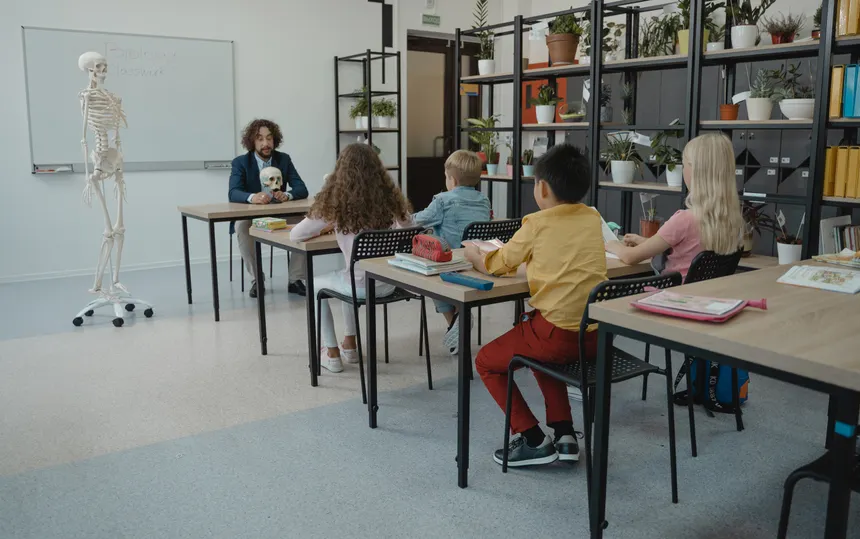
The materials you choose for class send powerful signals to your students. Sometimes, you’re not even aware of the message. I see it all the time: worksheets using only Western names, or readings about “typical” family life that don’t match anyone in the room. That’s where hidden bias creeps in. So how do you dodge stereotypes?- Check your resources: Regularly go through your coursebooks, worksheets and images for hidden assumptions. Are your doctors always men? Are all families the same shape and size?
- Add alternatives: If your core materials are a bit limited, bring in authentic stuff from lots of different cultures and backgrounds.
- Let students have a say: Invite students to suggest topics, or correct any mistakes about their own cultures. They’re usually more than happy to set you straight!
- Be careful with ‘culture lessons’: Try not to present any culture - including your own, to be fair - as if it’s all the same everywhere.
- Think before you joke: Some humour just doesn’t translate, or worse, it might offend. If you’re not sure, test it out first.
Expert Insights: The Impact of Cultural Sensitivity on Student Success
There’s a growing pile of research (plus loads of real classroom stories) showing that cultural sensitivity isn’t just a “nice extra” - it’s something you’ll see in your students’ actual progress. I saw it firsthand as a British Council examiner in Madrid. The classes where teachers genuinely made space for every background were the very classrooms where students were braver, spoke more, and - in the end - got better results. What are the experts saying about it all?A TESOL International survey in 2022 found that 78% of teachers who made cultural awareness a priority in their classrooms saw more student engagement and satisfaction. Even more impressive, students in those classes moved up CEFR levels about 20% faster on average than their peers in more “neutral” environments."Cultural sensitivity is not an optional extra in language teaching. It is central to building the trust and confidence learners need to use English meaningfully."
- Dr. Helen McCarthy, University of Birmingham
It’s not just about test scores or ticking boxes for attendance. In classes where teachers care about cultural sensitivity, students say they feel safer, aren’t as afraid of making mistakes, and are way more likely to use English outside the classroom. And at the end of the day, that’s what we’re really after, isn’t it?"When students see themselves reflected in classroom materials and feel their voices matter, their motivation soars. That’s when real learning takes place."
- Mark Evans, Senior Trainer, UK TEFL Institute
Voices from the Field: Real Experiences in Culturally Diverse Classrooms
No amount of theory or reading will prepare you for every situation. Sometimes you just have to dive in and learn as you go. Over the years, I’ve heard so many stories from teachers all over the world - and had plenty of “learning moments” myself. In Jakarta, I watched a new teacher’s Valentine’s Day lesson fall flat - he didn’t realise it wouldn’t go down well in that school’s culture. The students kept quiet, stopped joining in. After talking to local staff, he switched the topic to global friendship traditions. The difference was immediate. A colleague at UK TEFL Institute told me about her class in Poland, where students hardly spoke up - they’d been taught that mistakes were something to be ashamed of. She started using anonymous error correction and set up group tasks so no one felt singled out. Gradually, more students took part and their confidence shot up.You’d be surprised how common these stories are. They’re just part of daily life in TEFL. The teachers who do best are the ones who see cultural sensitivity not as some extra headache, but as a real chance to connect and learn more themselves."The best thing I ever did was to ask my students what topics made them uncomfortable, and then genuinely listen. I realised I’d been unintentionally excluding some of them. Now, my lessons are so much richer."
- Lucy Grant, EFL Teacher, Warsaw
Start Your TEFL Journey with Confidence in Cultural Sensitivity
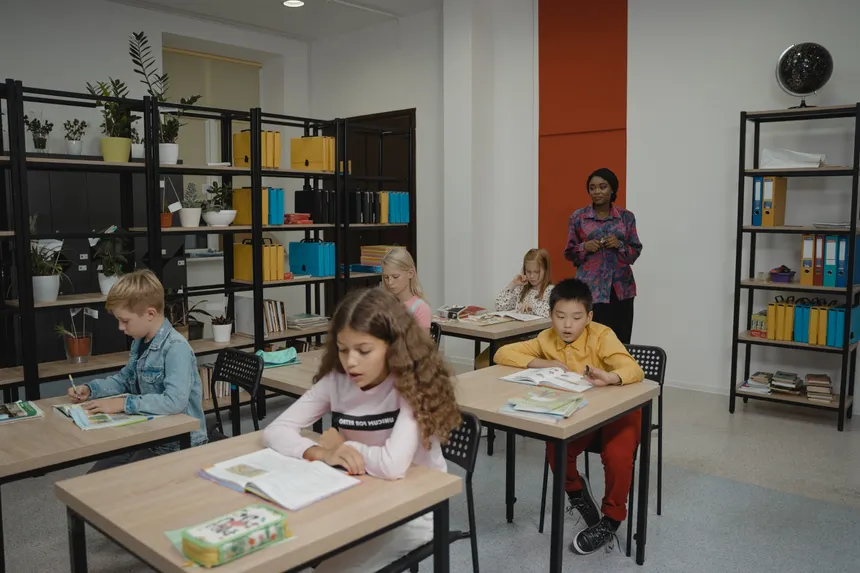
If there’s one thing I’ve learned after more than a decade in TEFL, it’s that cultural sensitivity isn’t something you’re born with. You build it up lesson by lesson, class by class. Every group of learners will teach you something new. The trick is staying curious, staying humble, and being ready to change your approach. Here at the UK TEFL Institute, we weave cultural awareness through all our courses. Our trainees don’t just learn how to teach English - they learn how to build classrooms where everyone feels they belong, and every background is respected. From what I’ve seen, it’s not just about sidestepping problems. It makes teaching more effective, more rewarding, and frankly, just a lot more fun. If you’re keen to teach English and make yourself stand out in the international job market, go for training that really puts cultural sensitivity at its heart. Ask if there are practical modules, real-life case studies, and time to reflect on your own assumptions. And don’t stop learning once your course is done. Get feedback from your students, talk to colleagues, involve the wider community. Keep asking questions. Keep on challenging yourself. Ready for your next step? Check out our accredited courses and course packages. The world needs teachers who know that teaching English is about so much more than grammar and vocabulary - it’s about building bridges across cultures, and making every student feel right at home in your class.James has been involved in TEFL training for over 12 years. A Cambridge CELTA trainer and former British Council examiner, he ensures our courses meet the highest international standards while remaining accessible to aspiring teachers worldwide.